What Are Deep Groove Ball Bearings?
If you work with rotating machinery, you have encountered single row deep groove ball bearings. They are the most widely used rolling bearings in the world because they solve a fundamental engineering problem: keeping shafts spinning smoothly under various force combinations. As a dedicated ball bearing manufacturer, we design these components to be the ultimate workhorse for modern machinery.
Core Design and Structure
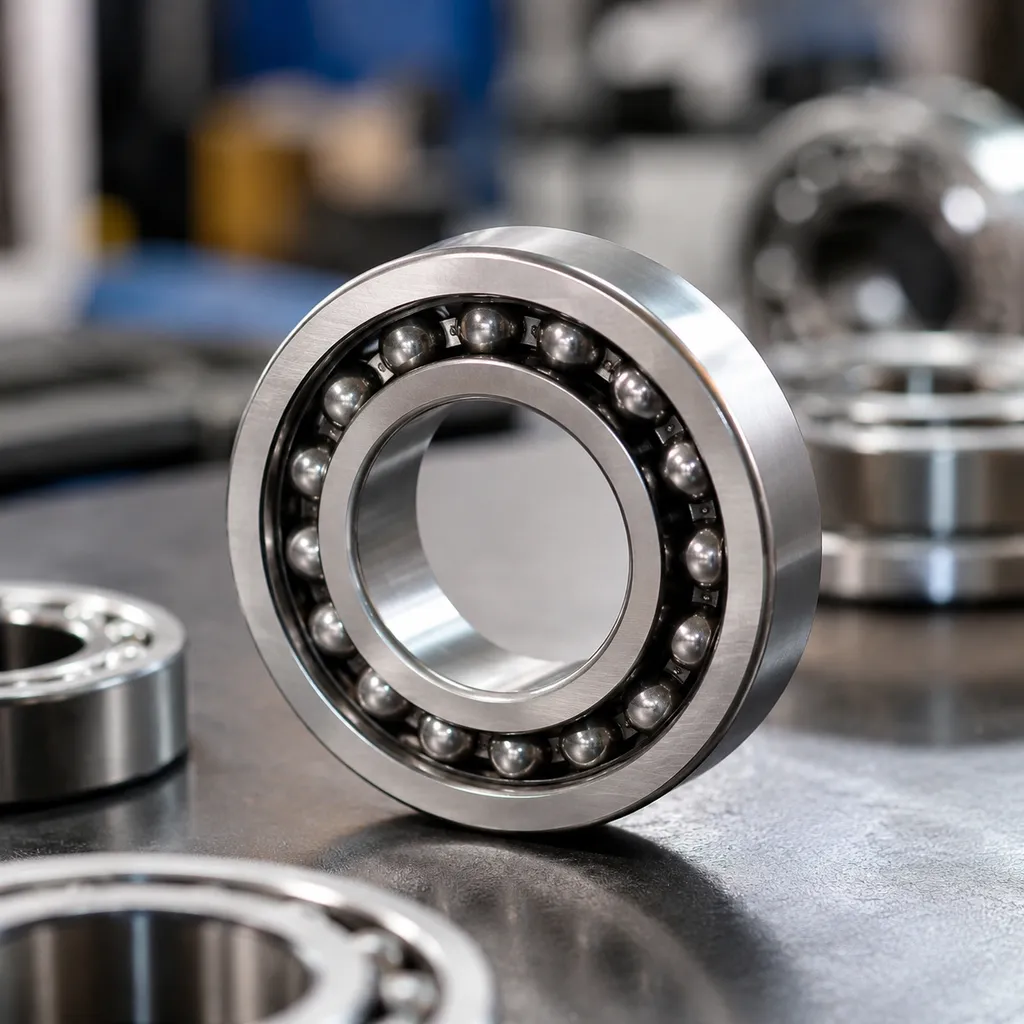
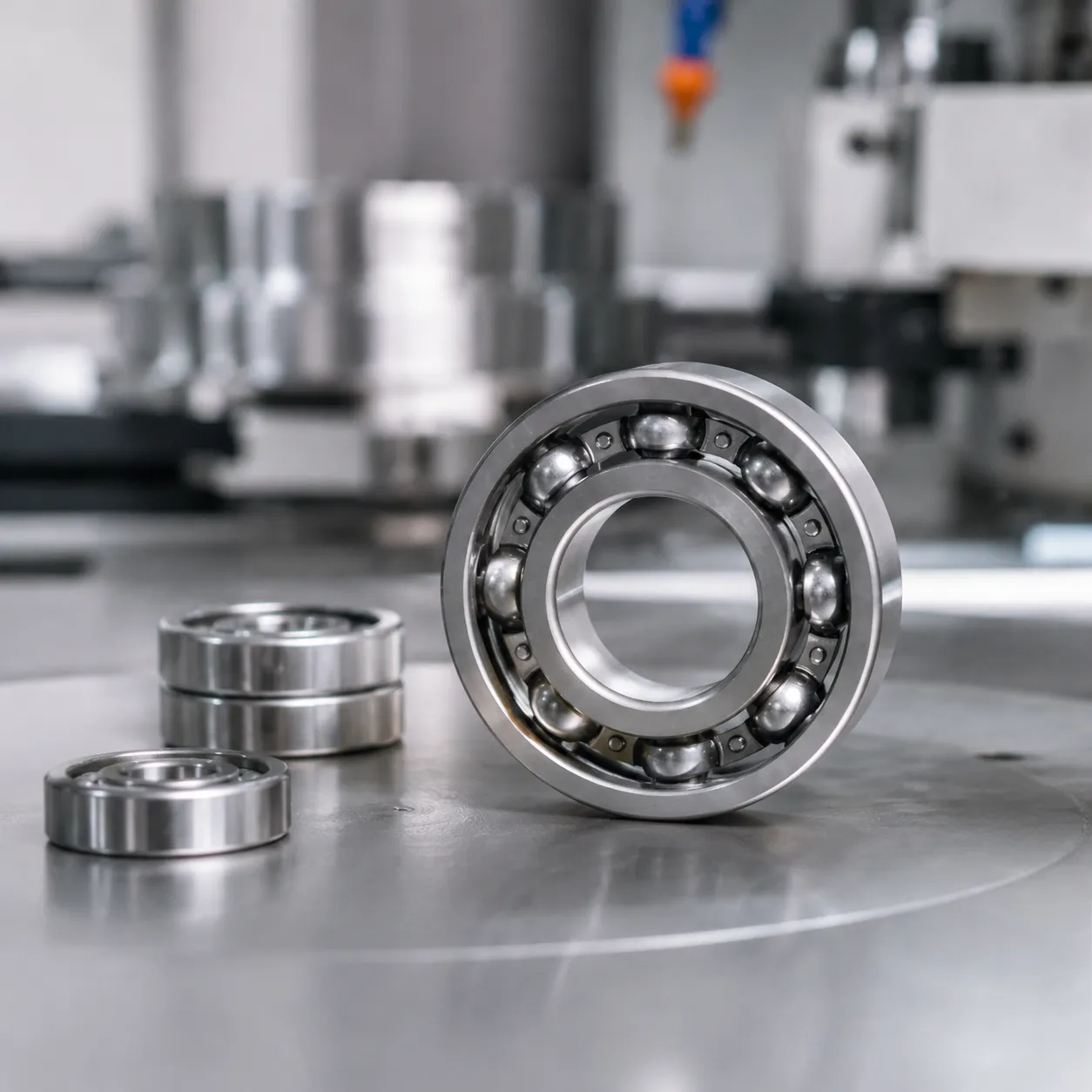
We manufacture the inner and outer rings with deep, uninterrupted groove arcs that closely match the dimensions of the rolling elements.
This close architectural fit is exactly how do deep groove ball bearings work so efficiently. The deep raceway grooves wrap around the balls, providing exceptional tracking stability even at incredibly high rotational speeds.
Radial Load Capacity and Axial Loads
The primary job of these bearings is supporting a radial load capacity perpendicular to the shaft. However, the high conformity between the balls and the deep raceways allows them to handle axial loads (thrust forces parallel to the shaft) in both directions simultaneously.
Unlike specialty thrust bearings, this versatility means you do not need separate components to handle combined forces. They offer a strong high load carrying capacity relative to their compact size, though they are not designed to handle heavy tilting moments on their own.
[ Outer Ring ]
--------------------
( Balls & Raceways )
Handles Radial &
Axial Loads
--------------------
[ Inner Ring ]
Four Key Components
Every high-quality sealed deep groove ball bearing or open variant relies on four essential structural parts made from premium bearing steel:
- Outer Ring: Mounts directly into the housing structure, featuring the precision-ground outer raceway.
- Inner Ring: Fits tightly onto the rotating shaft, engineered for low friction torque and precise clearance control.
- Balls: High-precision spherical rolling elements that distribute the load across the track.
- Cage (Retainer): Separates the balls to prevent friction, guides them through the load zone, and reduces overall operating costs by minimizing heat buildup.
Top Advantages of Deep Groove Ball Bearings
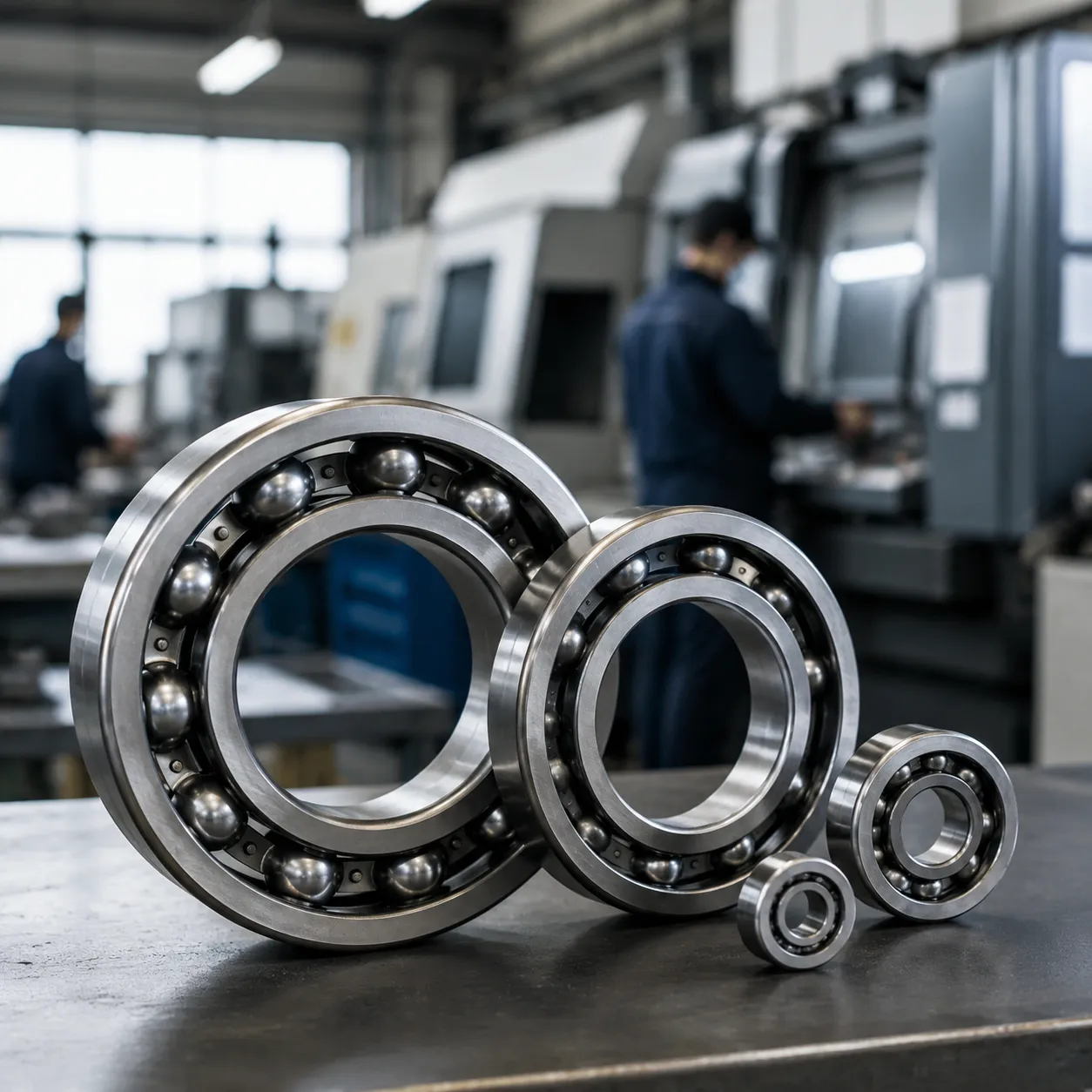
When choosing the right rolling bearings for your equipment, the advantages of deep groove ball bearings make them the undisputed industry standard. As a leading ball bearings manufacturer and supplier, we engineer these components to deliver unmatched reliability, optimizing equipment efficiency while dropping your overall operating costs.
High-Speed Performance and Low Friction
These bearings are built for high-speed applications. The precise geometry of the raceways and rolling elements minimizes the contact area, which yields low friction torque. This reduction in friction prevents heat buildup, allowing machinery to maintain high rotational speeds safely and efficiently while ensuring lower noise and low vibration.
Exceptional Durability and Long Service Life
Made from premium quality bearing steel, our deep groove ball bearings are engineered to handle both heavy radial loads and moderate axial loads. Their robust design provides a high load carrying capacity, allowing them to resist wear and fatigue over millions of revolutions under harsh operational conditions.
Low Maintenance Requirements
Because these bearings have a simplified structural design and come in optimized shielded or sealed variants, they retain clean grease effectively and keep contaminants out. This translates directly to minimal maintenance and significant long-term cost savings.
Cost-Effective Manufacturing and Affordability
Because single row deep groove bearings are the most highly produced bearing type globally, the production process is incredibly streamlined. This mass-production efficiency allows us to offer the best deep groove ball bearings at a highly competitive price point, making them the most budget-friendly choice for both small-scale projects and high-volume industrial builds.
Core Benefits at a Glance
| Key Feature | Engineering Benefit | Operational Impact |
|---|---|---|
| Optimized Raceway Geometry | Low friction & low vibration | High-speed capabilities |
| Premium Bearing Steel | High load carrying capacity | Unmatched reliability & long life |
| Shielded/Sealed Options | Excellent lubricant retention | Low maintenance costs |
| Streamlined Production | High availability | Maximum cost savings |
Versatile Applications Across Industries
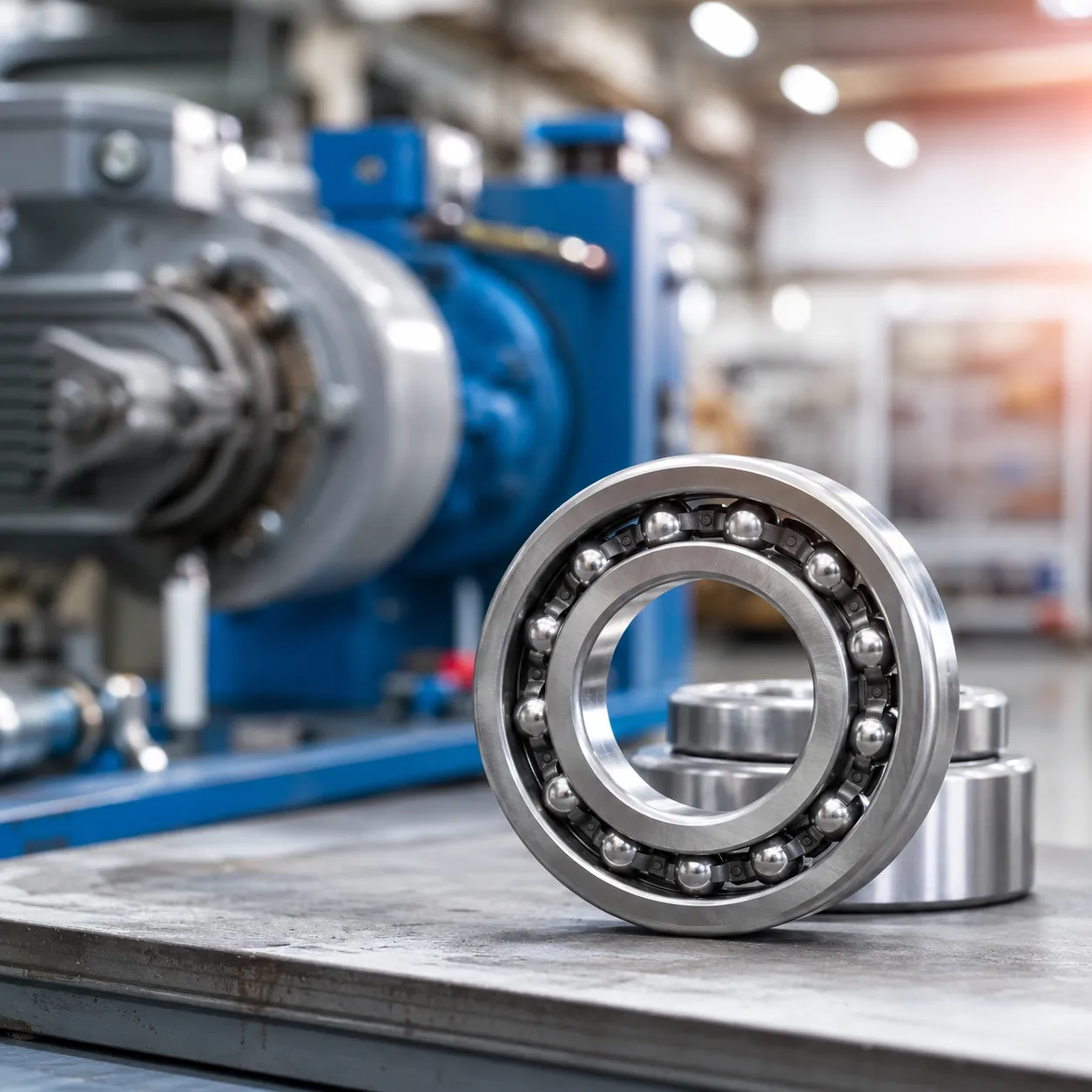
Deep groove ball bearings are the true workhorses of modern manufacturing. Because they excel at reducing friction while supporting both radial and axial loads, you can find them in almost every moving mechanism. As a leading manufacturer, we design these components to maximize equipment efficiency and slash operating costs across several major sectors.
Electric Motors and Household Appliances
In the consumer and commercial goods space, silence and smooth operation are everything. Deep groove ball bearings are the go-to choice for electric motors and everyday household appliances like washing machines, vacuum cleaners, and air conditioners.
- Lower noise and vibration: Precision manufacturing ensures whisper-quiet performance.
- High-speed capabilities: They easily handle high rotational speeds without overheating.
- Energy efficiency: Low friction torque means appliances draw less power.
Automotive Industry Reliability
From daily drivers to heavy-duty trucks, the automotive sector relies heavily on single row deep groove ball bearings to keep vehicles moving safely. They offer unmatched reliability under harsh under-hood conditions.
- Alternators and starters: Managing constant high speeds and thermal cycling.
- Gearboxes and transmissions: Supporting critical radial loads and thrust forces.
- Wheel hubs and steering columns: Providing smooth handling and long service life.
Industrial Machinery and Automation
In factories and automated production lines, unexpected downtime is a budget killer. We supply high-performance rolling bearings to heavy industrial machinery and robotics to keep production moving 24/7.
| Industry Sector | Typical Application | Key Benefit |
|---|---|---|
| Automation & Robotics | Joint actuators, conveyor rollers | High precision, low maintenance |
| Material Handling | Forklifts, sorting systems | High load carrying capacity |
| Textile & Printing | High-speed spinning spindles, press rollers | Consistent tension, low friction |
How to Choose the Right Deep Groove Ball Bearing
Choosing the right bearing layout comes down to your specific environment, speed, and load demands. As a premium ball bearings manufacturer and supplier, we see firsthand how matching the exact specifications to your project prevents early failure and optimizes equipment efficiency.
Shielded vs. Sealed Options (ZZ vs. 2RS)
The right closure system protects your rolling elements from contamination while retaining the clean grease inside the deep groove ball bearings.
- Shielded (ZZ): Features metal shields that offer low friction torque and support high-speed applications. They keep out larger dust particles without sacrificing high rotational speeds.
- Sealed (2RS): Uses rubber seals for a tight, contact fit. These provide maximum protection against moisture and fine dust, making them a must-have for harsh environments, though they have slightly more speed limitations than shielded variants.
Material Selection
For standard setups, premium chrome steel offers excellent radial load capacity and high load carrying capacity. However, challenging environments require specialized materials.
If your machinery handles wet or corrosive conditions, upgrading to moisture-resistant stainless steel bearings prevents rust and extends service life. For extreme environments involving intense heat, switching to specialized high-temperature ball bearings ensures the assembly won't seize when the temperature spikes. Ceramic options work best for niche applications requiring non-conductive properties and ultra-high speeds.
Matching Load Capacities and Speed Ratings
To achieve unmatched reliability and lower operating costs, always cross-reference your application demands with the bearing’s technical limits:
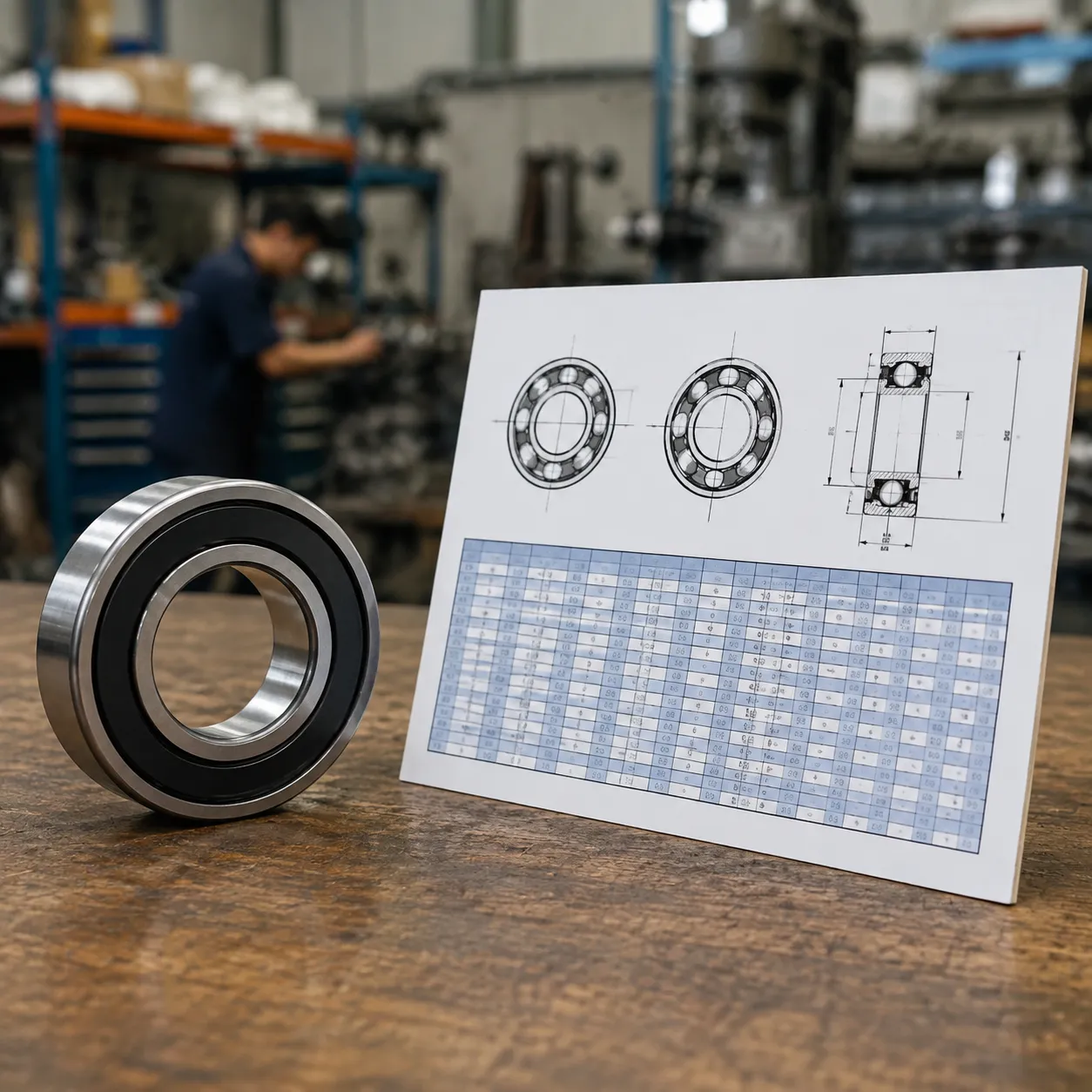
| Selection Factor | Single Row Deep Groove Metric | Application Impact |
|---|---|---|
| Radial Load Capacity | High | Supports the main weight of rotating shafts and housings. |
| Axial Loads | Moderate | Handles thrust loads in both directions, but not heavy moments. |
| High-Speed Capabilities | Excellent | Determines the limit for safe, low-vibration operation. |
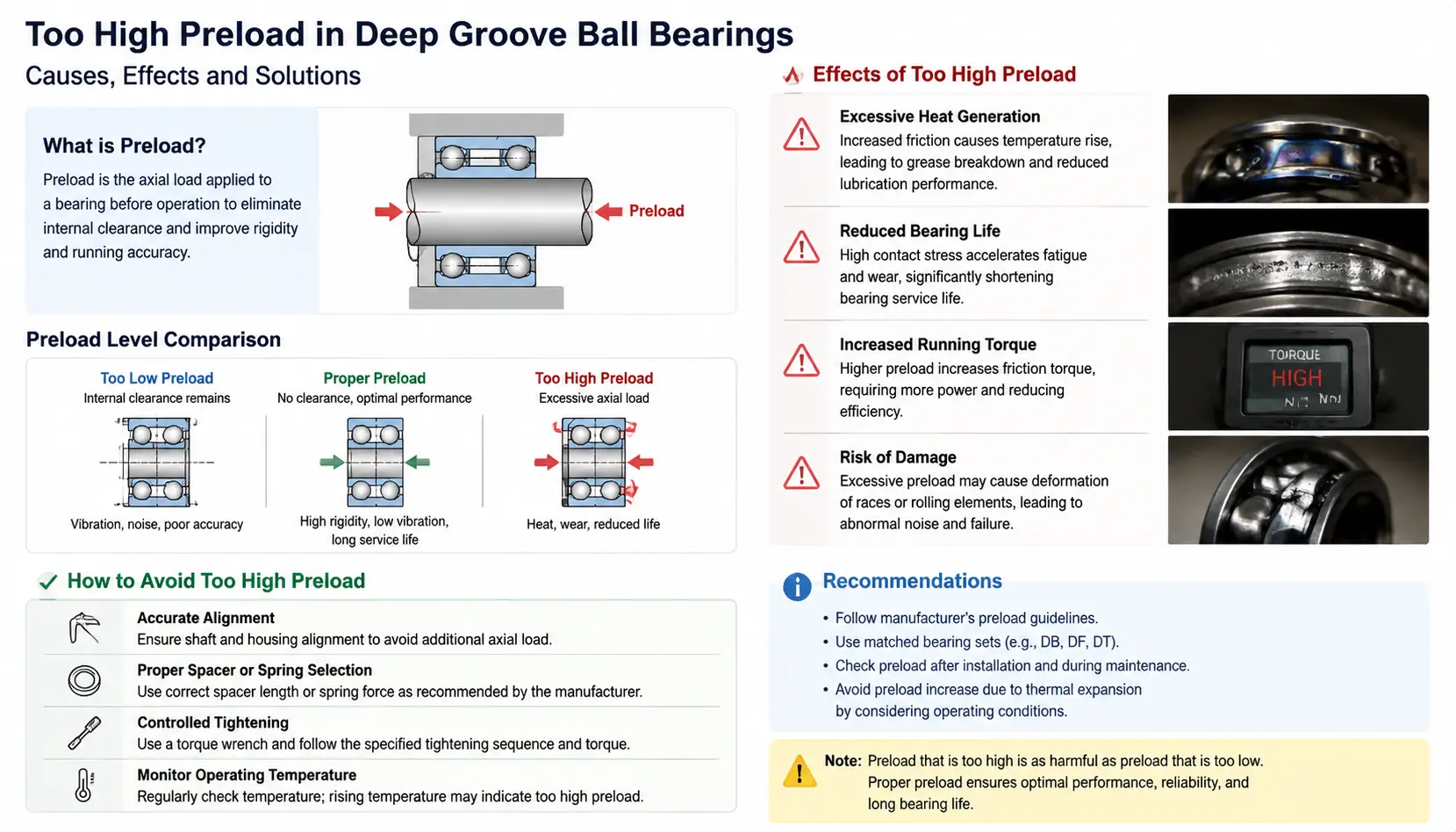
| Preload Needs | Low to None | Do deep groove ball bearings need preload? Generally no, they run fine with normal clearance. |
Troubleshooting and Maintenance Tips
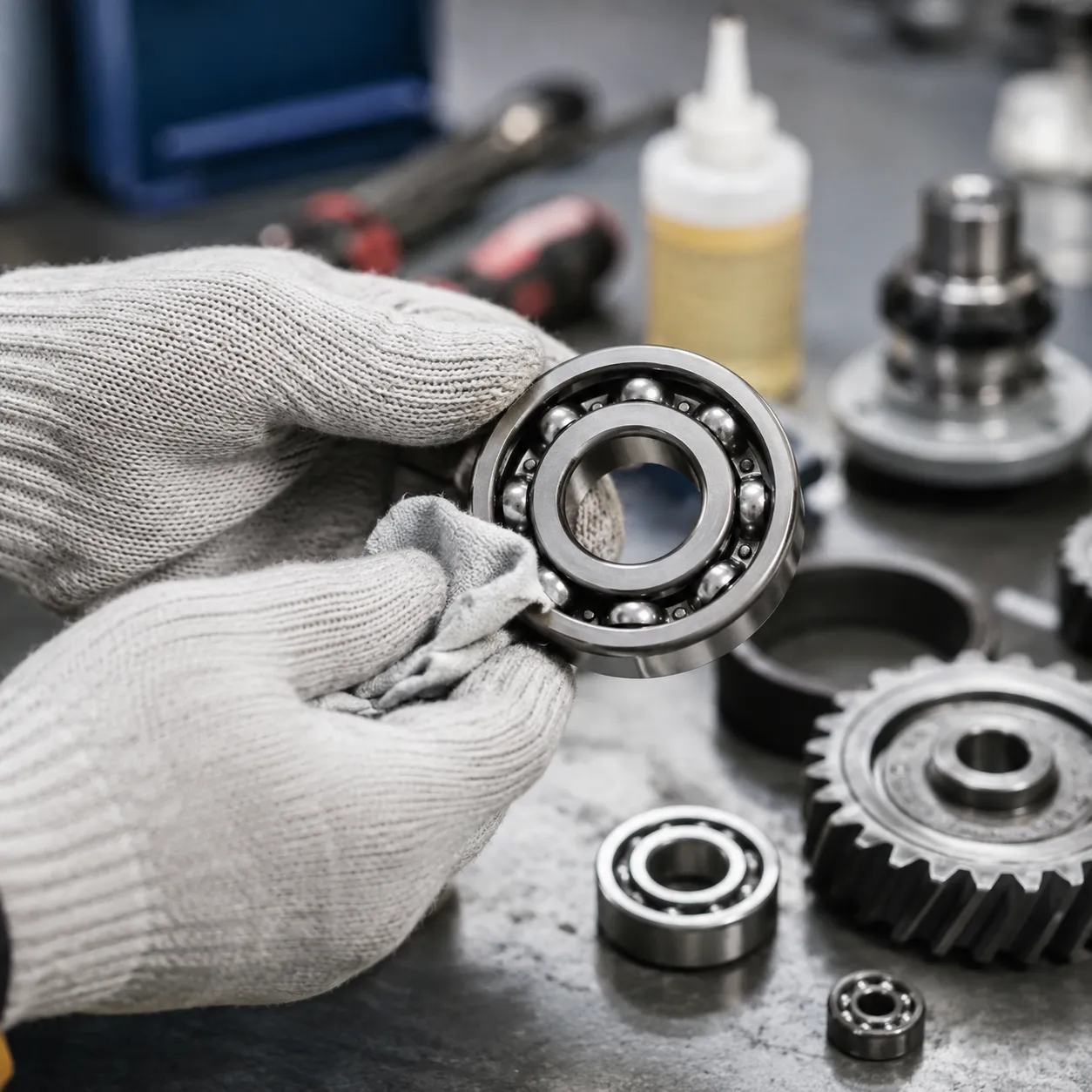
Even the best rolling bearings can run into trouble if they aren't treated right. As ball bearing manufacturers, we see firsthand how proper upkeep directly impacts your equipment efficiency and operating costs. Catching issues early keeps your machines running smoothly and prevents unexpected downtime.
Signs of Premature Bearing Failure
You don't need to be an expert to spot a failing deep groove ball bearing. Keep an eye and ear out for these common warning signs:
- Excessive Noise: A loud grinding, squealing, or clicking sound usually means the rolling elements or inner and outer rings are damaged.
- Increased Vibration: High vibration levels often indicate raceway flaking or geometric defects.
- Unusual Heat: If the bearing housing feels hot to the touch, it is likely experiencing high friction torque from overloading or poor lubrication.
Proper Lubrication to Prevent Overheating
Lubrication is the lifeblood of any high-speed application. It reduces low friction even further and carries heat away from the moving parts.
- Don't Over-Grease: Too much grease causes churning, which spikes the operating temperature and leads to early failure.
- Keep it Clean: Contamination is a leading killer of bearings. If you need to clean grease from deep groove ball bearings without disassembly, use a precise, clean-solvent flush and re-lubricate immediately.
- Match the Specs: Always use the high-quality grease specified for your structural load and high rotational speeds.
Best Practices for Proper Installation
Bad installation ruins a great bearing fast. Misalignment between the shaft and housing creates uneven radial loads and unintended axial loads, forcing the bearing to fail years before its time.
- Use the Right Tools: Never strike the rolling elements or cage directly. Use a proper press sleeve that applies force only to the ring with the interference fit.
- Check Alignment: Ensure the shaft and housing bore are perfectly aligned to avoid putting uneven stress on the single row deep groove setup.
- Know Your Preload: While some applications require a specific setup, most standard deep groove ball bearings do not need preload to function correctly under normal radial load capacity conditions.
If you are working on a specialized project that requires unique components, check out our guide on miniature precision bearings to find the exact fit for high-accuracy applications.
FAQs About Deep Groove Ball Bearings
Deep Groove vs. Angular Contact Bearings
While both are common rolling bearings, they handle forces differently. Single row deep groove bearings excel at managing heavy radial loads with some light bidirectional axial capacity. Angular contact bearings are engineered with a specific contact angle to handle heavy, combined radial and simultaneous, one-direction axial loads.
| Feature | Deep Groove Ball Bearings | Angular Contact Bearings |
|---|---|---|
| Primary Load Type | Heavy radial loads | Combined radial + heavy axial loads |
| Axial Direction | Bidirectional (limited) | Unidirectional |
| High Speed Application | Excellent | Very Good |
| Preload Required | Generally no | Yes, typically needed |
Axial Load Capacity
A standard sealed deep groove ball bearing can typically handle a permissible axial load of up to 10% to 15% of its static radial load rating. Exceeding this threshold increases low friction torque, generates excessive heat, and significantly shortens the operational lifespan of the rolling elements.
Why Bearings Fail Early
Premature bearing failure usually stems from a few avoidable root causes:
- Contamination: Dirt and moisture bypassing the inner and outer rings due to damaged shielded ball bearings or incorrect seals.
- Lubrication Issues: Using the wrong grease, running dry, or failing to clean grease from deep groove ball bearings during scheduled maintenance overhauls.
- Bad Installation: Heavy-handed mounting that creates misalignment between the shaft and housing, forcing the rolling elements to bind.
If you are dealing with premature wear or need custom load ratings for high-speed capabilities, we can help. As a dedicated ball bearings manufacturer and supplier, we back our production with stringent quality control processes to ensure unmatched reliability on the factory floor. If you need a reliable production partner to cut down your long-term operating costs, feel free to contact us directly for technical specs and bulk quotes.