
High-Performance Ceramic Ball Bearings For Extreme Environments
JN Bearings provides specialized hybrid and full ceramic ball bearing solutions designed for ultra-low friction, 100% electrical insulation, and extreme temperature applications globally.
Engineered to overcome the limits of standard steel, our ceramic solutions eliminate electrical pitting in motors and maximize spindle speeds with extended lifespan.
100%
Electrical Insulation
Si3N4 & ZrO2
Premium Materials
Non-Mag
Ideal for Medical
High °C
Heat Resistance
Discover the Power of Ceramic Ball Bearings
Engineered for extreme environments where standard steel bearings fail, our high-performance ceramic ball bearings deliver unmatched speed, electrical insulation, and extended operational life.
Why Choose Ceramic Bearings for Extreme Conditions?
High-performance bearings are critical to maintaining uptime in precision machinery. When industrial applications push beyond the physical limits of conventional steel—introducing extreme heat, corrosive chemicals, electrical arcing, or ultra-high rotational speeds—ceramic ball bearings are the definitive engineering solution.
Advanced ceramic materials, specifically Silicon Nitride (Si3N4) and Zirconia (ZrO2), possess physical properties that steel alloys simply cannot match. They provide superior hardness, lower thermal expansion, and inherent resistance to chemical degradation. Because they are significantly lighter than steel, ceramic balls reduce centrifugal forces, allowing for dramatically higher spindle speeds and lower friction.
Designed with precision engineering, JN Bearings ensures our ceramic solutions deliver higher product reliability than standard alternatives. Whether you need to prevent electrical erosion in VFD-driven motors or require non-magnetic components for medical imaging, our hybrid and full ceramic bearings reduce maintenance frequency and lower your total cost of ownership.
- Electrical Insulation — Completely blocks stray currents, preventing arc pitting in motors.
- Low Friction & High Speed — Lighter ceramic balls reduce heat and handle extreme RPMs.
- Corrosion & Heat Resistance — Functions reliably in harsh chemicals and high-temperature zones.
- Non-Magnetic Properties — Essential for MRI equipment and precision semiconductor manufacturing.
- Extended Service Life — Up to 5x longer operational lifespan compared to steel equivalents.
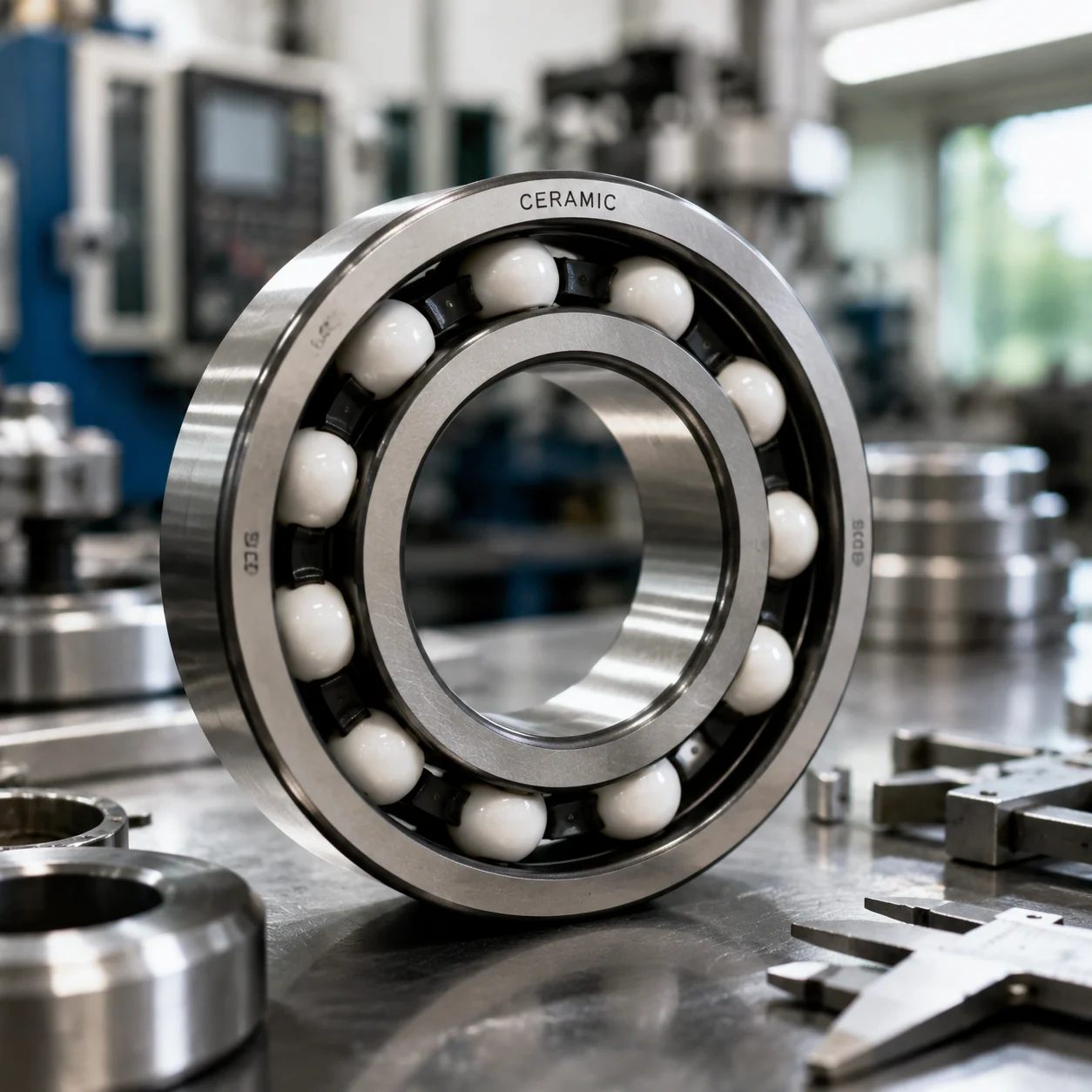
The Science Behind High-Speed Ceramic Bearings
The advantages of electrically insulated ball bearings and high-speed ceramic variants are rooted in material science. Advanced ceramics like Silicon Nitride offer a Vickers hardness significantly higher than standard 52100 chrome steel. This extreme hardness allows ceramic balls to resist surface fatigue, micro-pitting, and abrasive wear over millions of rotational cycles.
Thermal management is another critical factor. Because ceramic balls are approximately 40% less dense than steel, they exert much less centrifugal force on the bearing's outer ring at high speeds. This reduction in dynamic load drastically lowers operating temperatures and prevents premature lubricant breakdown, allowing high-speed ceramic bearings to achieve unprecedented dN values in spindle applications.
Furthermore, for variable-frequency drives (VFDs) and electric motors, the natural dielectric properties of ceramic materials provide perfect electrical insulation. By stopping stray currents, these bearings eliminate electrical erosion and fluting on raceways, effectively slashing motor failure rates and minimizing costly unplanned downtime.
Core Advantages of JN Bearings Ceramic Solutions
Electrical Insulation
Ceramic acts as a natural insulator, blocking stray currents in electric motors and extending maintenance intervals significantly.
Low Friction & High Speed
Reduced mass means lower centrifugal force, making low friction ceramic bearings ideal for ultra-high-speed CNC spindles.
Corrosion & Heat Resistance
Capable of dry-running with minimal lubrication in highly corrosive chemical environments and extreme temperatures.
Non-Magnetic Design
Perfectly suited for medical MRI scanners and semiconductor equipment where magnetic interference must be avoided.
Hybrid vs. Full Ceramic Bearings
Concentrating solely on ball bearings, JN Bearings helps customers choose the exact hybrid or full ceramic configuration optimized for their needs, ensuring you balance performance with cost-efficiency.
Hybrid Ceramic Ball Bearings
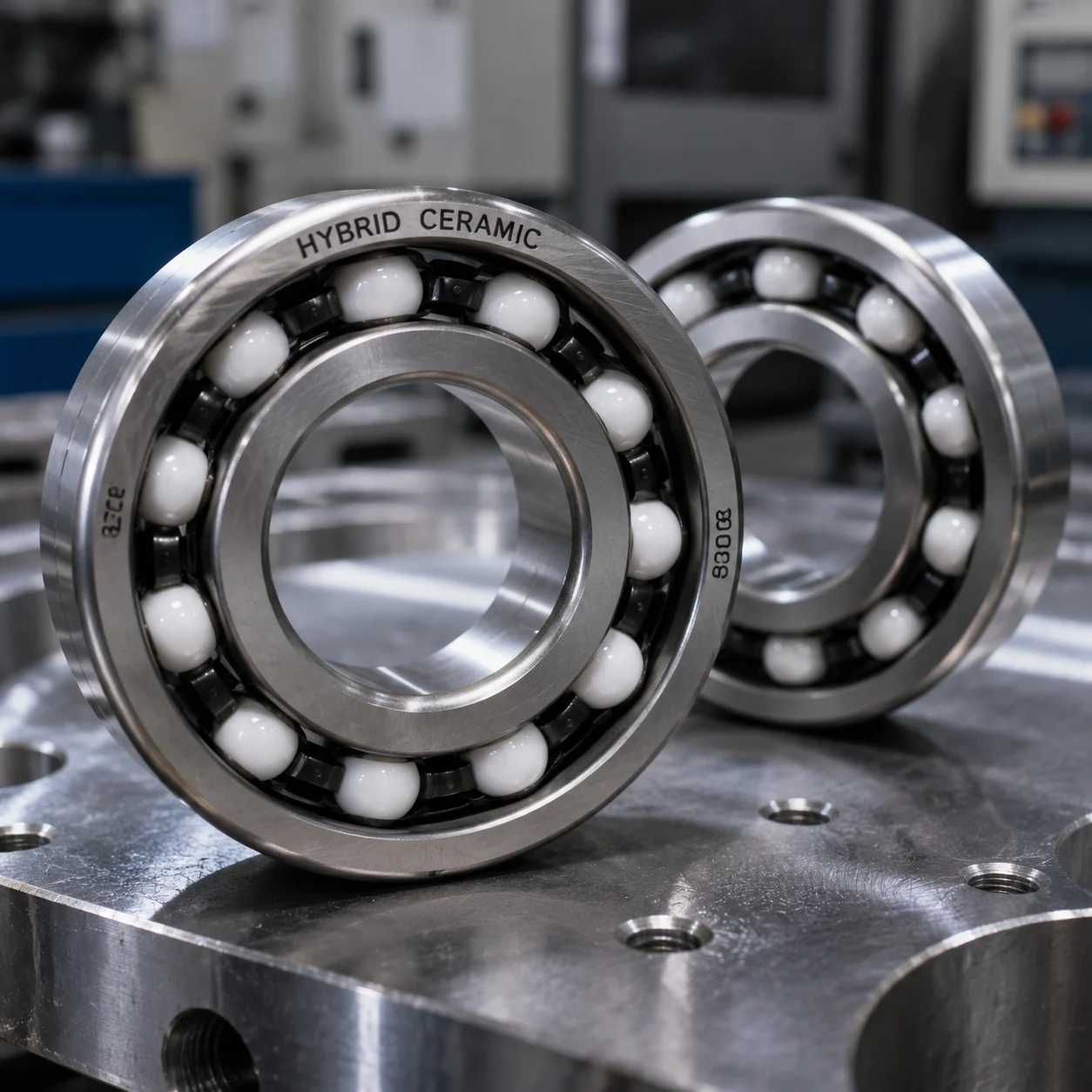
Combining steel rings with ceramic balls, these offer exceptional value for electric motors needing electrical insulation and higher speed capabilities.
Full Ceramic Bearings
Featuring ceramic inner and outer rings alongside ceramic balls. Indispensable for ultra-corrosive, extreme-heat, and strict non-magnetic environments.
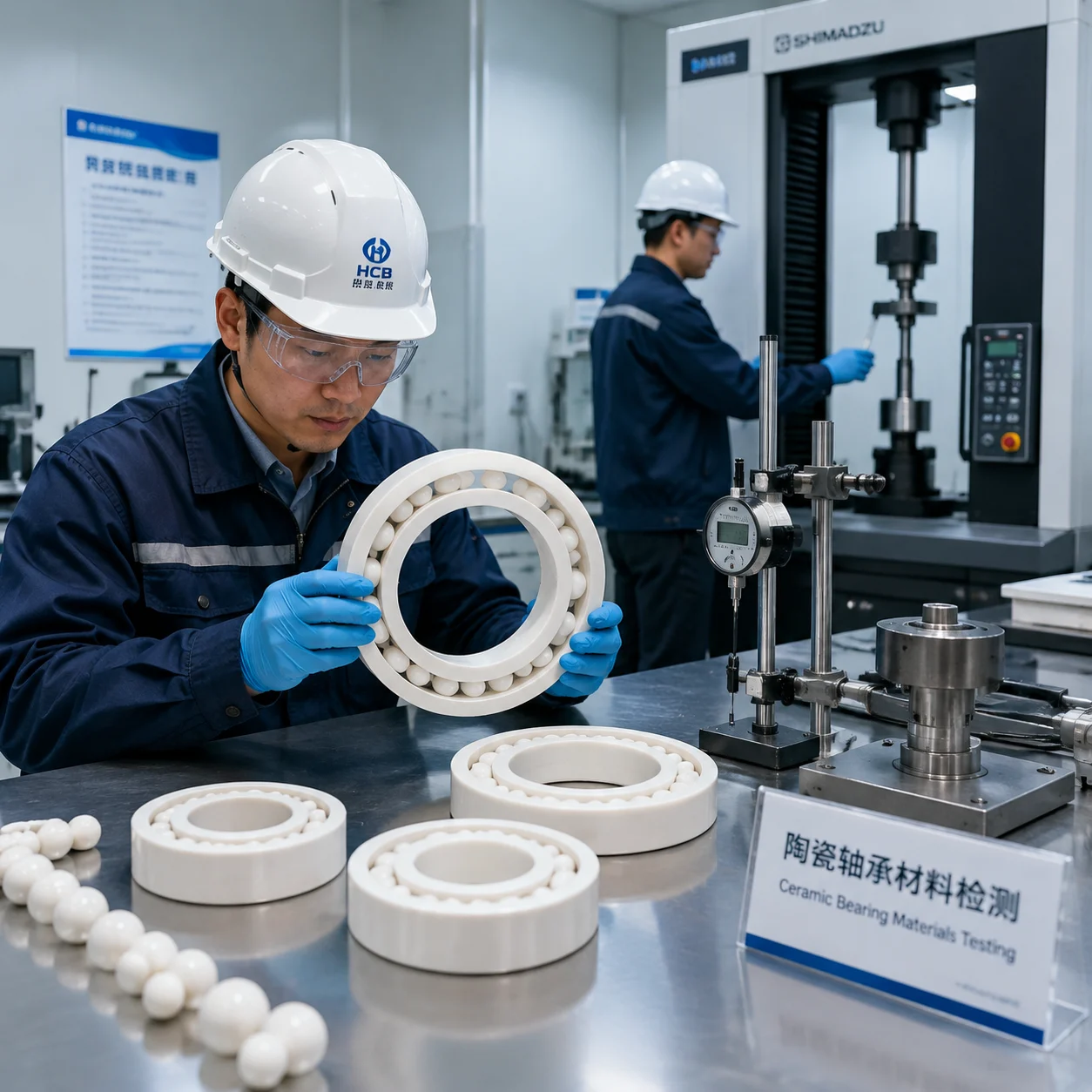
Justifying the Investment: Ceramic vs Steel Bearings
While the initial cost of high-performance ceramic bearings is higher, their ceramic bearing advantages over steel translate to a superior Total Cost of Ownership (TCO). By significantly reducing motor maintenance, eliminating electrical arcing, and thriving where steel degrades, they quickly yield a robust return on investment.
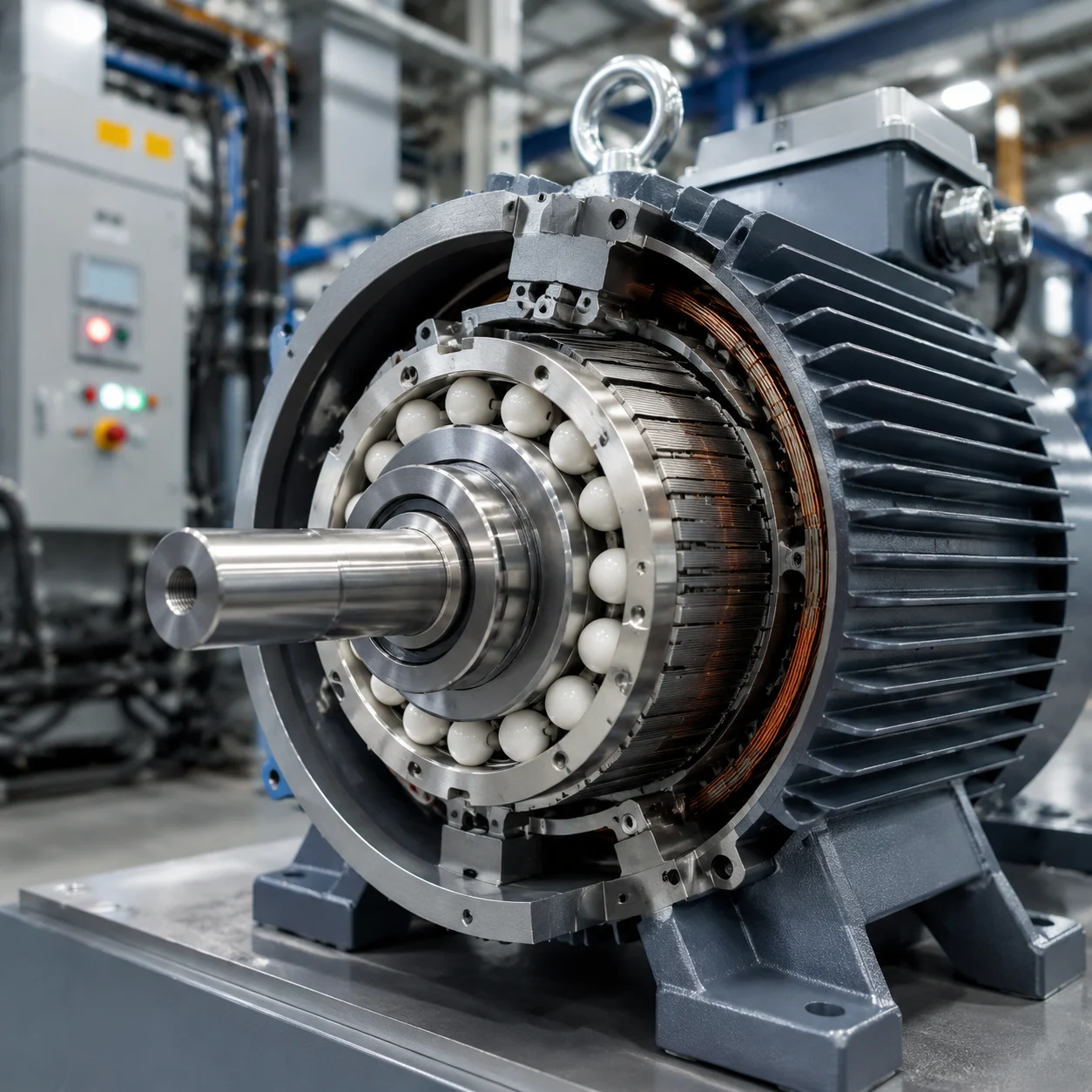
Uncompromising Manufacturing Standards
JN Bearings employs consistent quality control on raw materials like Si3N4 and ZrO2 to guarantee stable performance. Every custom ball bearing is manufactured to exacting dimensional tolerances (ABEC 5 to ABEC 7) to minimize vibration and maximize fatigue life in critical applications.
Based in Jinan, China, JN Bearings is a specialized ceramic bearing manufacturer focused exclusively on delivering efficient global supply support. We offer comprehensive OEM/ODM customization, allowing engineers to specify precise cage types, clearances, and hybrid configurations tailored to their unique thermal and rotational demands.
From semiconductor fabrication to aerospace engineering, our advanced manufacturing capabilities ensure you receive reliable, high-performance bearings on time, backed by rigorous ISO-certified testing procedures and responsive technical support.
Performance Overview
Why Choose High-Performance Ceramic Ball Bearings?
While traditional steel bearings remain the industry standard for general applications, they encounter severe physical limitations in modern extreme environments. Ceramic ball bearings overcome these barriers by providing exceptional resistance to high speeds, extreme heat, chemical corrosion, and stray electrical currents, delivering reliability where standard materials fail.
Material Science Advantage
The fundamental difference lies in the material properties. Advanced ceramics like silicon nitride (Si3N4) and zirconia (ZrO2) are significantly lighter than bearing steel. By reducing the ball weight by up to 40%, centrifugal forces at high rotational speeds drop dramatically. This prevents excessive friction and heat generation, making low friction ceramic bearings ideal for ultra-high-speed spindles.
Furthermore, ceramic balls exhibit extraordinary hardness. Reaching up to 1,600 HV on the Vickers scale, they easily outlast standard hardened steel (typically 700–900 HV). This extreme surface hardness reduces raceway wear, prevents micro-welding, and maintains precise dimensional tolerances over millions of operating cycles.
For modern electric motors and VFD-controlled equipment, the natural insulating properties of ceramic are revolutionary. Electrically insulated ball bearings block stray currents that cause electrical pitting and fluting. By interrupting the electrical path, ceramic bearings eliminate a major cause of premature motor failure, ensuring consistent operation and lowering maintenance costs.
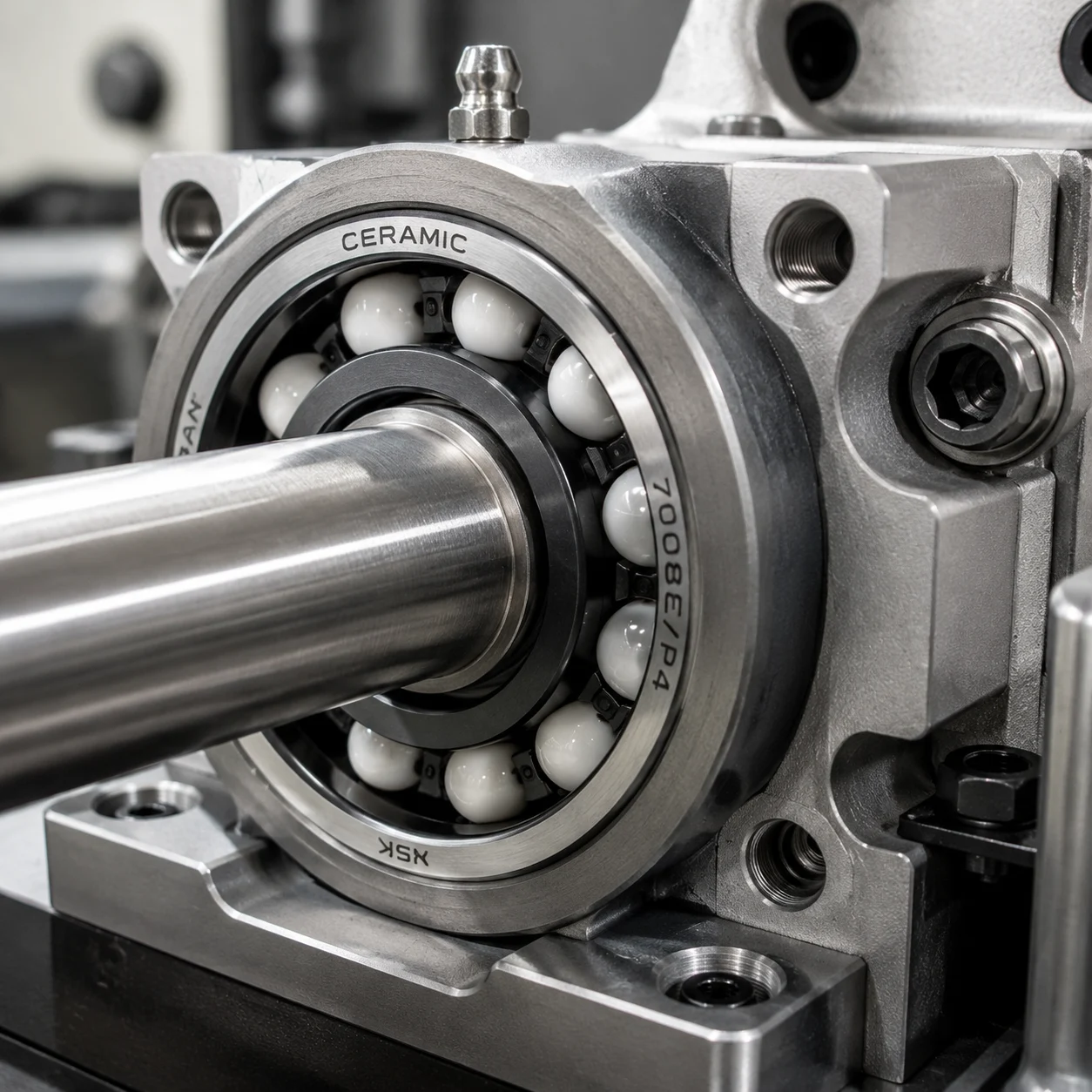
Four Core Advantages of Ceramic Bearings
Electrical Insulation
Acting as a perfect dielectric barrier, ceramic elements prevent high-frequency stray currents from passing through the bearing. This completely eliminates electrical arcing, which causes raceway fluting and premature lubricant degradation in modern electric motors.
- Zero electrical pitting damage
- Crucial for VFD applications
- Reduces motor maintenance frequency
Low Friction & High Speed
The superior surface finish and lower density of ceramic balls reduce rolling resistance significantly. High-speed ceramic bearings operate at lower temperatures, consuming less energy and safely reaching operational speeds 20% to 40% higher than traditional steel alternatives.
- Optimized for precision machine tools
- Lower operating temperatures
- Significantly extends grease life
Corrosion & Heat Resistance
Unlike steel, advanced ceramics are practically inert. They withstand exposure to strong acids, alkalis, and moisture without corroding. Additionally, silicon nitride bearings can maintain structural integrity in extreme high-temperature environments, far exceeding the thermal limits of conventional bearing steel.
- Reliable in harsh chemical processes
- Performs at extreme elevated temperatures
- Capable of limited dry-running
Non-Magnetic Properties
Being completely non-magnetic, full ceramic ball bearings are essential for highly sensitive applications. They generate zero magnetic interference, making them the standard choice for MRI scanners, semiconductor manufacturing, and delicate measuring instruments where steel would disrupt operation.
- Essential for medical MRI equipment
- Prevents particulate attraction
- Safe for sensitive metrology tools
Total Cost of Ownership Advantage
While the initial investment in high-performance ceramic bearings is higher than standard steel options, their long-term value is undeniable. The true cost of a bearing is measured not by its purchase price, but by its lifespan and the downtime it prevents. By mitigating common failure modes—such as electrical erosion, high-speed galling, and chemical degradation—ceramic bearings significantly lower the Total Cost of Ownership (TCO).
In demanding industrial applications, such as high-speed spindles and VFD-driven electric motors, maintenance cycles dictate productivity. Switching to hybrid or full ceramic bearings drastically reduces lubrication requirements, lowers operational temperatures, and routinely extends component life by two to three times compared to steel.
Designed with precision engineering, JN Bearings ensures our ceramic solutions deliver higher product reliability than standard alternatives. For industries where unexpected machine downtime leads to severe financial losses, upgrading to advanced ceramic ball bearings is an investment that pays for itself rapidly through uninterrupted, maintenance-free operation.
Material Properties Comparison
| Technical Property | Silicon Nitride (Si3N4) | Standard Bearing Steel |
|---|---|---|
| Density (g/cm³) | 3.2 (Lightweight) | 7.8 |
| Vickers Hardness (HV) | 1,400 – 1,600 | 700 – 900 |
| Max Operating Temp. | Up to 1,000°C | ~120°C - 150°C |
| Electrical Conductivity | High Insulation | Highly Conductive |
| Corrosion Resistance | Outstanding | Prone to Rusting |
| Magnetic Susceptibility | Non-magnetic | Ferromagnetic |
| Lubrication Needs | Very Low / Capable of Dry Run | Requires Constant Regreasing |
* General performance data comparing typical Si3N4 ceramic against standard AISI 52100 steel. Specific parameters vary based on bearing design and operating conditions.
Primary Applications Resolving Critical Pain Points
Choosing ceramic bearing materials is a strategic decision for industries dealing with harsh operating conditions. The unique physical properties of hybrid and full ceramic configurations solve specific, costly mechanical challenges in the following demanding sectors:
- Industrial Electric Motors & VFDs: Insulating properties prevent electrical arcing and fluting damage, significantly reducing costly motor repair frequencies.
- High-Speed Machine Tool Spindles: Lower mass and ultra-low friction enable extreme RPMs while maintaining precision, improving CNC machining surface finishes.
- Medical & Laboratory Devices: Completely non-magnetic properties ensure reliable operation within MRI machines without interfering with diagnostic imaging.
- Chemical & Vacuum Environments: Exceptional corrosion resistance and dry-running capabilities withstand aggressive acids and clean-room requirements.
- Semiconductor Manufacturing: Wear-resistant ceramic balls produce minimal particulate contamination, protecting high-yield wafer fabrication processes.
- Aerospace & Defense: The combination of lightweight design, high temperature tolerance, and rigid performance meets strict aviation specifications.
Precision Manufactured for Extreme Reliability
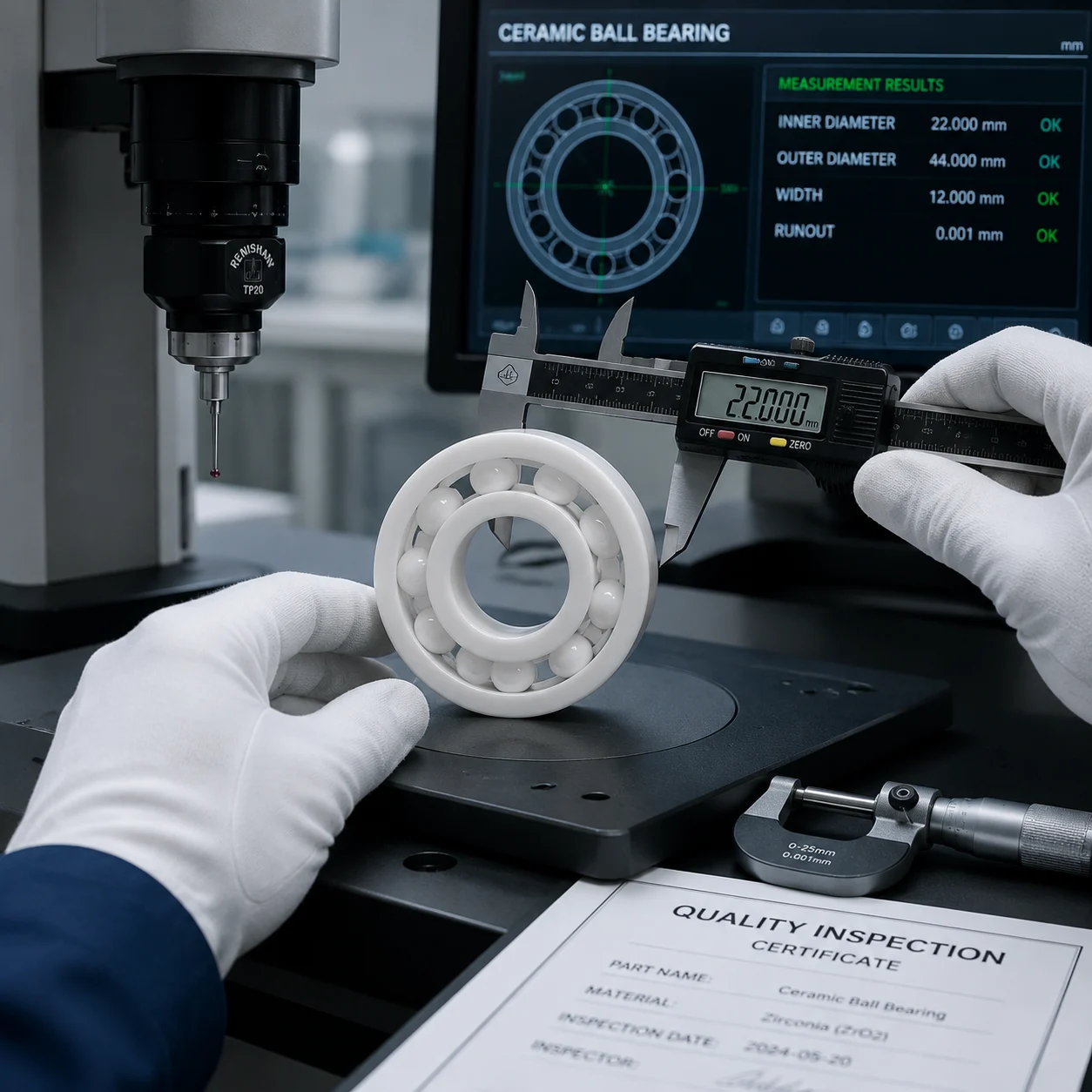
At JN Bearings, we understand that advanced applications require flawless execution. We apply stringent quality control protocols to our premium raw materials, ensuring every hybrid and full ceramic bearing meets precise dimensional and performance standards. By closely managing the manufacturing process, we deliver components that guarantee stable, repeatable performance in the field.
When steel bearings hit their operational limits regarding speed, heat, electrical conductivity, or chemical exposure, our high-performance ceramic ball bearings provide the definitive solution. They are not just alternative parts—they are engineered upgrades designed to maximize the efficiency and lifespan of your most critical machinery.
Ceramic Bearing Types: Hybrid vs. Full Ceramic Solutions
Choosing the right high-performance bearing depends entirely on your operating environment. Understanding the precise differences between hybrid ceramic ball bearings and full ceramic bearings is critical for maximizing lifespan and minimizing downtime. JN Bearings engineers both configurations, helping customers choose the exact setup optimized for their extreme demands. For other bearing options, explore our deep-groove ball bearings.
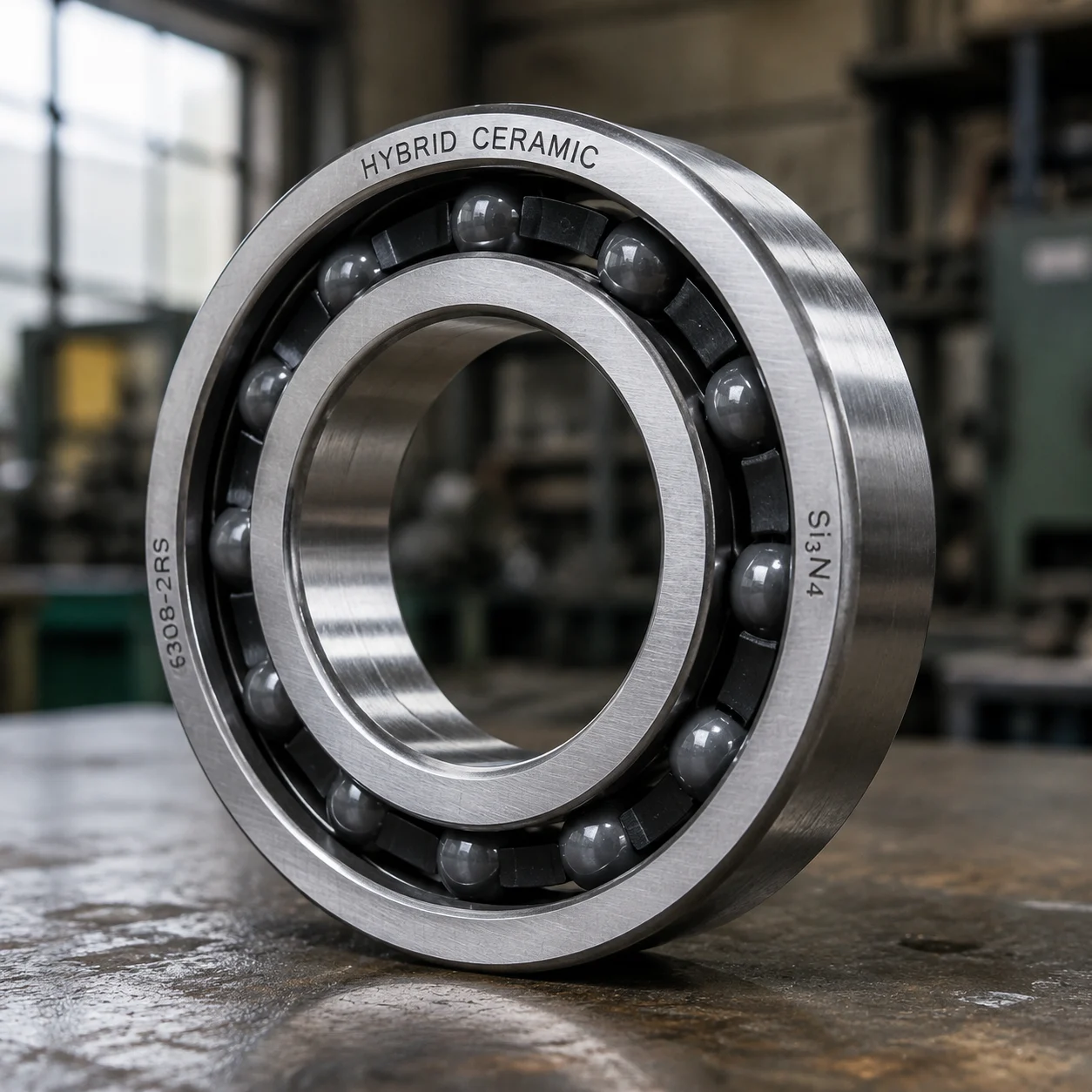
Hybrid Ceramic Ball Bearings
Steel Rings + Si3N4 Ceramic Balls
Hybrid ceramic ball bearings integrate standard steel inner and outer rings with precision-engineered silicon nitride (Si3N4) rolling elements. This hybrid configuration offers exceptional performance upgrades over traditional steel bearings while remaining highly cost-effective for large-scale industrial applications.
Because ceramic balls are roughly 40% lighter than steel equivalents, centrifugal forces at high rotational speeds are significantly reduced. This ultra-low friction dynamic allows high-speed ceramic bearings to operate at lower temperatures, reducing noise and drastically extending bearing service life under demanding duty cycles.
Crucially, hybrid models provide excellent electrical insulation. In electric motors driven by variable-frequency drives (VFDs), stray currents often cause electrochemical erosion on raceways. Electrically insulated ball bearings interrupt this current path entirely, eliminating arcing and protecting both the motor and the connected shaft.
Core Advantages
- Eliminates electric arc damage and fluting in electric motors
- Enables ultra-high spindle speeds with lower centrifugal force
- Reduces friction and operating heat, preserving lubricant
- Minimizes vibration and acoustic noise during operation
- Seamless drop-in replacement for standard steel bearing sizes
- Outstanding cost-to-performance ratio for commercial upgrades
Ideal Applications
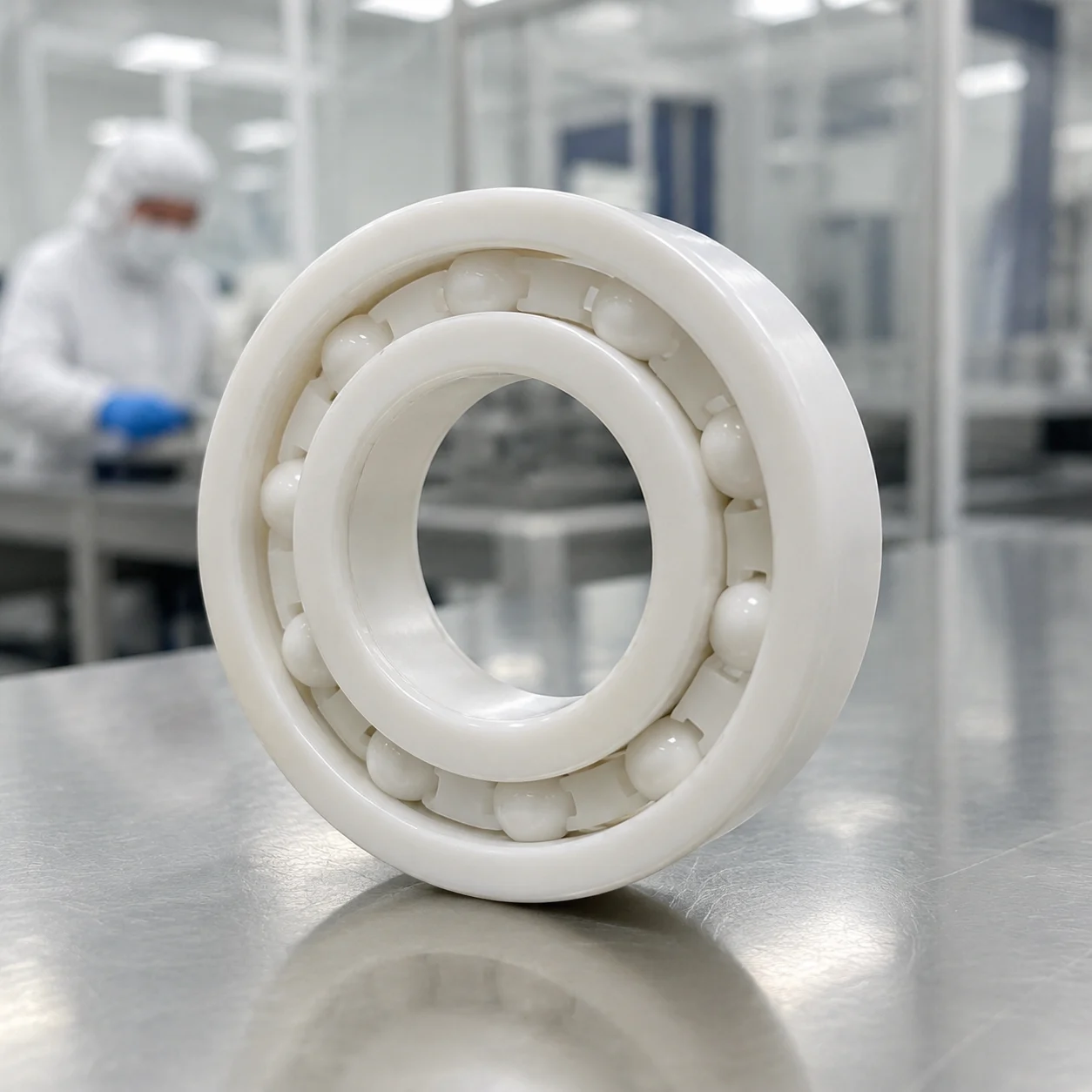
Full Ceramic Ball Bearings
Solid Ceramic Rings + Rolling Elements (Si3N4 / ZrO2)
Full ceramic bearings are constructed entirely from advanced ceramic materials—including the inner ring, outer ring, and balls (with optional specialty cages). Available in Silicon Nitride (Si3N4) or Zirconia (ZrO2), these bearings thrive in severe industrial environments where conventional steel components rapidly fail.
Because the material is completely non-conductive and non-magnetic, full ceramic ball bearings are the definitive choice for MRI medical equipment, semiconductor manufacturing tools, and magnetically sensitive instrumentation. The absence of metallic components guarantees zero magnetic interference.
These bearings also demonstrate unmatched corrosion and heat resistance. They withstand strong acids, alkalis, and extreme temperatures without degrading. Furthermore, their dry-running capability allows them to operate without grease or oil, making them indispensable for high-vacuum chambers and contamination-sensitive cleanrooms.
Core Advantages
- 100% non-magnetic for medical MRI and semiconductor tools
- Impervious to strong acids, alkalis, and harsh chemical solvents
- True dry-running capability requires zero grease or lubrication
- Withstands extreme continuous service temperatures up to 1000°C
- Total electrical isolation across all raceways and components
- Eliminates rust and corrosion in wash-down or submerged settings
Ideal Applications
Hybrid vs. Full Ceramic Bearings: Making the Right Choice
Selecting between hybrid ceramic ball bearings and full ceramic bearings requires evaluating four critical parameters: operating environment severity, magnetic sensitivity, lubrication requirements, and overall budget. Neither option is universally superior; each solves distinct engineering challenges.
For most high-speed industrial applications—such as CNC machine tool spindles, VFD electric motors, and precision robotics—hybrid ceramic bearings offer the best return on investment. The steel rings maintain identical dimensional tolerances to standard bearings, enabling instant performance upgrades without modifying shafts or housings.
When the operating environment introduces aggressive chemicals, extreme heat, or demands total magnetic transparency, full ceramic bearings are absolutely required. While the initial investment is higher, their ability to survive where steel melts or corrodes results in dramatically lower maintenance costs and an optimized Total Cost of Ownership (TCO).
| Selection Factor | Hybrid Ceramic | Full Ceramic |
|---|---|---|
| Electrical Insulation | Excellent | Complete (100%) |
| Non-Magnetic Properties | Partial | Fully Non-Magnetic |
| Chemical Resistance | Limited (Steel Rings) | Superior |
| Max. Operating Temp. | ~300°C (Steel Limit) | Up to 1000°C (Si3N4) |
| Dry-Running Capability | Requires Lubrication | Yes (Zero Grease) |
| High-Speed Performance | Exceptional (High DN) | Excellent |
| Drop-In Compatibility | Yes (ISO Standard) | Verify Tolerances |
| Relative Unit Cost | Highly Cost-Effective | Premium Investment |
Silicon Nitride (Si3N4) Ceramic Bearings
As the premier material for hybrid ceramic and ultra-high-speed applications, Si3N4 boasts extreme hardness, minimal weight, and superior thermal shock resistance. It is the definitive choice for aerospace components, machine tool spindles, and electric motor insulation.
- Density: 3.2 g/cm³ (vs. 7.8 g/cm³ for conventional steel)
- Hardness: ~1600 HV (Vickers), ensuring minimal wear
- Max operating temperature: Withstands up to 1000°C
Zirconia (ZrO2) Ball Bearings
Zirconia features a thermal expansion coefficient highly similar to bearing steel, minimizing dimensional shifts during rapid temperature changes. ZrO2 is exceptionally tough and fracture-resistant, making it the preferred material for full ceramic configurations used in harsh chemical and submerged environments.
- Density: 6.0 g/cm³, offering robust structural integrity
- Thermal expansion matches steel, enabling easier retrofits
- Superior resistance to harsh acids, alkalis, and solvents
Engineering Guidance: Selecting Your Ceramic Configuration
Specifying the right ceramic bearing materials requires a holistic view of your operational demands. JN Bearings advises evaluating your system using the following criteria to ensure maximum reliability and cost-efficiency.
- 1Identify your primary failure mode.
Is your current steel bearing failing from electrical fluting, chemical corrosion, thermal expansion, or magnetic interference? Pinpointing the failure mode dictates the required ceramic grade.
- 2Assess your speed and load requirements.
High-speed applications (high DN values) strongly benefit from Si3N4 hybrid bearings due to reduced centrifugal force. Lower speeds in corrosive fluids are ideal for ZrO2 full ceramic models.
- 3Evaluate lubrication constraints.
If your process demands a contamination-free, dry-running environment—such as cleanrooms or food processing—full ceramic is the only viable solution regardless of operational speed.
- 4Confirm dimensional compatibility.
Hybrid ceramic bearings perfectly match ISO steel bearing dimensions. Full ceramic models may require specific tolerances. JN Bearings provides extensive OEM/ODM support for custom geometries.
Concentrating solely on ball bearings, JN Bearings provides technical depth that generalist distributors cannot match. Whether you require a standard electrically insulated bearing for a factory motor or a bespoke non-magnetic bearing for a semiconductor tool, we deliver rigorous quality control and reliable global supply.
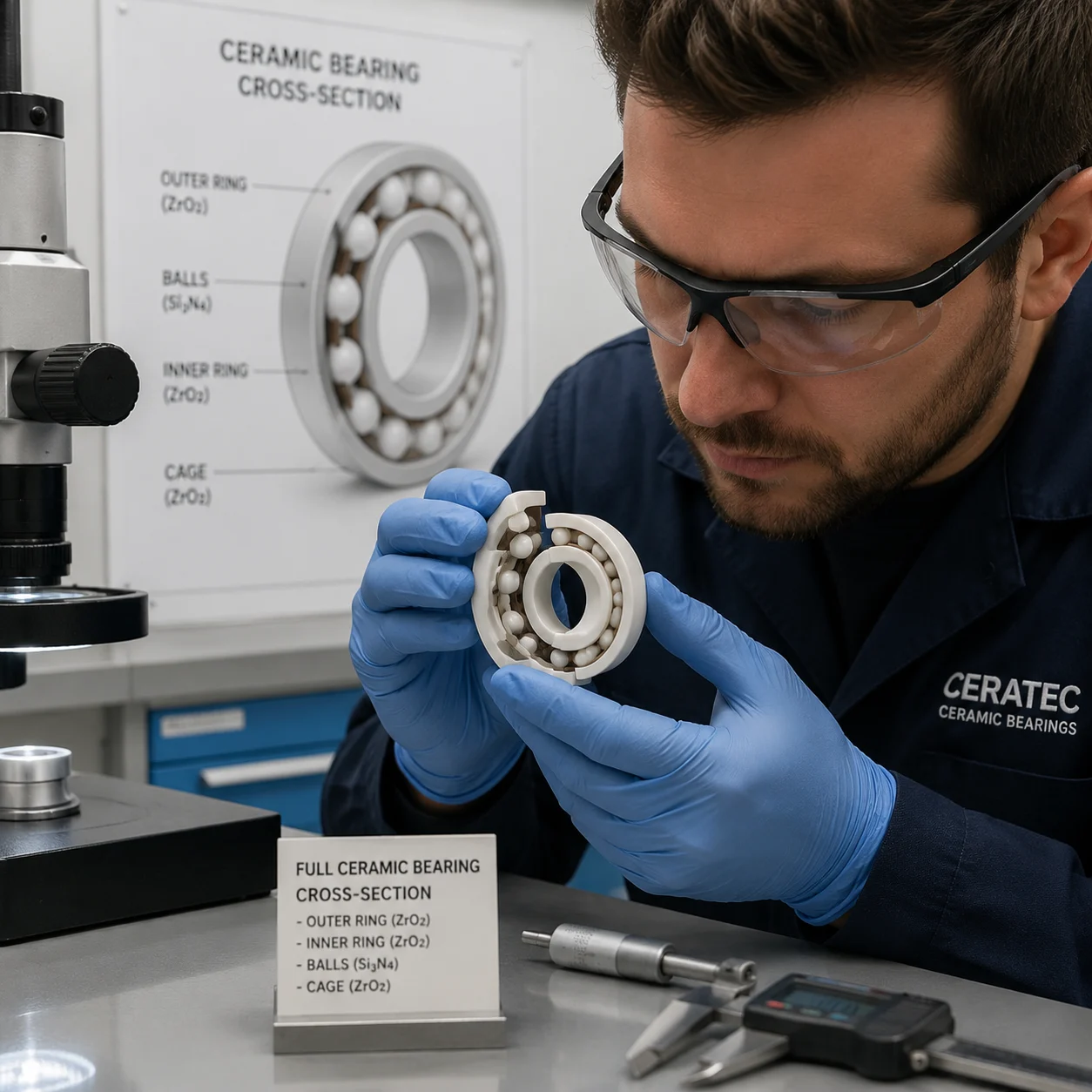
Need Help Sourcing the Right Ceramic Bearing?
Share your exact specifications, operating speeds, and environmental constraints. The JN Bearings engineering team will recommend the optimal hybrid or full ceramic solution—delivering technical drawings and a competitive quote within 24 hours.
Core Ceramic Material Options & Technical Specifications
Selecting the appropriate ceramic material is fundamental to engineering high-performance bearings. JN Bearings specializes in the two most proven ceramic compounds — Silicon Nitride (Si3N4) and Zirconia (ZrO2) — meticulously engineered for severe operating environments, extreme speeds, and heavy-duty load profiles.
The reliability of high-performance bearings relies intrinsically on the raw materials used for their rolling elements and raceways. While conventional steel bearings perform adequately in general-purpose operations, extreme environments — such as ultra-high-speed spindles, highly corrosive chemical pipelines, non-magnetic medical imaging devices, and advanced aerospace drivetrains — demand materials that surpass the physical limits of steel.
Advanced ceramic materials provide a disruptive combination of exceptionally low density, immense hardness, reliable electrical insulation, and chemical inertness. However, selecting the right grade is vital. The precision bearing industry relies primarily on Silicon Nitride (Si3N4) and Zirconia (ZrO2) ceramic bearing materials, each offering distinct mechanical advantages that must align with your specific application parameters.
JN Bearings enforces a rigorous incoming quality inspection protocol for all raw ceramic materials, analyzing density, Vickers hardness, and microstructural integrity before initiating production. This stringent quality control guarantees that every Si3N4 or ZrO2 ceramic ball bearing we manufacture delivers stable, predictable, and superior performance across all production batches.
Silicon Nitride (Si3N4)
The benchmark material for hybrid ceramic bearings and ultra-high-speed spindle operations.
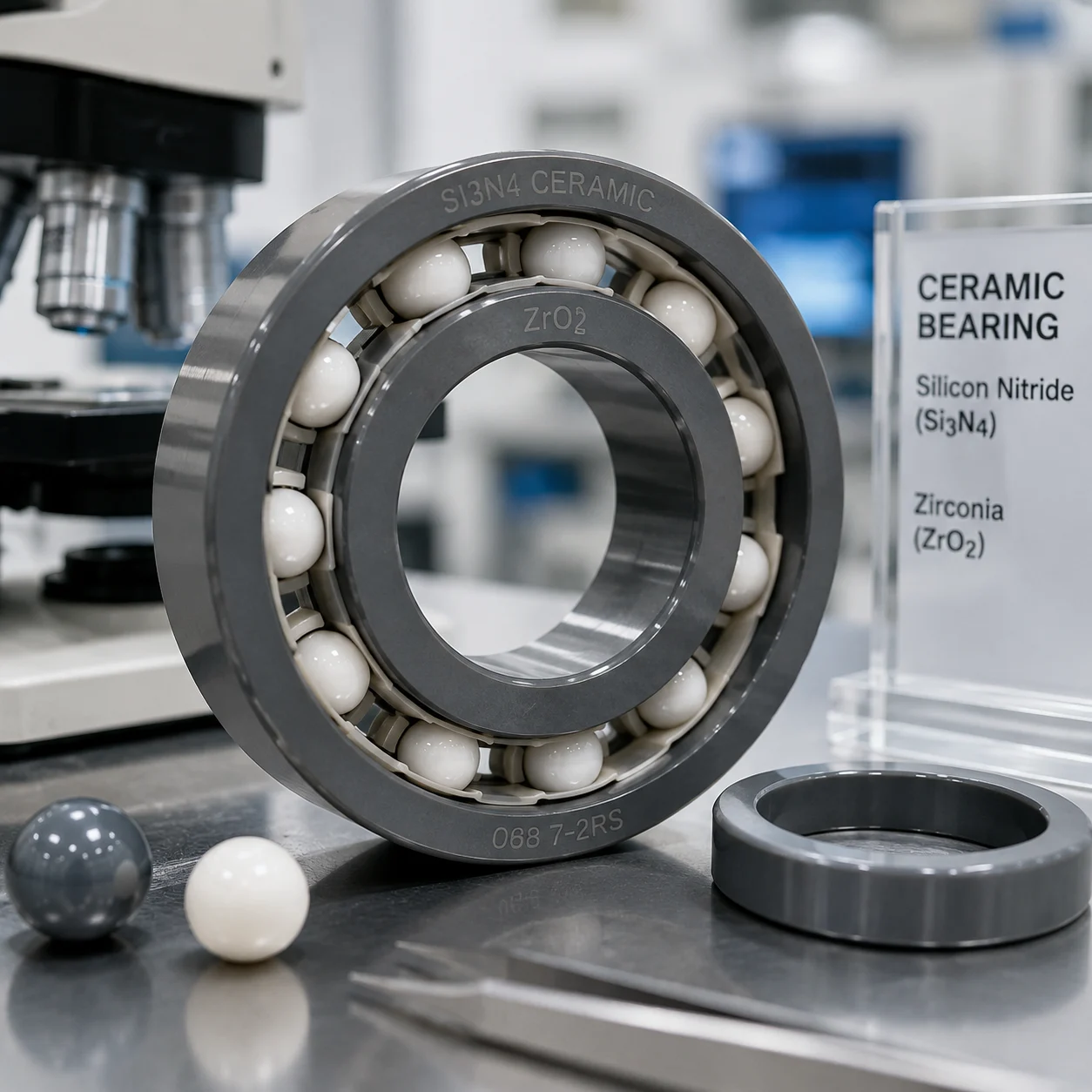
Silicon Nitride is the dominant material choice for high-speed ceramic ball bearings. Featuring a remarkably low density — approximately 60% lighter than standard bearing steel — Si3N4 significantly curtails centrifugal forces on the rolling elements, allowing for rotational speeds that easily outpace traditional steel limits.
Furthermore, Si3N4 delivers exceptional thermal shock resistance and maintains dimensional stability during rapid temperature fluctuations. This makes it a superior option for mechanical systems subjected to frequent thermal cycling or extreme friction.
Key Physical Properties
- Density: 3.2 g/cm³ (vs. 7.8 g/cm³ for steel — enabling higher RPM limits)
- Vickers Hardness: 1,400–1,700 HV (drastically resists wear and surface fatigue)
- Max Operating Temperature: Up to 1,000 °C (1,832 °F) in non-oxidizing environments
- Thermal Expansion Coefficient: ~3.2 × 10⁻⁶/°C (prevents high-heat seizure)
- Electrical Resistivity:10¹³ Ω·cm (complete insulation against electrical fluting)
- Elastic Modulus: ~310 GPa (ensures extreme stiffness for precision tasks)
- Fracture Toughness: 5–7 MPa·m½ (industry-leading for structural ceramics)
Ideal Application Environments
- Precision CNC machine tool spindles and high-velocity milling heads
- Industrial electric motors requiring absolute stray current insulation
- Aerospace turbomachinery and critical auxiliary power generation
- Hybrid ceramic bearings operating with minimal or solid lubrication
- Energy sector drivetrains including specialized wind turbine shafts
Si3N4 ceramic balls represent the premium choice when maximum rotational speeds, minimum component weight, and extended bearing lifespan are the primary engineering objectives.
Zirconia (ZrO2)
The most resilient full ceramic bearing material for hostile chemical and aqueous environments.
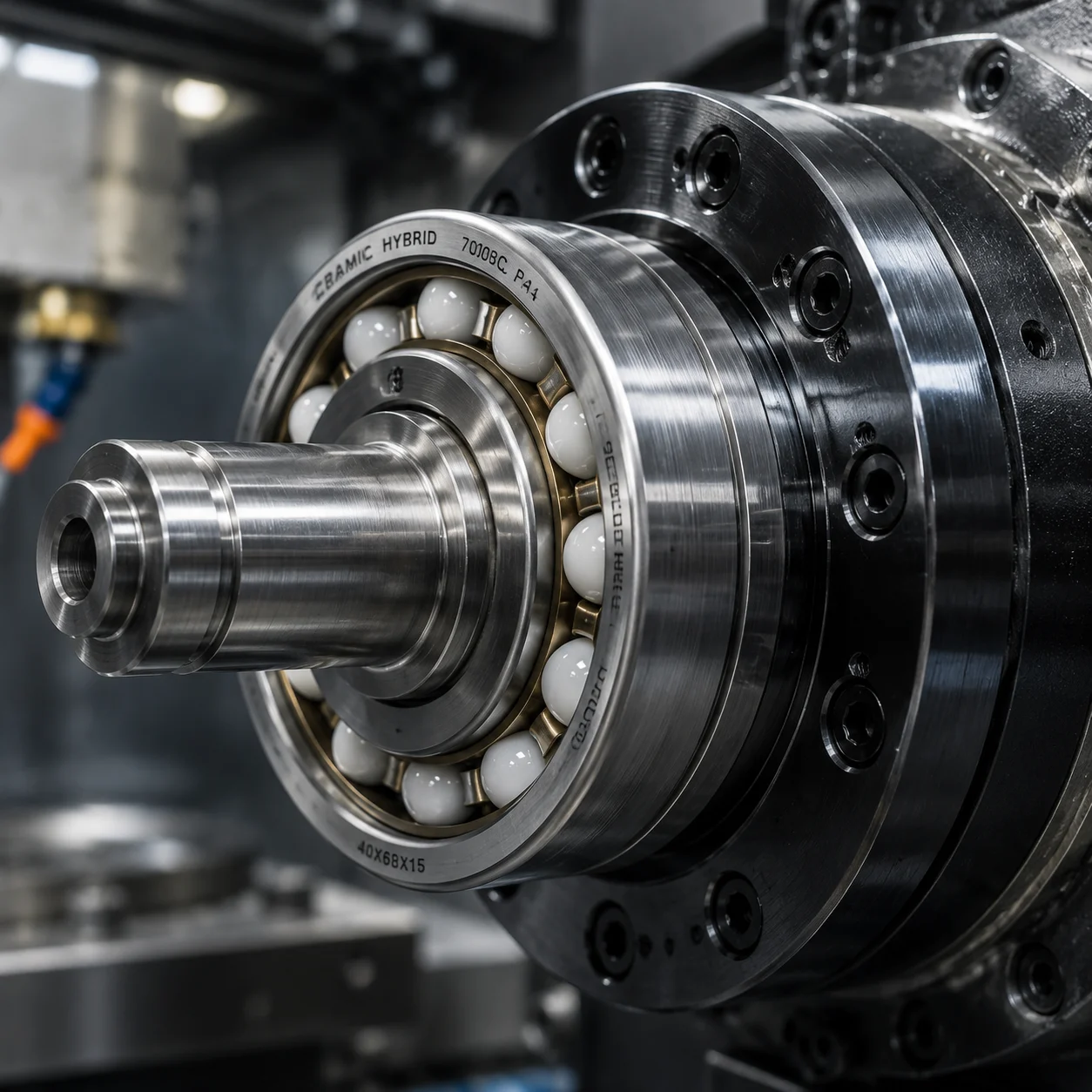
Zirconia (ZrO2) is the optimal material when absolute chemical resistance and structural toughness are required over ultimate rotational velocity. Benefiting from a thermal expansion coefficient that closely parallels bearing steel, ZrO2 full ceramic bearings provide excellent dimensional stability within complex, mixed-material mechanical assemblies.
Crucially, ZrO2 boasts superior fracture toughness compared to alternative structural ceramics, absorbing higher impact loads without catastrophic failure. This trait makes it indispensable for full ceramic ball bearing designs where both the raceways and rolling elements are non-metallic.
Key Physical Properties
- Density: 5.9–6.1 g/cm³ (heavier than Si3N4, yet still 20–25% lighter than steel)
- Vickers Hardness: 1,200–1,400 HV (offers substantial wear resistance)
- Max Operating Temperature: Up to 400 °C (752 °F) continuous; briefly tolerates 600 °C
- Thermal Expansion Coefficient: ~10.5 × 10⁻⁶/°C (highly compatible with steel shafting)
- Electrical Resistivity:10¹² Ω·cm (delivers profound electrical insulation)
- Elastic Modulus: ~200 GPa (provides excellent load distribution)
- Fracture Toughness: 8–10 MPa·m½ (the highest toughness among bearing-grade ceramics)
Ideal Application Environments
- Chemical processing pumps routinely exposed to strong acids, alkalis, and harsh solvents
- Food processing and pharmaceutical machinery requiring zero metal contamination
- Marine equipment submersed in seawater and extreme saltwater environments
- High-temperature applications requiring an all-ceramic construction
- Industrial applications where moderate shock resistance is needed alongside corrosion defense
ZrO2’s exceptional blend of toughness and chemical inertness positions it as the definitive choice for full ceramic bearings operating in wet, highly corrosive, or cleanroom environments.
Si3N4 vs. ZrO2 — Side-by-Side Material Specification Comparison
Typical performance metrics for precision-grade ceramic bearing materials versus standard steel.
| Technical Property | Optimized for Speed Si3N4 (Silicon Nitride) | Optimized for Corrosion ZrO2 (Zirconia) | Baseline Reference 52100 Bearing Steel |
|---|---|---|---|
| Material Density (g/cm³) | 3.2 (Ultra-Light) | 5.9–6.1 | 7.8 |
| Vickers Hardness (HV) | 1,400–1,700 | 1,200–1,400 | 700–850 |
| Max Operating Temp. (°C) | 1,000 | 400–600 | 120–180 |
| Thermal Expansion (×10⁻⁶/°C) | 3.2 | 10.5 | 11.0–12.0 |
| Electrical Resistivity (Ω·cm) | 10¹³ (Total Insulation) | 10¹² (Total Insulation) | ~10⁻⁵ (Conductor) |
| Fracture Toughness (MPa·m½) | 5–7 | 8–10 (High Toughness) | ~50 (Ductile) |
| Elastic Modulus (GPa) | 310 | 200 | 200–210 |
| Corrosion Resistance | Excellent | Outstanding | Poor (Requires Lubrication) |
| Magnetic Profile | Non-magnetic | Non-magnetic | Magnetic |
| Standard Bearing Construction | Hybrid Ceramic | Full Ceramic | Standard Steel |
How to Specify the Right Ceramic Bearing Material
Accurate material specification for high-performance ceramic bearings demands a thorough evaluation of the intended operational environment. Utilize this engineering framework to guide your material selection process:
1 Specify Si3N4 Ceramic Bearings When…
- System rotational speeds regularly exceed 15,000–20,000 RPM parameters
- Absolute electrical insulation is critical (e.g., VFD-driven electric motors to prevent fluting)
- Reducing overall bearing assembly weight creates significant energy efficiencies
- Applications experience sustained operating temperatures beyond 500 °C or severe thermal cycling
2 Specify ZrO2 Ceramic Bearings When…
- A full ceramic construction (both rings and rolling elements) is necessary to combat total contact corrosion
- The bearing assembly is exposed to potent acids, alkaline solutions, or deep-sea saltwater
- Sufficient fracture toughness is vital to absorb moderate impact loads without shattering
- Thermal expansion must closely mirror adjacent steel mounting components to prevent seizing
For many industrial applications, hybrid ceramic ball bearings utilizing Si3N4 balls provide a highly cost-effective, drop-in replacement for traditional steel variants — delivering instant improvements in speed, life cycle, and electrical resistance. Conversely, full ceramic ball bearings forged from ZrO2 are generally reserved for highly specialized sectors like semiconductor manufacturing, food-safe production lines, and marine engineering, where uncompromising chemical resistance justifies the investment.
Precision Tolerances, ABEC Grades, and Superior Surface Finishing
Material chemistry alone does not dictate bearing longevity. The operational performance of high-speed ceramic bearings heavily relies on stringent precision grades, ultra-fine surface finishes (Ra), and exact roundness tolerances. JN Bearings is fully equipped to manufacture ceramic bearings conforming to global standards, including ABEC-3, ABEC-5, ABEC-7, and ABEC-9 classifications.
| Precision Standard | Dimensional Runout Tolerance | Common Industrial Applications |
|---|---|---|
| ABEC-3 / ISO P6 | Standard dimensional control | Standard electric motors, industrial pumps, automation gear |
| ABEC-5 / ISO P5 | Enhanced internal clearance and runout control | CNC routing spindles, high-speed robotics, precision drivetrains |
| ABEC-7 / ISO P4 | High-precision radial runout ≤ 2.5 µm | Machine tool main spindles, vacuum semiconductor chambers |
| ABEC-9 / ISO P2 | Ultra-precision radial runout ≤ 1.0 µm | Aerospace gyroscopes, critical medical MRI imaging systems |
For both Silicon Nitride and Zirconia configurations, JN Bearings executes advanced polishing processes to achieve a surface roughness rating of Ra 0.01–0.02 µm on finished ceramic rolling elements. This mirror-like finish drastically diminishes rolling contact friction, significantly lowers acoustic noise at high RPMs, and prevents premature surface fatigue — maximizing the operational lifespan of your critical machinery.
Download Comprehensive Material Datasheets & Request Custom Specifications
JN Bearings stands ready to supply certified material datasheets, exact dimensional CAD drawings, and bespoke engineering guidance for our Si3N4 and ZrO2 ceramic bearing product lines. Provide your specific operational loads and environmental conditions, and our engineering team will identify the perfect ceramic bearing material, ABEC precision class, and custom cage design for your application.
- Certified Si3N4 and ZrO2 material quality test reports available
- Non-standard bore, OD, and width dimensions rapidly prototyped
- Full spectrum of precision levels supported: ABEC-3 through ABEC-9
- Guaranteed engineering assessment and price quote within 24 hours
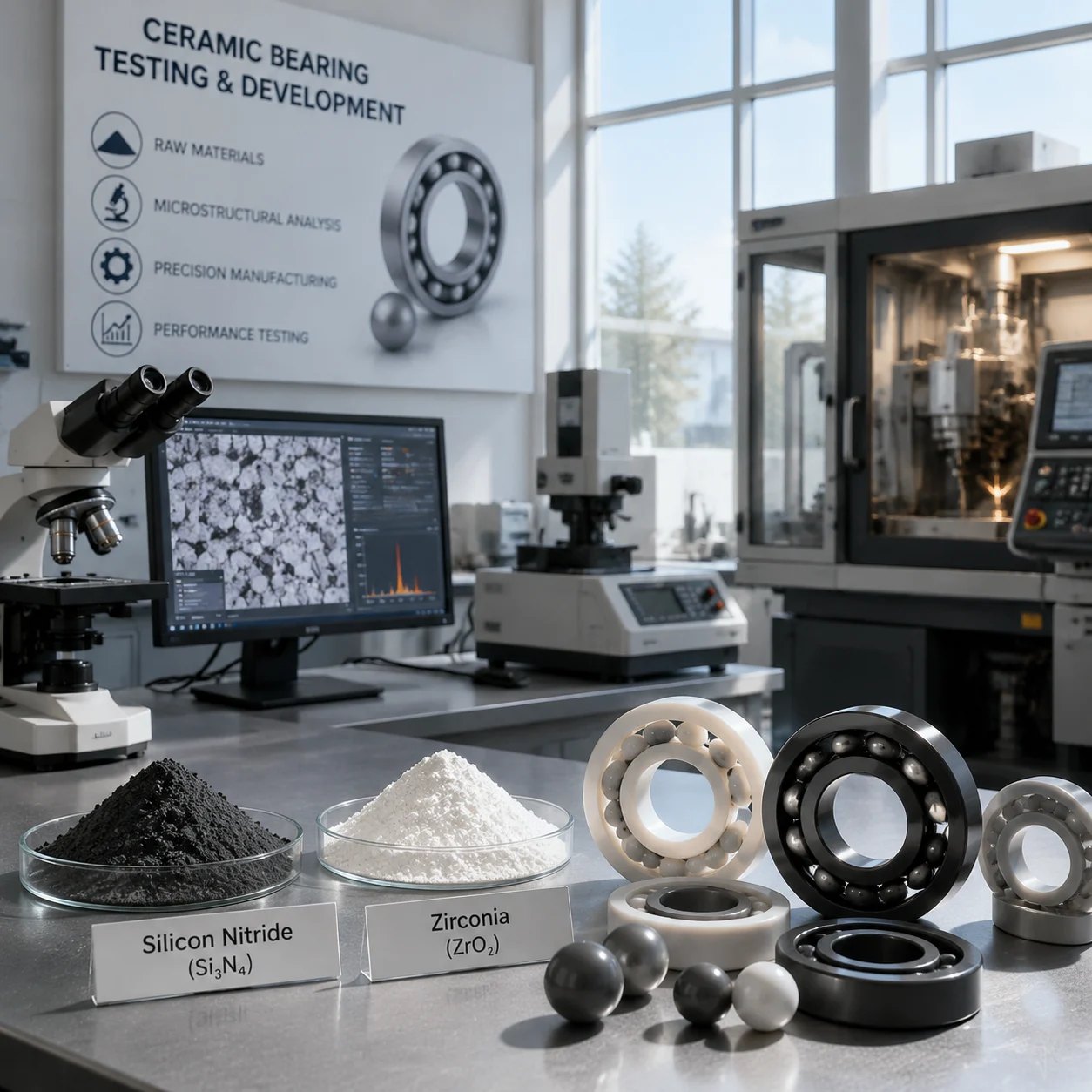
Ideal Choices for Demanding Conditions
From medical MRI scanners to aerospace turbines and aggressive chemical pumps, high-performance ceramic bearings are deployed where standard steel fails. JN Bearings serves global customers across critical industries with specialized ceramic solutions built for longevity under stress.
The integration of ceramic ball bearings into modern industrial equipment is driven by strict operational necessities. When dealing with extreme rotational speeds, stray electrical currents in motor windings, or corrosive chemicals that destroy conventional lubricants, ceramic materials offer reliable, measurable improvements. Utilizing advanced silicon nitride (Si3N4) and zirconia (ZrO2), these high-performance bearings deliver a unique combination of extreme hardness, low density, absolute electrical insulation, and superior corrosion resistance. This results in significantly longer maintenance intervals and minimized downtime for capital-intensive machinery.
Today, the scope of industrial ceramic bearings spans far beyond niche aerospace prototypes. They have become standard components in electric vehicle (EV) motor manufacturing, semiconductor wafer fabrication, food-grade processing equipment, and precision medical devices. Below, we outline the primary industry applications where our ceramic solutions routinely resolve critical performance bottlenecks, ensuring that your machinery operates smoothly in the harshest environments.
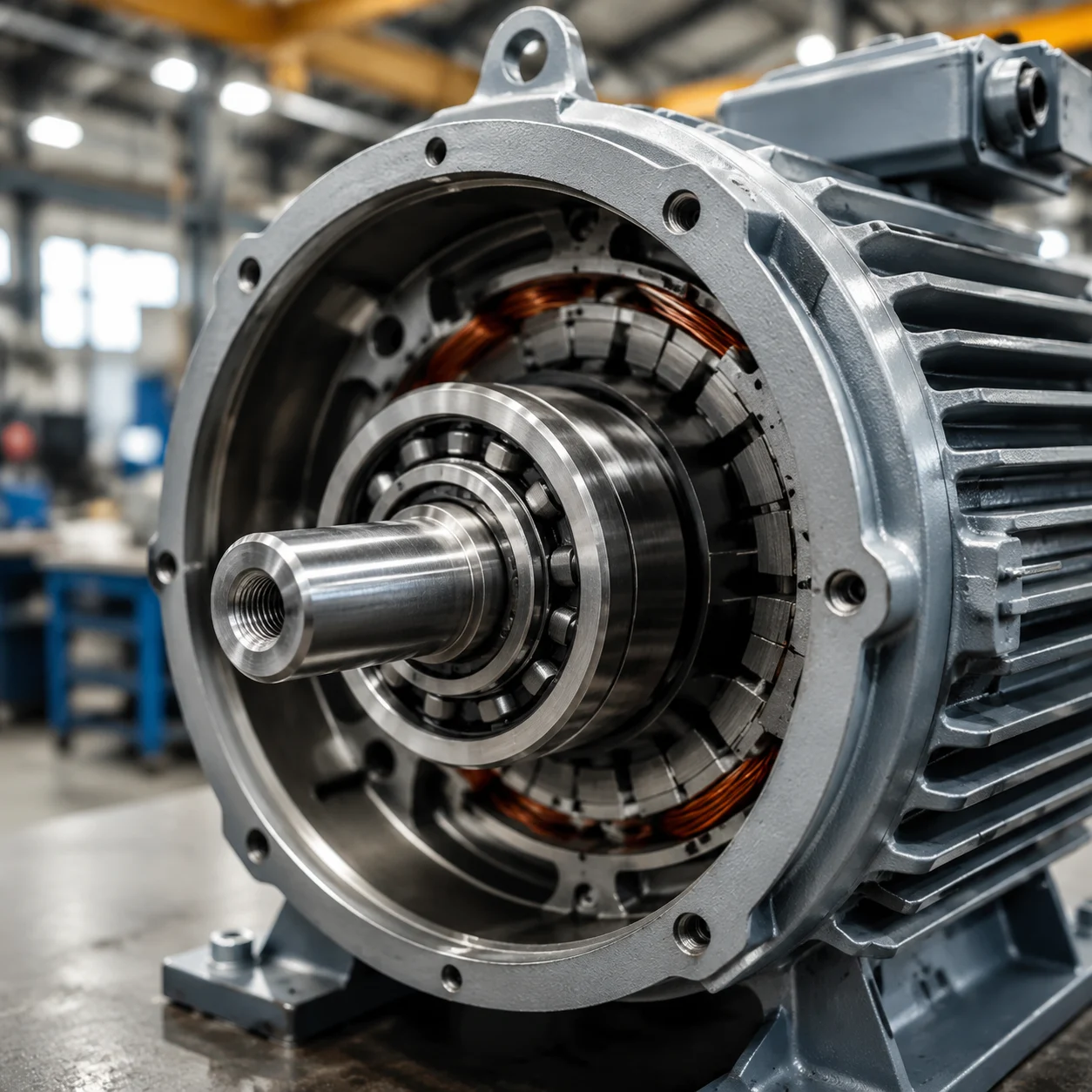
Industrial Electric Motors & Generators
Modern variable-frequency drives (VFDs) often generate stray electrical currents that travel through motor shafts. In standard bearings, this leads to electrical arcing and fluting—microscopic cratering that severely damages raceways and causes premature failure.
Hybrid ceramic ball bearings utilizing Si3N4 rolling elements provide 100% electrical insulation, effectively stopping these damaging currents. By eliminating electrical erosion, these bearings can extend motor lifespan by up to 5 times, making them the preferred choice for traction motors and heavy-duty industrial pumps.
- ✓ Completely prevents VFD-induced electrical fluting
- ✓ Significantly extends maintenance and re-greasing intervals
- ✓ Direct drop-in replacement for standard steel bearings
Medical Devices & MRI Equipment
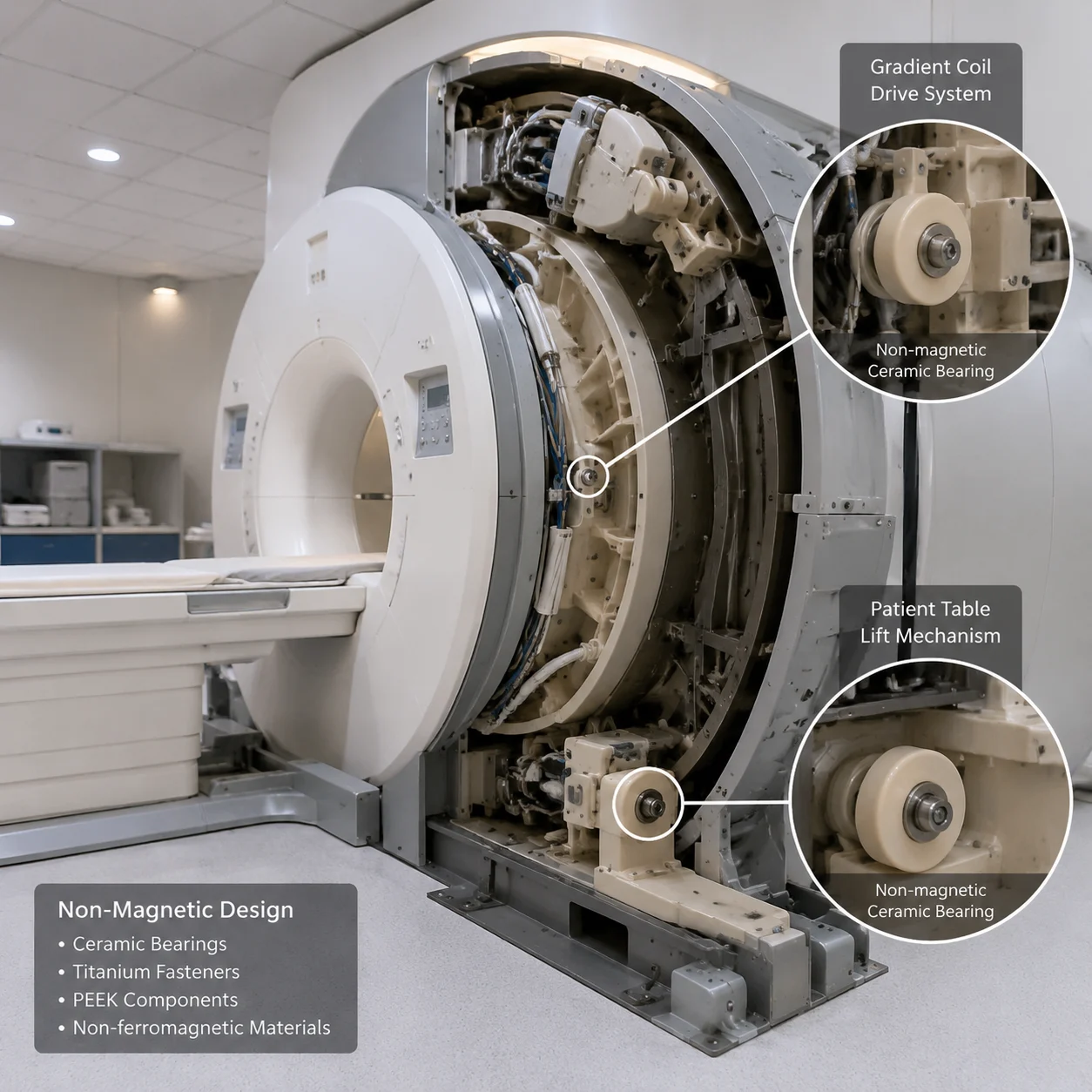
Medical imaging systems like MRI scanners operate within intense magnetic fields where standard ferromagnetic steel bearings pose severe safety risks and cause imaging artifacts. Similarly, high-speed surgical tools demand sterile, reliable operation.
Full ceramic bearings are completely non-magnetic and create zero interference in electromagnetic environments. Furthermore, they are highly resistant to corrosion and can withstand rigorous autoclave sterilization cycles. For dental handpieces reaching over 300,000 RPM, the extreme hardness and low friction of Si3N4 make it the only viable material.
- ✓ 100% non-magnetic properties for MRI safety
- ✓ Withstands repeated autoclave sterilization without rusting
- ✓ Dry-running capabilities ideal for critical sterile environments
Aerospace & High-Speed Spindles
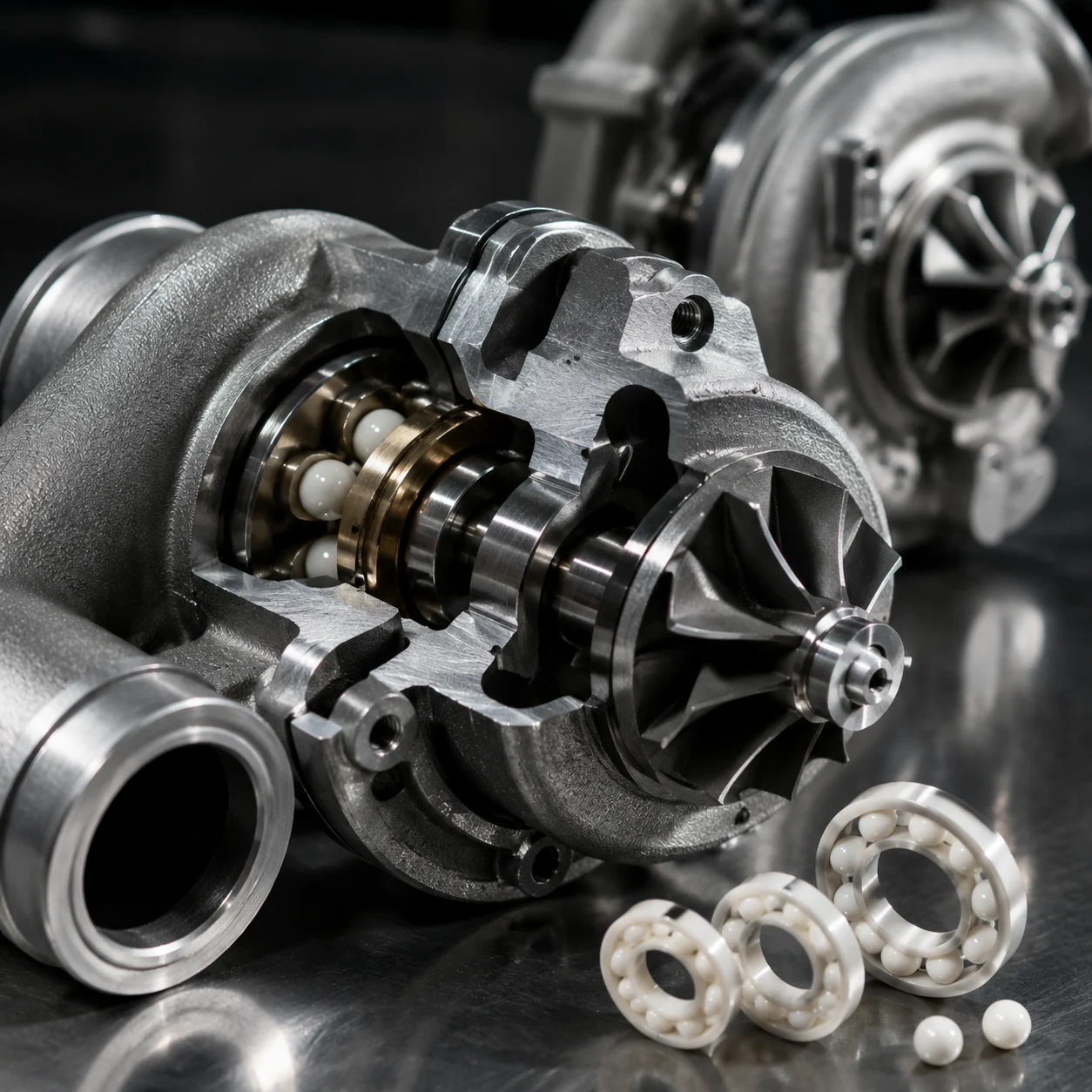
In aerospace auxiliary power units, high-performance turbochargers, and precision CNC spindles, bearings are subjected to extreme rotational forces. Heavy steel balls generate immense centrifugal force at high RPMs, increasing heat and rapidly degrading lubricants.
Si3N4 ceramic balls are significantly lighter than steel. This lower mass translates to reduced centrifugal stress, allowing high-speed spindle bearings to achieve exceptional RPMs with lower operating temperatures. Their superior resistance to thermal shock ensures dimensional stability even during rapid, extreme temperature fluctuations.
- ✓ Ultra-lightweight balls reduce internal centrifugal loading
- ✓ Maintains dimensional stability during rapid thermal cycling
- ✓ Enables dramatically higher operating speeds for precision machinery
Chemical Processing & Vacuum Systems
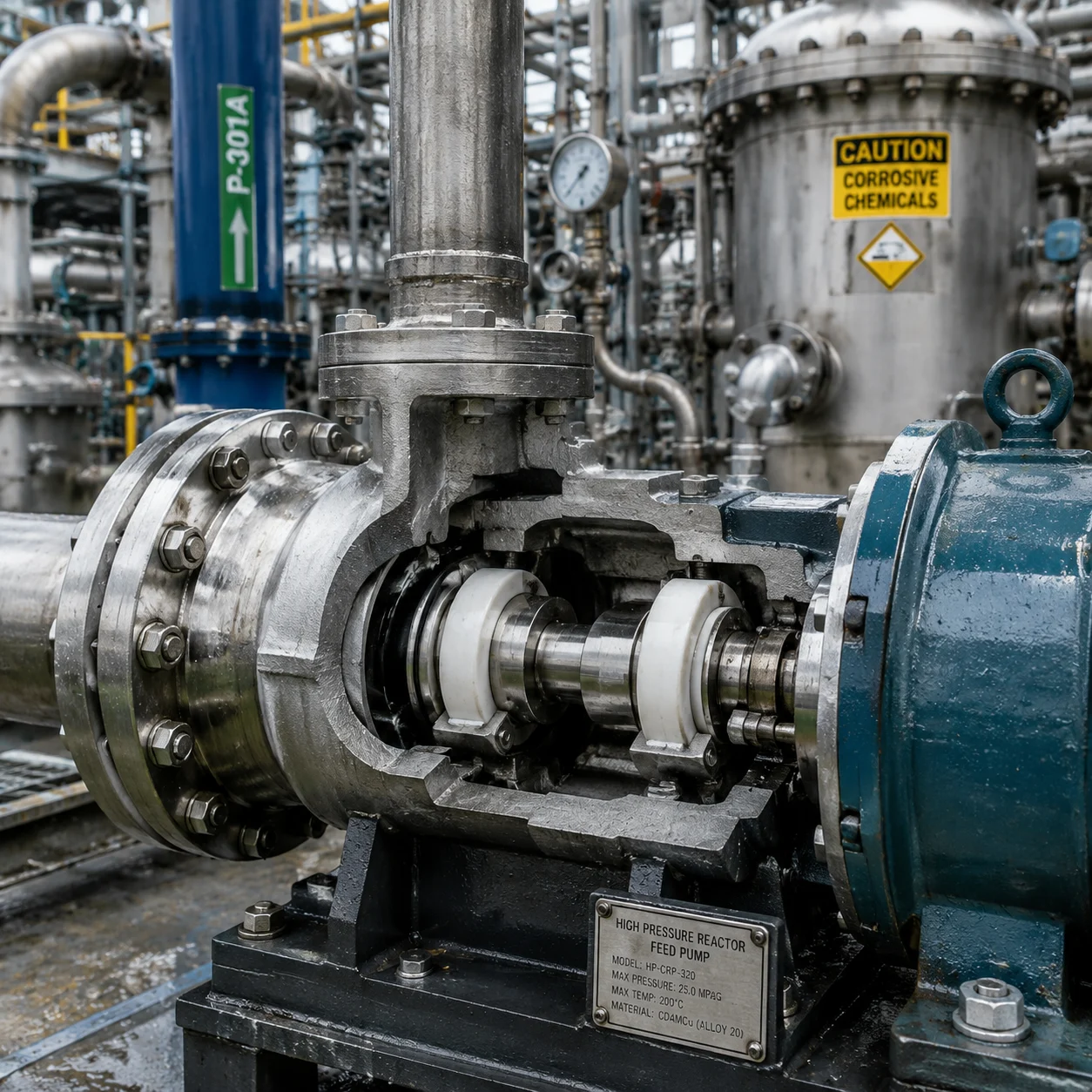
Pumps processing aggressive acids or harsh solvents quickly destroy traditional steel bearings and lubricants. In these environments, chemical corrosion compromises performance and risks severe contamination of sensitive batches.
Full ceramic bearings made of ZrO2 provide exceptional resistance against strong acids and alkalis. Because they require no traditional grease, they eliminate the risk of lubricant outgassing in high-vacuum systems, ensuring pure, uninterrupted processes for chemical manufacturing and semiconductor deposition chambers.
- ✓ Unmatched resistance to harsh acids, alkalis, and solvents
- ✓ Operates without grease, eliminating chemical contamination
- ✓ Highly reliable in high-vacuum, low-pressure environments
Semiconductor & Electronics Manufacturing
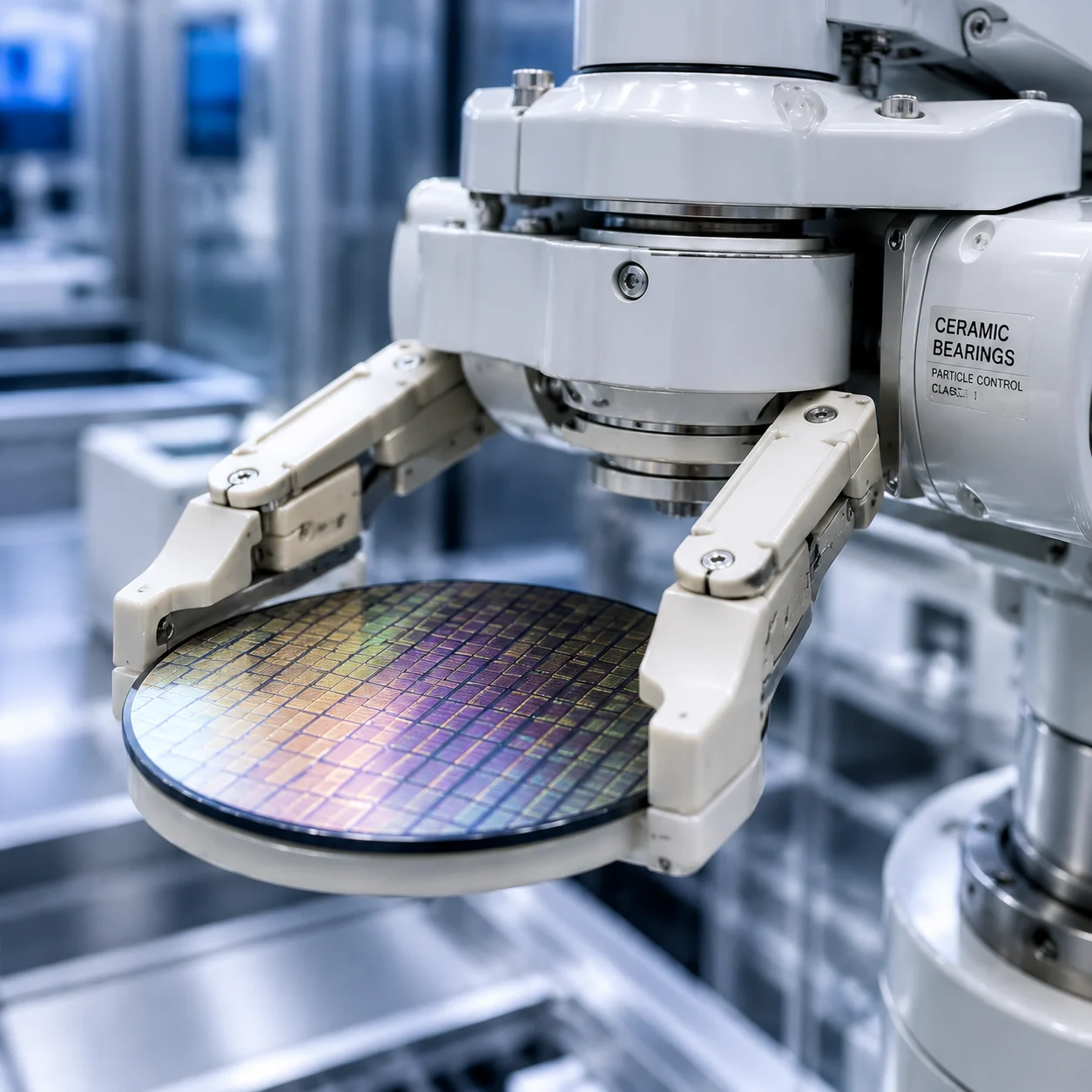
Wafer handling robots and delicate photolithography equipment demand flawless, sub-micron precision. Even the smallest micro-particles or hydrocarbon outgassing from traditional bearings can ruin highly valuable semiconductor wafer batches.
The inherently non-magnetic and electrically insulating bearings prevent electrostatic discharge (ESD) which could severely damage IC components. Furthermore, the ultra-smooth finish of ceramic balls generates almost zero particulate matter, easily complying with strict cleanroom ISO class standards.
- ✓ ISO Class cleanroom compatible with ultra-low particulate shedding
- ✓ ESD-safe materials protect sensitive electronic assemblies
- ✓ Lubricant-free operation preserves high-value wafer purity
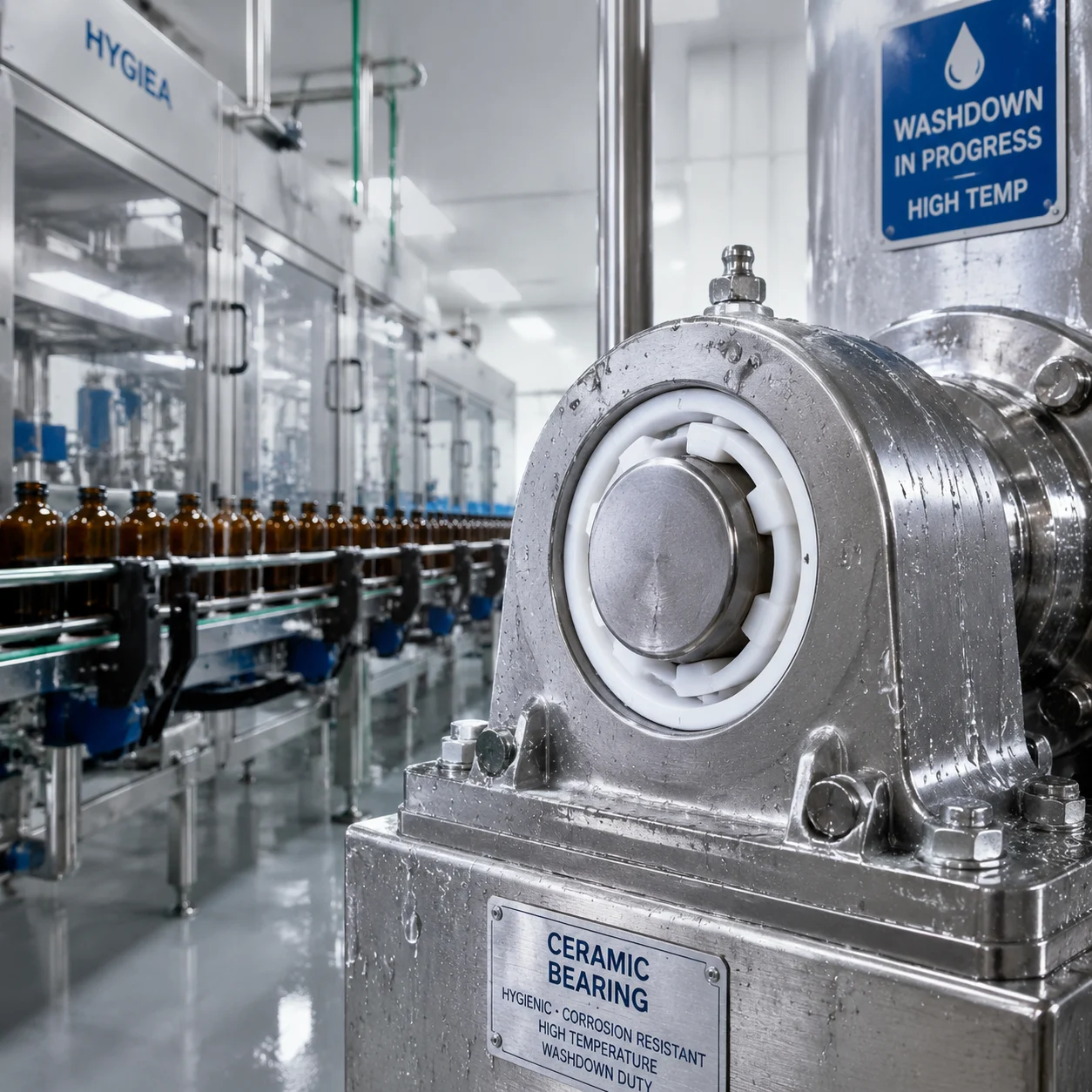
Food Processing & Pharmaceutical Production
Production lines in food and pharma industries undergo aggressive washdowns and strict sterilization protocols. Steel bearings are prone to rust and require heavy lubrication, creating serious hygienic risks and frequent maintenance issues.
Choosing corrosion-resistant ceramic bearings, particularly FDA-compatible ZrO2 variants, solves these challenges. They withstand severe CIP/SIP washdowns without degrading and completely remove the risk of rust or metallic contamination, ensuring end-product safety and equipment longevity.
- ✓ FDA-compatible ZrO2 material ensures sanitary processing
- ✓ Impervious to aggressive steam sterilization and caustic washes
- ✓ Absolutely no rust or grease contamination risks
The Technical Advantage: Why Extreme Environments Demand Ceramics
Superior Extreme Temperature Performance
Conventional bearing steel typically degrades rapidly above 150°C. In contrast, advanced Si3N4 ceramic retains its core mechanical strength at temperatures reaching up to 800°C. This makes extreme environment bearings critical for applications like industrial kilns, glass forming, and aerospace turbines where steel would fail catastrophically.
Additionally, Si3N4 has a much lower coefficient of thermal expansion compared to steel. This ensures that the bearing maintains strict internal clearances during aggressive temperature swings, preventing seizure and preserving precision accuracy over long operational cycles.
Favorable Total Cost of Ownership (TCO)
While the initial investment in high-performance bearings made from ceramics is higher, the long-term TCO is substantially lower. For example, replacing steel bearings damaged by electrical fluting in VFD motors with hybrid ceramics often pays for itself within 12 to 18 months by eliminating costly unplanned downtime and reducing the frequency of maintenance labor.
In severe chemical pump applications, swapping frequently failing steel bearings for highly durable full ceramic alternatives means fewer part replacements, negligible lubricant costs, and vastly improved overall machine uptime. The superior lifespan justifies the initial cost.
Ceramic Bearing Application Quick-Reference Guide
Review this table to align your industry challenges with the correct ceramic bearing type. JN Bearings' technical support team is available to assist with material selection and supply detailed datasheets tailored to your requirements.
| Industry / Application | Primary Challenge | Recommended Bearing Type | Material Specification | Key Advantage |
|---|---|---|---|---|
| Industrial Electric Motors | VFD stray current / arcing damage | Hybrid Ceramic Bearings | Si3N4 balls, steel rings | Complete electrical insulation |
| MRI & Medical Imaging | Magnetic field disruption | Full Ceramic Bearings | ZrO2 or Si3N4 (all ceramic) | Non-magnetic, safe for imaging |
| Aerospace & High-Speed Spindles | High centrifugal stress & heat | Hybrid Ceramic Bearings | Si3N4 balls, specialty rings | Low mass enables ultra-high RPMs |
| Chemical Pumps & Piping | Aggressive acid/alkaline corrosion | Full Ceramic Bearings | ZrO2 (all ceramic) | Exceptional corrosion resistance |
| Semiconductor Fabrication | Particulate contamination & ESD | Full Ceramic Bearings | Si3N4 (all ceramic) | Cleanroom compatible, ESD-safe |
| Food & Pharma Processing | Sanitation and rust prevention | Full Ceramic Bearings | ZrO2 (FDA-compatible) | Endures harsh steam washdowns |
| High-Vacuum Environments | Lubricant outgassing | Full Ceramic Bearings | Si3N4 or ZrO2 | Reliable grease-free operation |
Engineering the Right Ceramic Solution for You
Pinpointing the correct ceramic bearing application requires evaluating multiple operational variables, including target RPM, temperature extremes, potential chemical exposure, and specific load requirements. For applications facing one or two harsh conditions—like high speed and stray electrical currents—a hybrid ceramic bearing typically offers the best cost-to-performance ratio. Conversely, when confronted with multiple extreme factors, such as strong acids in a high-temperature sterile environment, a full ceramic bearing is the definitive choice for long-term reliability.
As a trusted global supplier, JN Bearings is equipped to support all the critical industries mentioned above. We offer an extensive catalog of standard sizes as well as specialized custom ceramic bearings engineered precisely to your unique specifications. Our experienced technical team evaluates your operating environment to recommend the optimal material grade, tolerance, and lubrication strategy, ensuring superior performance from day one.
Whether you require immediate delivery from our standard stock or need custom ceramic bearings developed rapidly for a new prototyping project, JN Bearings is your reliable manufacturing partner. We focus on providing efficient supply chains, strict quality control, and actionable technical support to minimize your downtime and maximize equipment longevity.
Need a Specialized Bearing Solution?
Share your specific operational challenges—including speed, load, and environment—with JN Bearings. Our technical experts will recommend the ideal high-performance bearing and supply a competitive quote within 24 hours.
Ceramic vs. Steel Bearings: A Full Performance Comparison
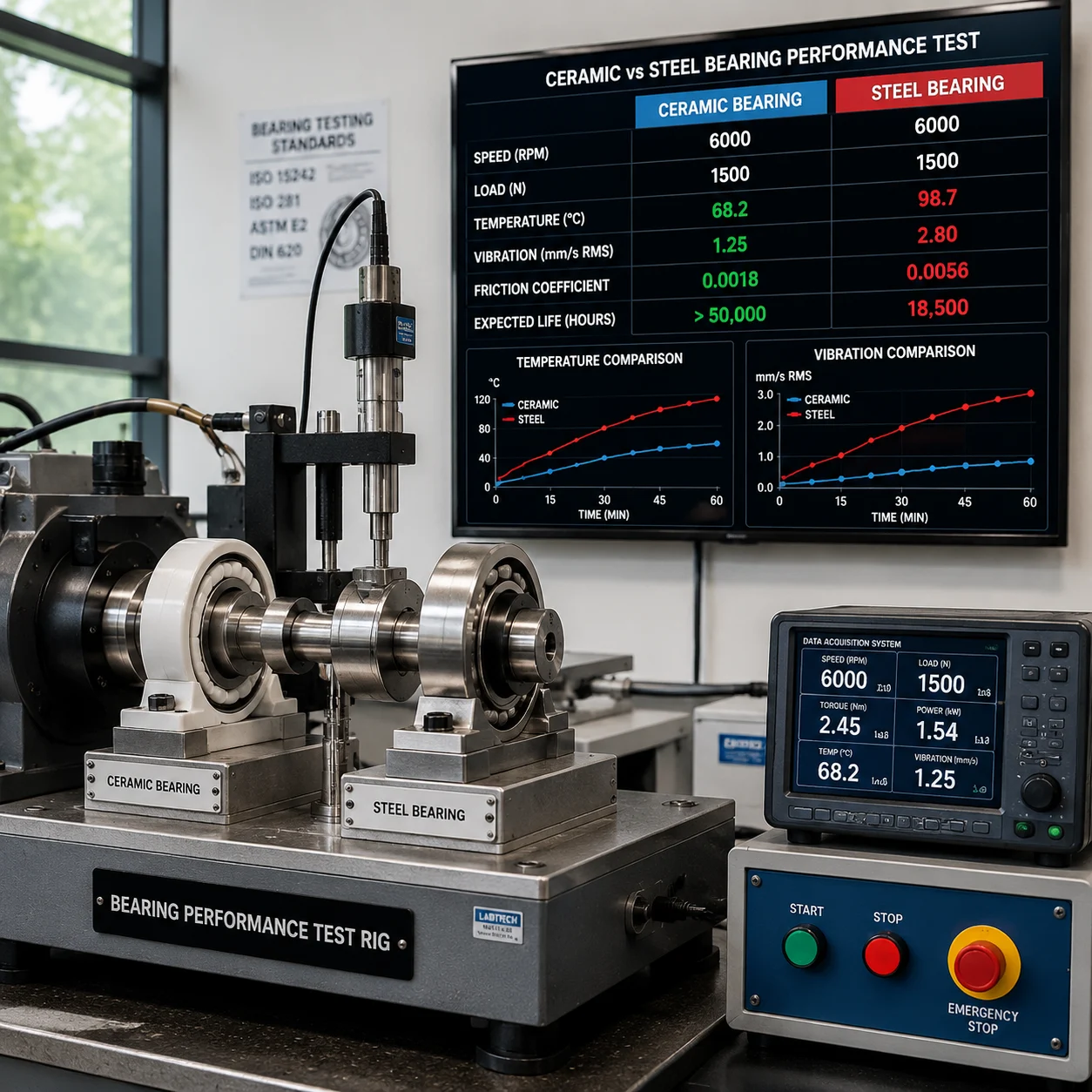
Understanding the real-world performance gap between high-performance ceramic ball bearings and conventional steel bearings helps engineers and procurement teams make smarter, long-term capital decisions.
Steel bearings have served industry reliably for over a century. However, as operating speeds increase, environments grow harsher, and downtime costs escalate, the physical limitations of steel become tangible liabilities. Ceramic ball bearings—particularly those made from silicon nitride (Si3N4) or zirconia (ZrO2)—offer measurable advantages that translate directly into lower operating costs and extended service intervals.
The comparison below covers the six most critical performance dimensions evaluated by mechanical engineers and plant managers when selecting a bearing solution. Each metric reflects real engineering data, not marketing estimates. When reviewing total cost of ownership (TCO), the upfront price premium of ceramic bearings consistently yields net savings over a 3–5 year operational window.
| Performance Metric | JN Bearings Ceramic Ball Bearings | Standard Steel Ball Bearings |
|---|---|---|
| Density / Weight | ~3.2 g/cm³ (Si3N4) ~60% lighter than steel balls | ~7.8 g/cm³ Higher centrifugal force at speed |
| Maximum Speed (DN Value) | Up to 3× higher DN Ideal for precision spindles & turbines | Standard DN limit Heat & centrifugal force restrict speed |
| Coefficient of Friction | ~30–50% lower Reduced heat generation & energy loss | Baseline friction Higher lubricant demand |
| Electrical Conductivity | Non-conductive (insulating) Eliminates electro-erosion & arc damage | Electrically conductive Vulnerable to stray current damage |
| Corrosion Resistance | Excellent — acid & alkali resistant Suitable for chemical & wet environments | Susceptible to rust & oxidation Requires protective coatings or seals |
| Max Operating Temperature | Up to 1,000°C (Si3N4) Low thermal expansion; stable at extremes | ~150–200°C (standard steel) Rapid hardness loss above threshold |
| Magnetic Properties | Non-magnetic Required for MRI, semiconductor tools | Ferromagnetic Interferes with magnetic-sensitive equipment |
| Service Life (Relative) | 5–10× longer in harsh environments Less wear, fewer replacements | Baseline service life Faster wear under demanding loads |
| Unit Price Range | Higher initial cost Offset by dramatically lower TCO | Lower unit price Higher lifetime maintenance spend |
Why the Speed Advantage Changes Everything
At high rotational speeds, the centrifugal force exerted by each ball against the outer raceway grows exponentially with ball mass. Because silicon nitride ceramic balls weigh roughly 60% less than steel balls of the same diameter, the contact stress on the raceway drops dramatically. This allows high-speed ceramic bearings to sustain DN values up to three times higher than equivalent steel designs—without overheating or premature fatigue.
For CNC machining centers, dental turbines, and aerospace gyroscopes, this speed ceiling is not a theoretical luxury—it is a direct prerequisite for product performance. Attempting to push a steel bearing beyond its DN rating accelerates wear, increases lubricant degradation, and shortens mean time between failures (MTBF) sharply.
- Lower operating temperature reduces lubricant consumption and seal wear simultaneously.
- Reduced friction coefficient lowers motor energy draw, contributing to measurable energy savings.
- Harder surface (Mohs ~9) resists micro-pitting and rolling contact fatigue that erode steel raceways.
Understanding Total Cost of Ownership (TCO)
The most common objection to high-performance ceramic bearings is purchase price. While JN Bearings manufactures excellent steel bearings, we recommend our ceramic line when specific operational environments demand superior friction reduction and insulation. A hybrid ceramic bearing can cost 3–5× more per unit than a comparable steel bearing. However, this comparison is incomplete without accounting for the full operational lifecycle.
Consider a high-speed electric motor running 24/7 in a manufacturing plant. A standard steel bearing may require replacement every 6–12 months due to electro-erosion from variable-frequency drive (VFD) stray currents. Each replacement involves not only the bearing cost but also scheduled downtime, labor, and potential production losses. An electrically insulated ceramic bearing from JN Bearings eliminates the root cause entirely—with a service life of 3–5 years in the same application.
Across a 5-year window, the math almost always favors ceramics when any of the following cost factors apply:
- Unplanned downtime costs exceed $1,000/hour
- Lubrication intervals require frequent scheduled maintenance
- Corrosive media or cleaning agents degrade steel bearing surfaces
- Equipment operates at speeds approaching or above rated steel DN limits
- VFD-driven motors subject bearings to recurring electrical discharge
When Should You Specify Ceramic Over Steel?
Not every application demands a ceramic bearing. Below is a practical decision framework engineers at JN Bearings use to guide material selection for new and replacement bearing projects. For more standard bearing options, compare our deep-groove ball bearings to determine the best fit for your application.
Electrical Isolation Required
VFD motors, traction systems, and wind turbines generate shaft currents that destroy steel bearings through fluting and pitting. Ceramic hybrid bearings break the current path completely.
Ultra-High Speed Operation
Precision CNC spindles, dental handpieces, and aerospace gyroscopes need to spin well beyond standard steel DN values. Low-friction ceramic bearings provide the speed headroom safely.
Aggressive Chemical Exposure
Pumps, mixers, and reactors in chemical processing or food production demand corrosion-resistant bearings. Full ceramic ZrO2 bearings run dry in acid and alkali media indefinitely.
Magnetic-Free Environments
Medical MRI systems, semiconductor lithography tools, and scientific instruments cannot tolerate ferromagnetic components. Non-magnetic ceramic bearings are the only viable solution.
Extreme Temperature Ranges
Furnace equipment, aerospace engines, and cryogenic systems push far beyond steel's thermal limits. Si3N4 ceramic bearings maintain dimensional stability from cryogenic temperatures up to 1,000°C.
High Downtime Cost Sensitivity
Any facility where unplanned shutdowns cost thousands per hour should factor in extended bearing life. The higher unit price of ceramic becomes insignificant against even one avoided production interruption.
Ready to Switch to High-Performance Ceramic Bearings?
JN Bearings' technical sales team can evaluate your application parameters and recommend the optimal ceramic bearing configuration — with full TCO analysis available on request.
Specialized Manufacturing & Global Supply
Based in Jinan, China, JN Bearings combines dedicated ceramic production capabilities with strict quality control to deliver custom ball bearing solutions worldwide.
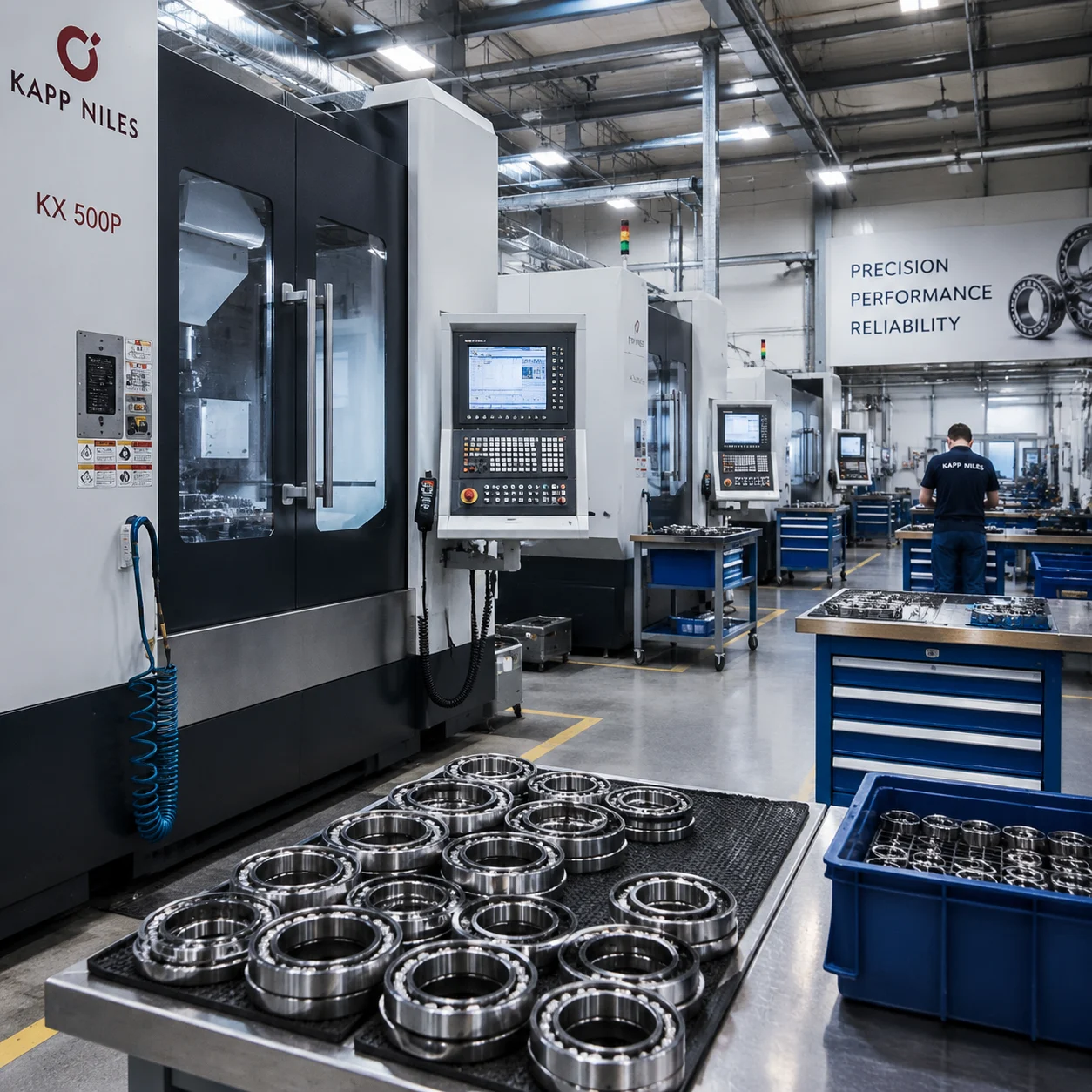
Precision Engineering for High-Performance Environments
Our Manufacturing Edge
Dedicated Ceramic Production
Equipped with specialized CNC grinding and polishing machinery tailored for high-hardness materials like Si3N4 and ZrO2, ensuring precise raceway geometry.
Custom OEM & ODM Services
We engineer non-standard dimensions, specific cage materials (PEEK, PTFE), and optimal clearances to match your precise application requirements.
Efficient Global Supply Chain
Our streamlined manufacturing process and extensive raw material inventory allow for rapid prototyping and reliable high-volume order fulfillment globally.
Rigorous Quality Control
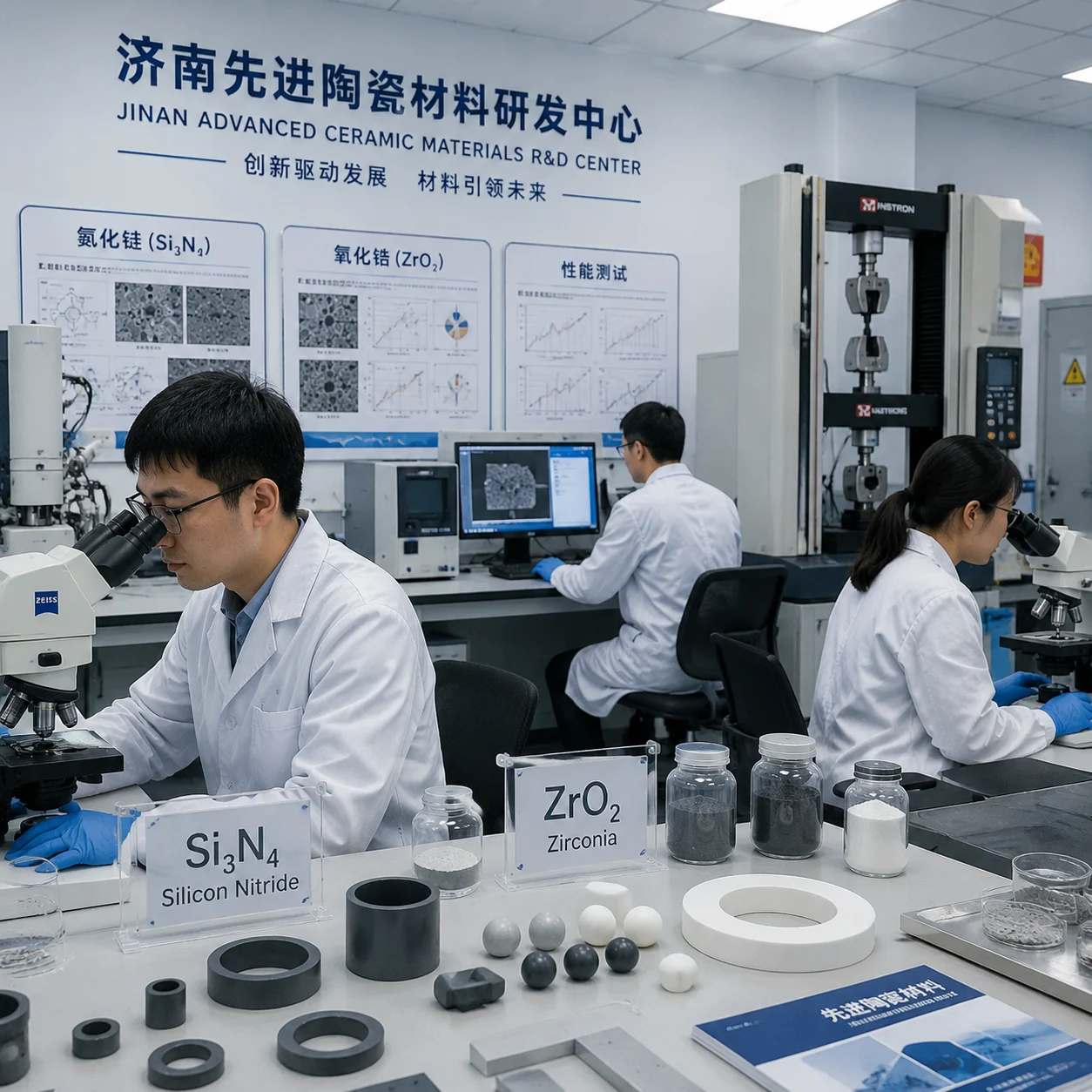
Raw Material Verification
Every batch of steel and ceramic elements undergoes comprehensive testing to ensure maximum fatigue strength and flawless internal structure.
- Spectrometric analysis for steel rings
- Density and fracture toughness checks for ceramic balls
- Strict adherence to international material standards
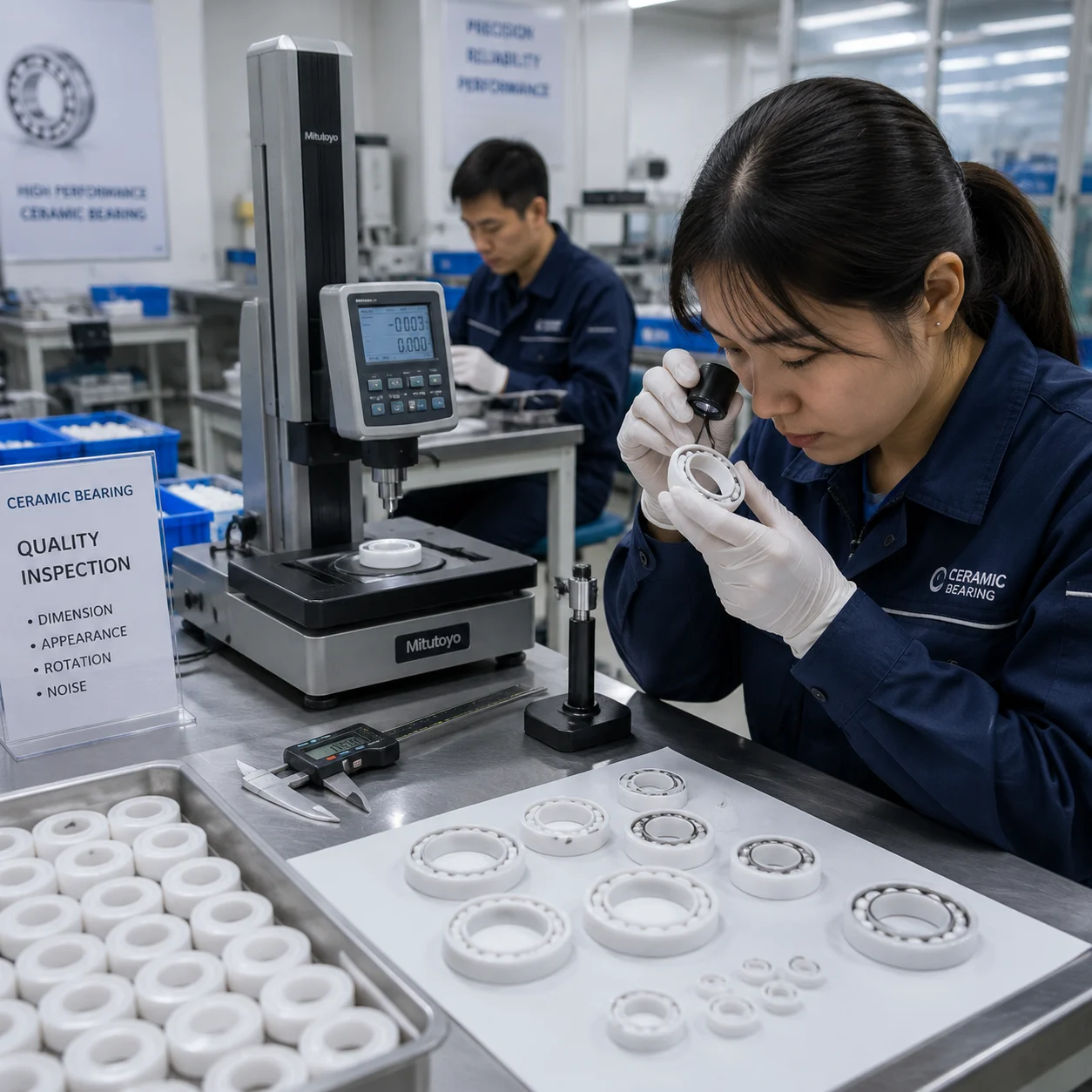
In-Process Tolerance Control
To guarantee ABEC precision ratings, we employ continuous monitoring of raceway curvature, roundness, and surface finish throughout grinding phases.
- Laser dimension measuring and CMM inspections
- Real-time Statistical Process Control (SPC)
- Micro-inch surface roughness mapping
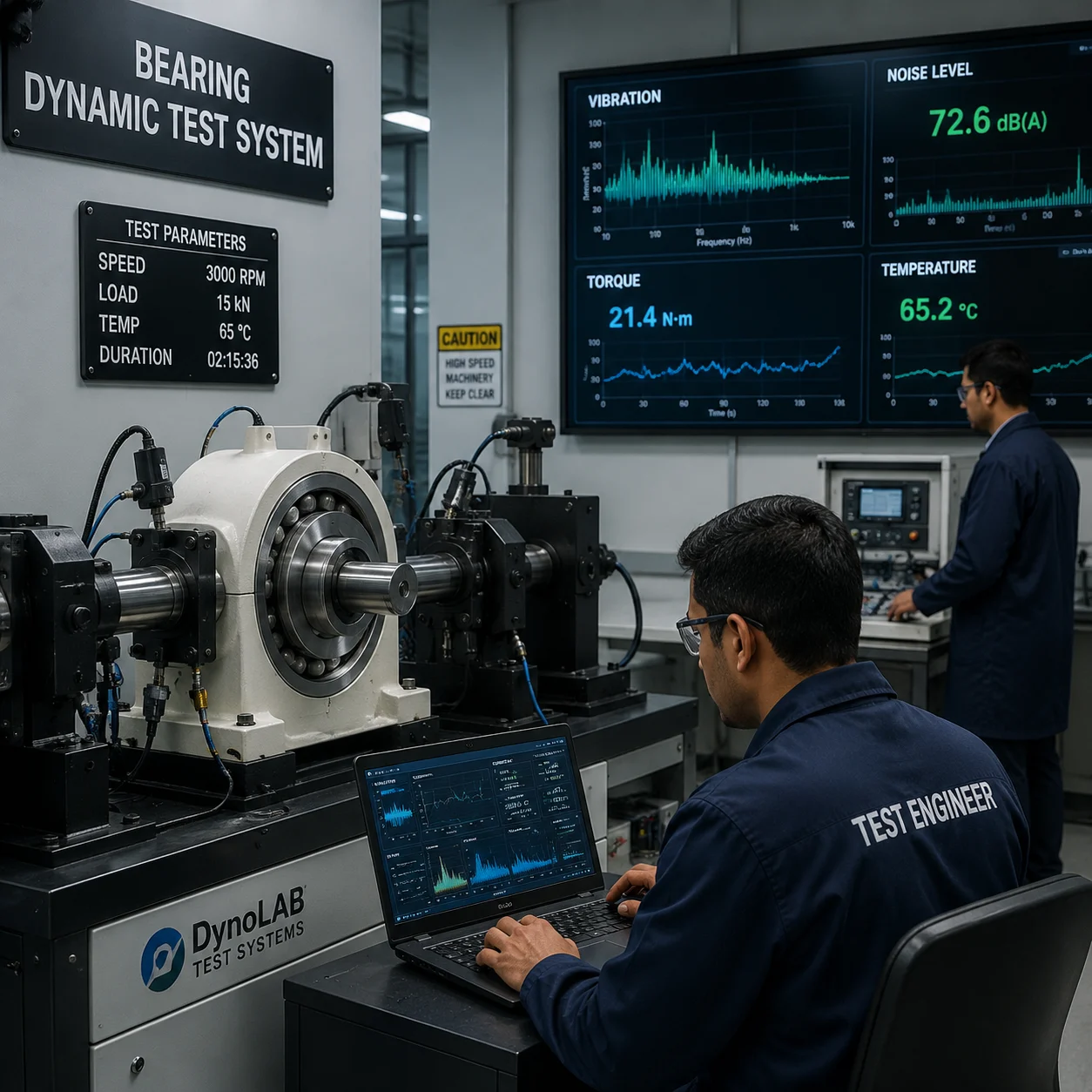
Final Performance Audit
Every hybrid and full ceramic bearing must pass rigorous dynamic testing to guarantee low friction, low noise, and maximum operational reliability.
- Vibration and noise level measurement (Z and V grades)
- Radial clearance and rotational torque verification
- 100% pre-shipment visual and functional inspection
ISO Compliant Manufacturing
Quality Systems
Tolerance Grades
Vibration Levels
Material Compliance
Years of Manufacturing Expertise
Traceable Raw Materials
Custom Engineering Support
Technical Sales Response
Need a Reliable Custom Ball Bearing Supplier?
Partner with JN Bearings for direct factory pricing and expert engineering support. We deliver specialized ceramic solutions optimized for your exact requirements.
Ceramic Ball Bearings Technical Support
Find detailed answers regarding hybrid vs. full ceramic selection, high-speed lubrication, dynamic load ratings, and custom manufacturing solutions from JN Bearings experts.
Selecting the right ceramic bearing configuration depends entirely on your operational challenges, such as speed, chemical exposure, or stray electrical currents. Here is a practical breakdown to guide your choice:
- Hybrid ceramic bearings consist of steel inner and outer rings paired with silicon nitride (Si3N4) rolling elements. They are primarily engineered to prevent electrical arcing in VFD-controlled motors and dramatically increase maximum RPMs for machine tool spindles. They offer outstanding cost-to-performance efficiency for most industrial upgrades.
- Full ceramic bearings feature both races and balls made entirely of advanced ceramics like Si3N4 or Zirconia (ZrO2). They are strictly reserved for extreme environments where steel cannot survive—such as submersion in strong acids, high-vacuum semiconductor chambers, ultra-high temperatures exceeding 400°C, or non-magnetic medical applications like MRI machines.
Still uncertain about the best match? Provide JN Bearings with your working temperature, target RPM, load capacity needs, and environmental conditions. Our technical team will recommend the optimal bearing design tailored to your specific application.
Need Expert Engineering Advice?
Submit your specific environmental constraints, RPM targets, and load requirements. Our technical team guarantees a precise, customized response within 24 hours.
- sales@jnbearings.com
- +86 139 5409 1520
- Factory Building A5, Jinan, China
Material Quick Specs
- Hardness (Si3N4): ~1,500 HV
- Density Factor: 40% lighter than steel
- Extreme Heat: Tolerant up to 1,000 °C
- Electrical Insulation:10¹² Ω·cm
- Custom Availability: Prototyping supported
- Manufacturing Precision: Up to ABEC-7 tolerances
Get Your Custom Ceramic Bearings Quote
Provide your required specifications, material types, or application scenarios. Our technical sales team will review your needs and reply within 24 hours.
Quick Inquiry Form
Your data is strictly confidential. Technical drawings and quotes provided within 24 hours. If you need to discuss details directly, please visit our contact page.
Email Us
sales@jnbearings.com
Fast technical response
+86 13954091520
Direct technical support
Factory Location
Building A5, Jinan, China
Specialized bearing manufacturing
Global Logistics
Worldwide Shipping
Efficient wholesale supply
15+
Years of
Expertise
ISO
Certified
Quality
24h
Quote
Turnaround