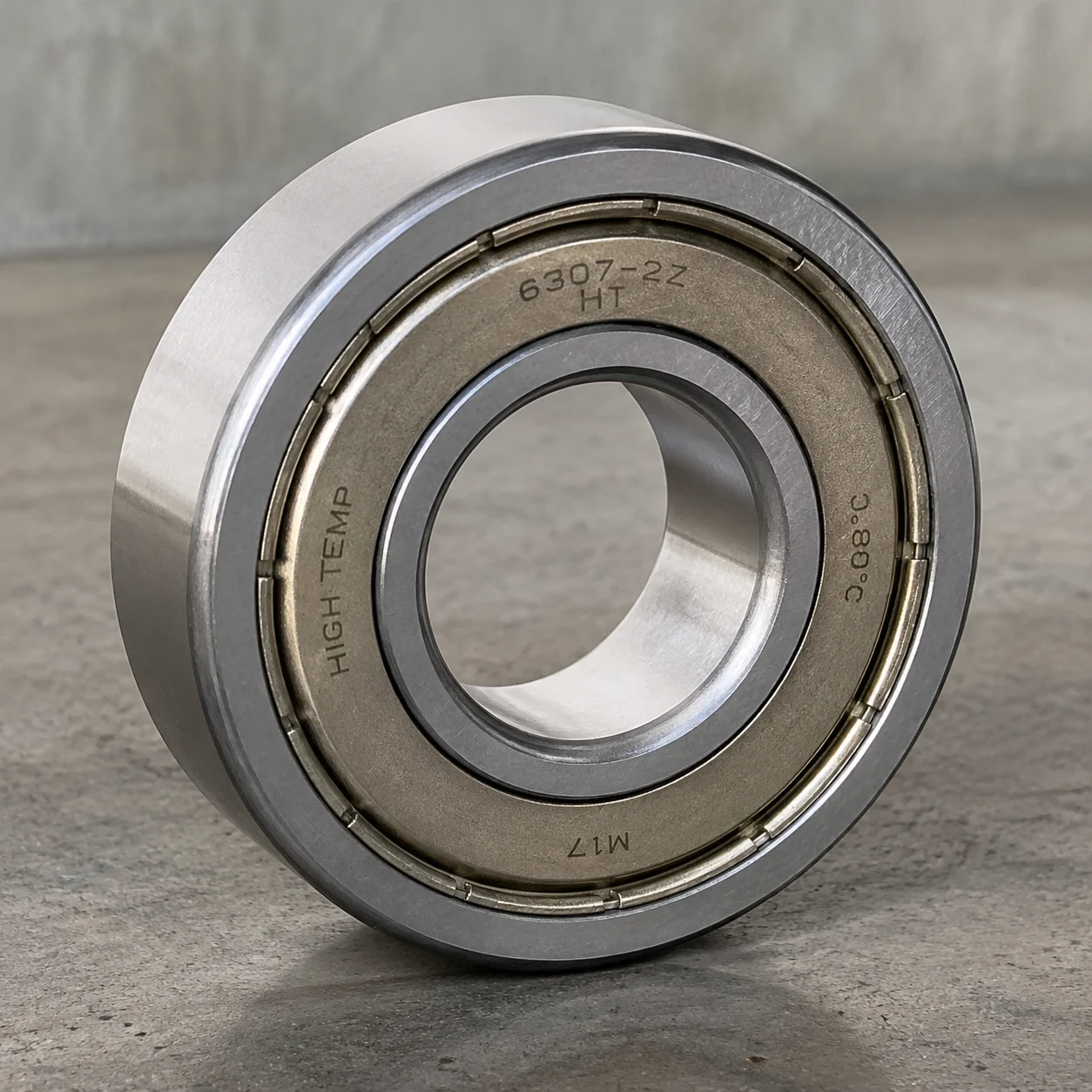
High Temperature Ball Bearings & Heat Resistant Bearings
Engineered by JN Bearings for extreme thermal environments, rapid thermal cycling, and dry-heat conditions. Our heat-stabilized steel and advanced high temperature grease configurations ensure continuous structural integrity where standard components fail.
Custom sizing, tailored clearance options (C3/C4), and specific sealing shield designs are fully adaptable to your exact speed, load, and kiln or conveyor application parameters.
Core Advantages & Engineering Differentiators
Why JN Bearings Outperform Standard Options in Severe Heat Resistant Applications
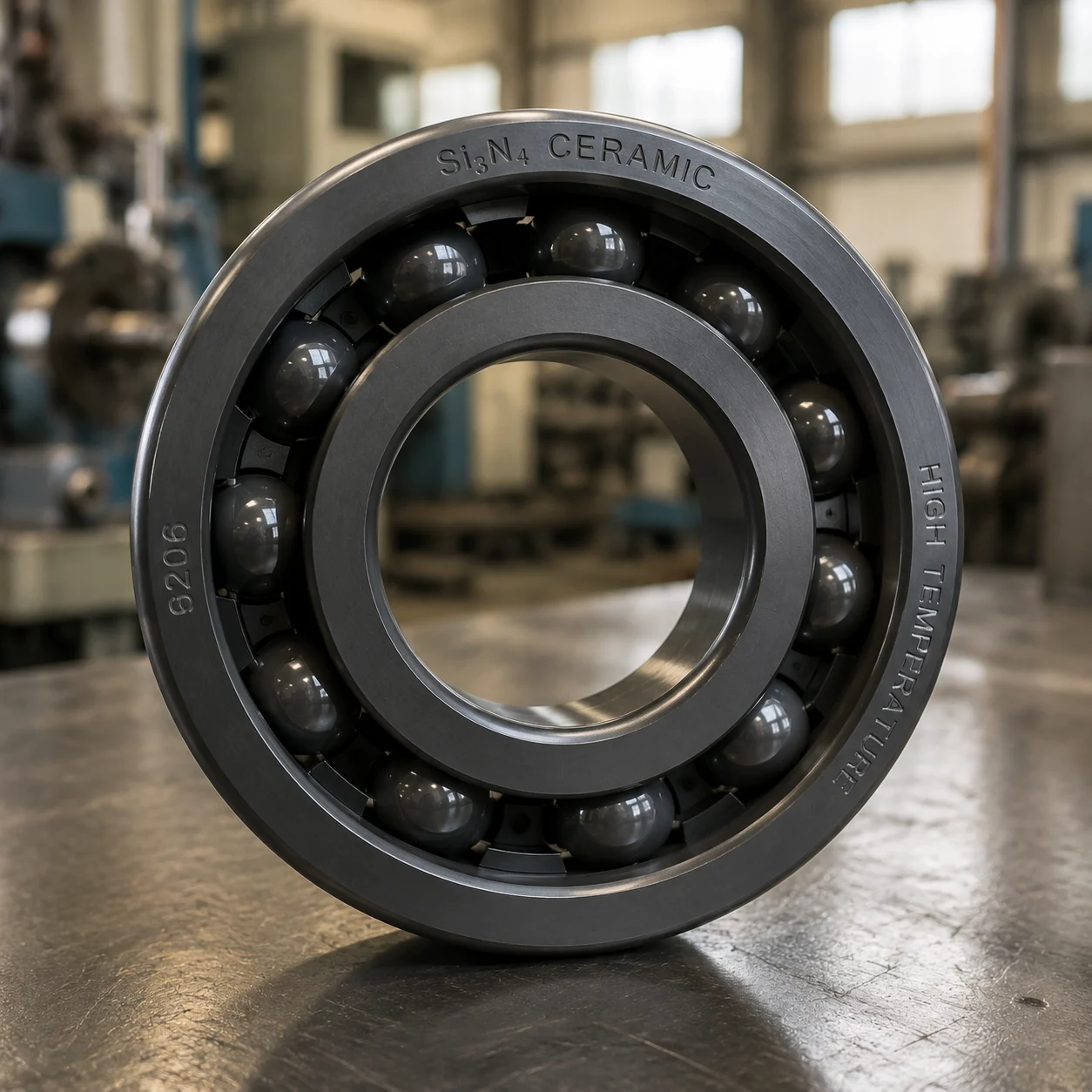
Advanced High Temp Grease & Lubrication
Challenge: Standard grease oxidizes and dries out under thermal strain, leading to seizure.
Solution: Specialized solid lubrication matrices that maintain film strength up to extreme limits.
Kiln fans, continuous high-rpm operations, and food processing ovens.
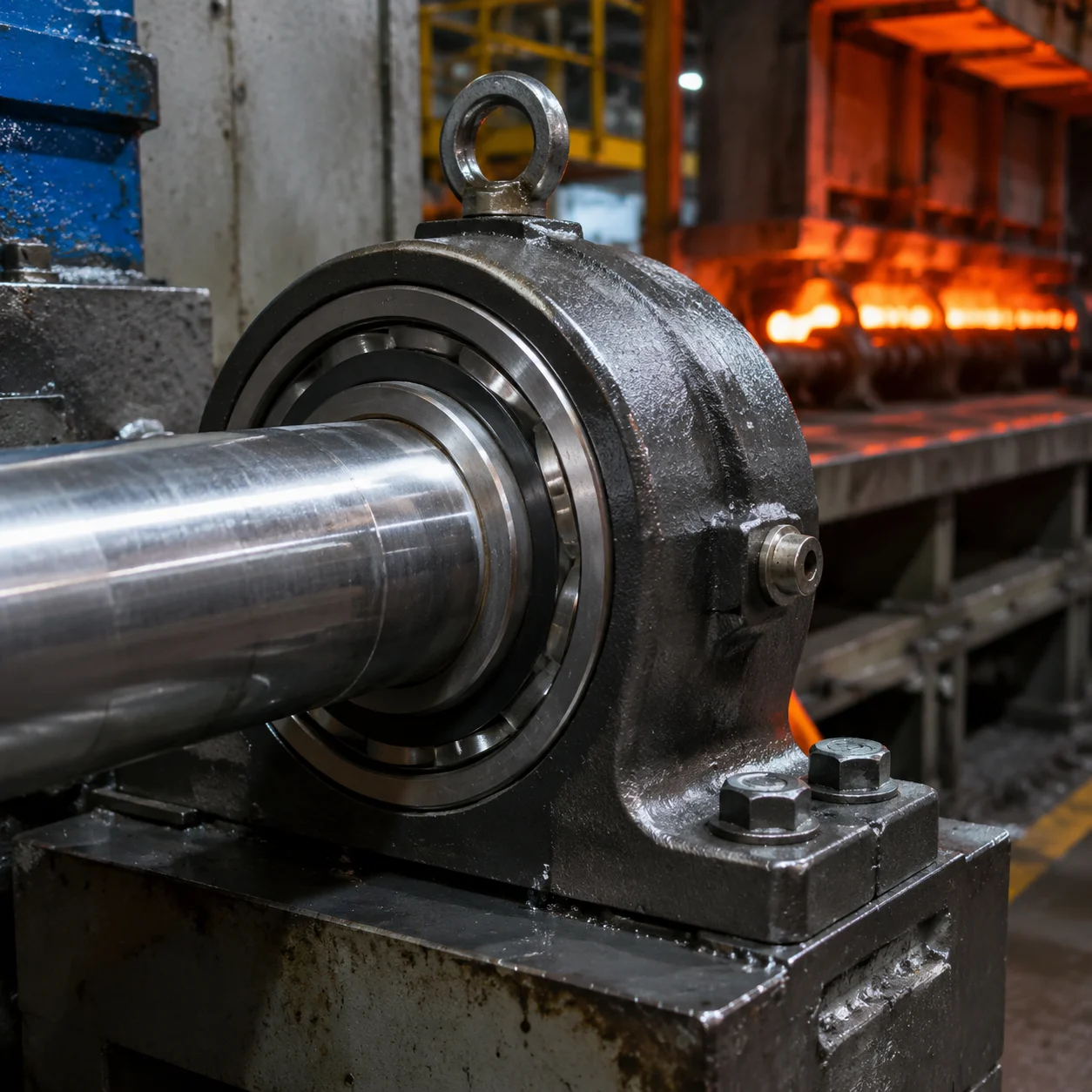
Heat-Stabilized Steel & Metallurgy
Challenge: Conventional steel undergoes microstructural degradation, causing dimension changes.
Solution: Precision alloys undergo meticulous tempering to guarantee structural integrity.
Severe thermal shock, industrial drying lines, and heat treatment lines.
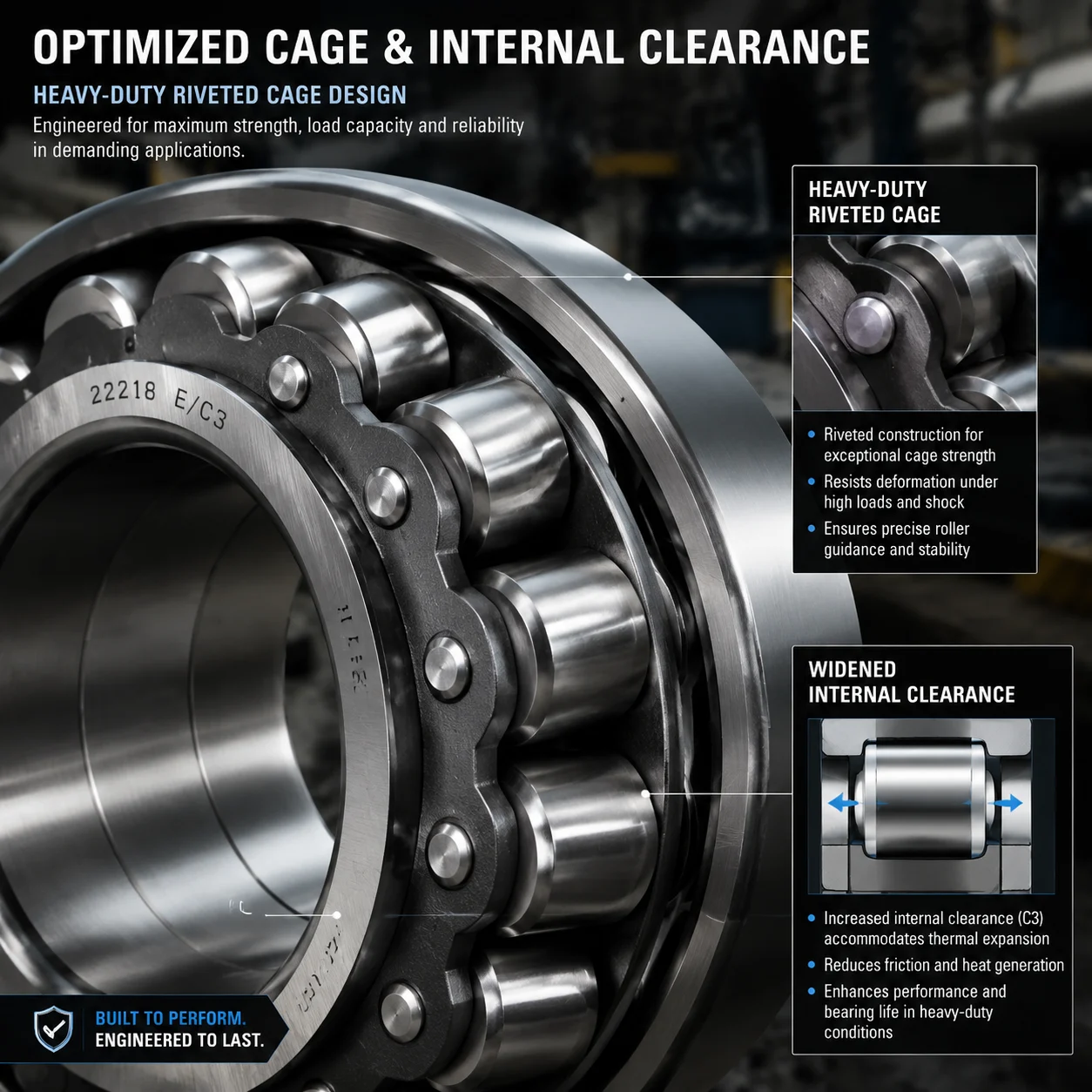
Optimized Cage & Clearance Profiles
Challenge: Thermal expansion narrows internal clearance, generating extreme friction.
Solution: Widened clearance (C3-C5) and heavy-duty riveted cages that prevent binding.
Heavy load oven conveyors, foundry machinery, and material handling.
Expert Manufacturing Tailored to You
As a dedicated ball bearing manufacturer and supplier of deep-groove ball bearings, JN Bearings strictly matches materials, custom internal clearances, and sealing configurations to your specific operations.
Our advanced engineering solutions dramatically lower component degradation, preventing unscheduled downtime and optimizing total cost of ownership across hot industrial processes, including demanding angular-contact-ball-bearings duty cycles.
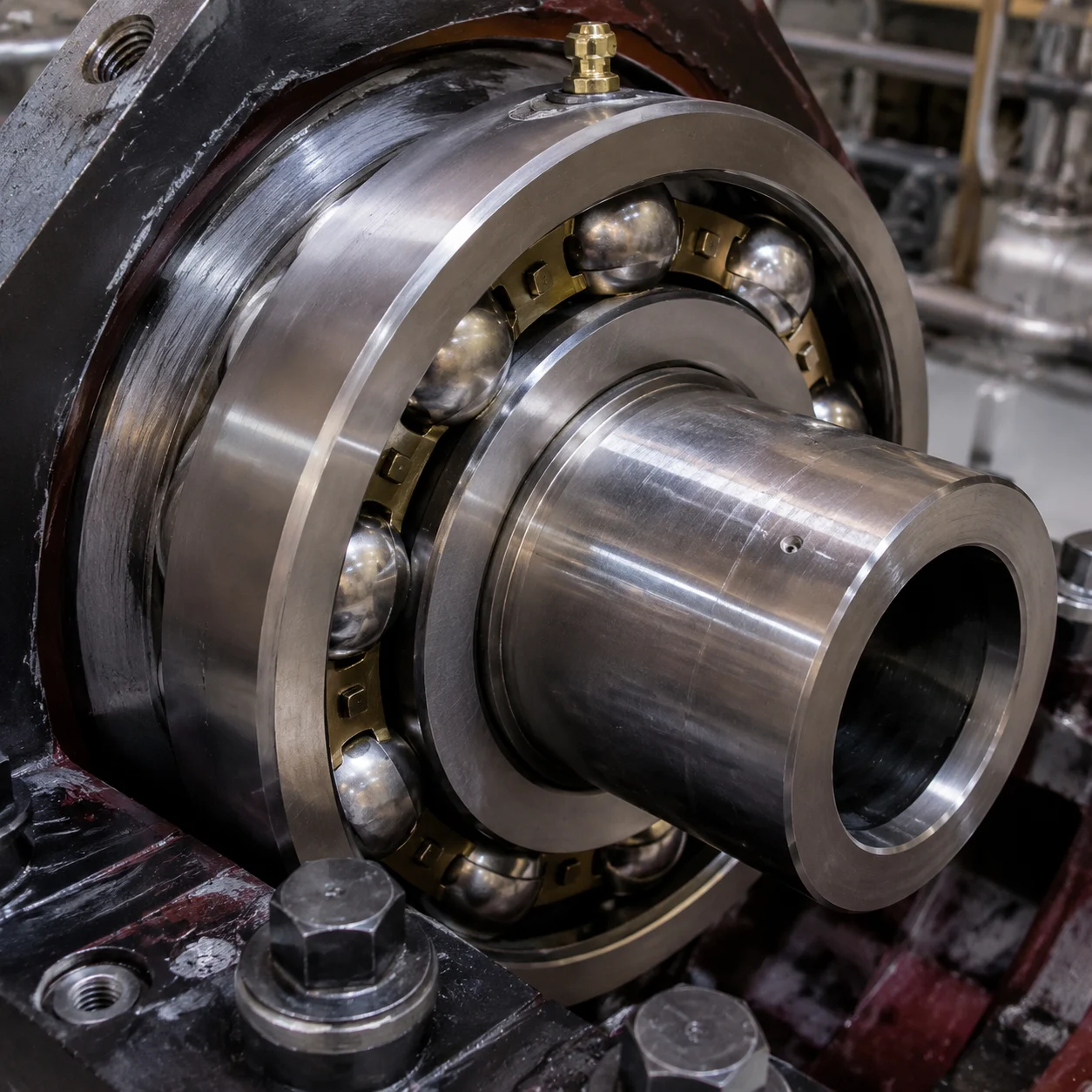
What Are High Temperature Ball Bearings: Defining Operational Boundaries
In extreme thermal environments, standard rolling elements quickly fail due to rapid grease oxidation, material annealing, and severe internal stress caused by uneven thermal expansion. High temperature ball bearings from JN Bearings are specifically engineered to maintain structural integrity, rotational precision, and predictable service life where conventional lubricants and steels degrade—especially in designs derived from deep groove ball bearings platforms.
Operating safely beyond the traditional 180°C threshold requires a precise combination of heat-stabilized steel, specialized radial internal clearance (such as C3 or C4), and advanced lubrication matrices—including high-temperature synthetic greases or solid-film graphite solutions. For higher-speed duty cycles, angular contact ball bearings architectures are often evaluated to maintain stability under combined loads.
By matching your specific thermal curves and load profiles with the correct heat resistant bearings, industrial operations can effectively mitigate unplanned downtime, extend maintenance cycles, and prevent catastrophic equipment seizures in critical heat-processing lines—particularly where axial forces may justify thrust ball bearings selection.
01 Key Operational Boundaries & Severe Challenges
- ◆ Continuous Thermal Exposure: Sustained operations exceeding 120°C up to specialized limits where standard grease bleeds and volatilizes.
- ◆ Frequent Thermal Cycling: Rapid heating and cooling phases that induce severe thermal shock and dimensional expansion mismatch between the shaft and housing.
- ◆ Lubricant Breakdown & Oxidation: Accelerated degradation of standard base oils, leading to dry friction, micro-welding, and premature race tracking.
- ◆ Material Softening: Traditional bearing steel loses its hardness when exposed to sustained high heat, drastically reducing the dynamic load rating.
02 When to Specify Heat Resistant Rolling Elements
- ■ Oven Conveyors & Drying Lines: Environments combining continuous dry heat, heavy particulate contamination, and slow-speed rotation.
- ■ Kiln Fans & Thermal Exhaust Systems: High-temperature fan applications requiring stable dynamic balance, optimized clearance, and reliable high-speed limits.
- ■ Heat Treatment & Coating Equipment: Machinery subjected to repeated cyclic immersion in extreme temperature zones where relubrication is impractical.
- ■ High-Cost Downtime Applications: Heavy industrial machinery where bearing replacement requires extensive teardowns and severe production losses.
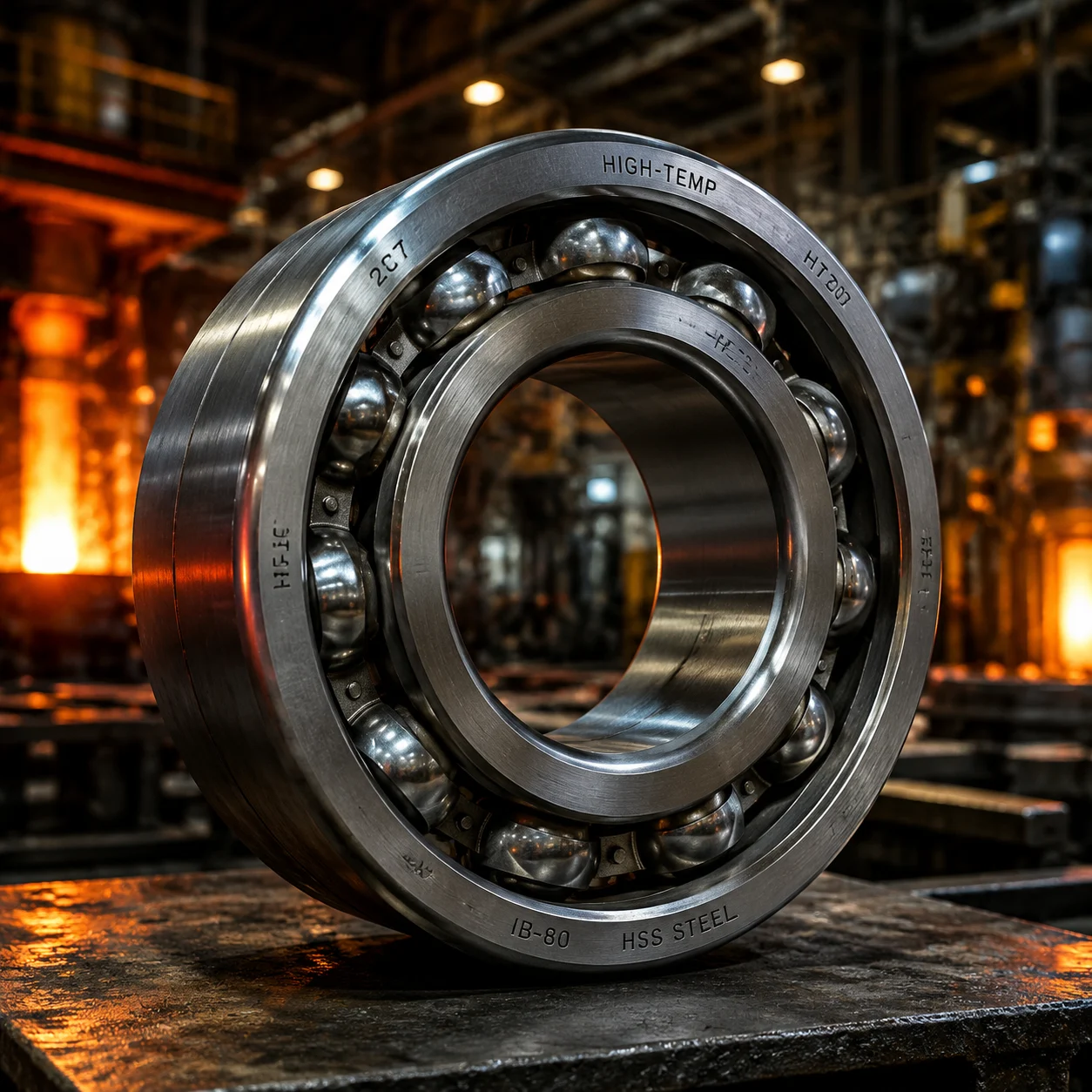
Application-Specific High Temperature Solutions
Whether facing continuous heat, thermal cycling, or abrasive dust, JN Bearings provides specialized rolling elements engineered for your specific industrial environment.
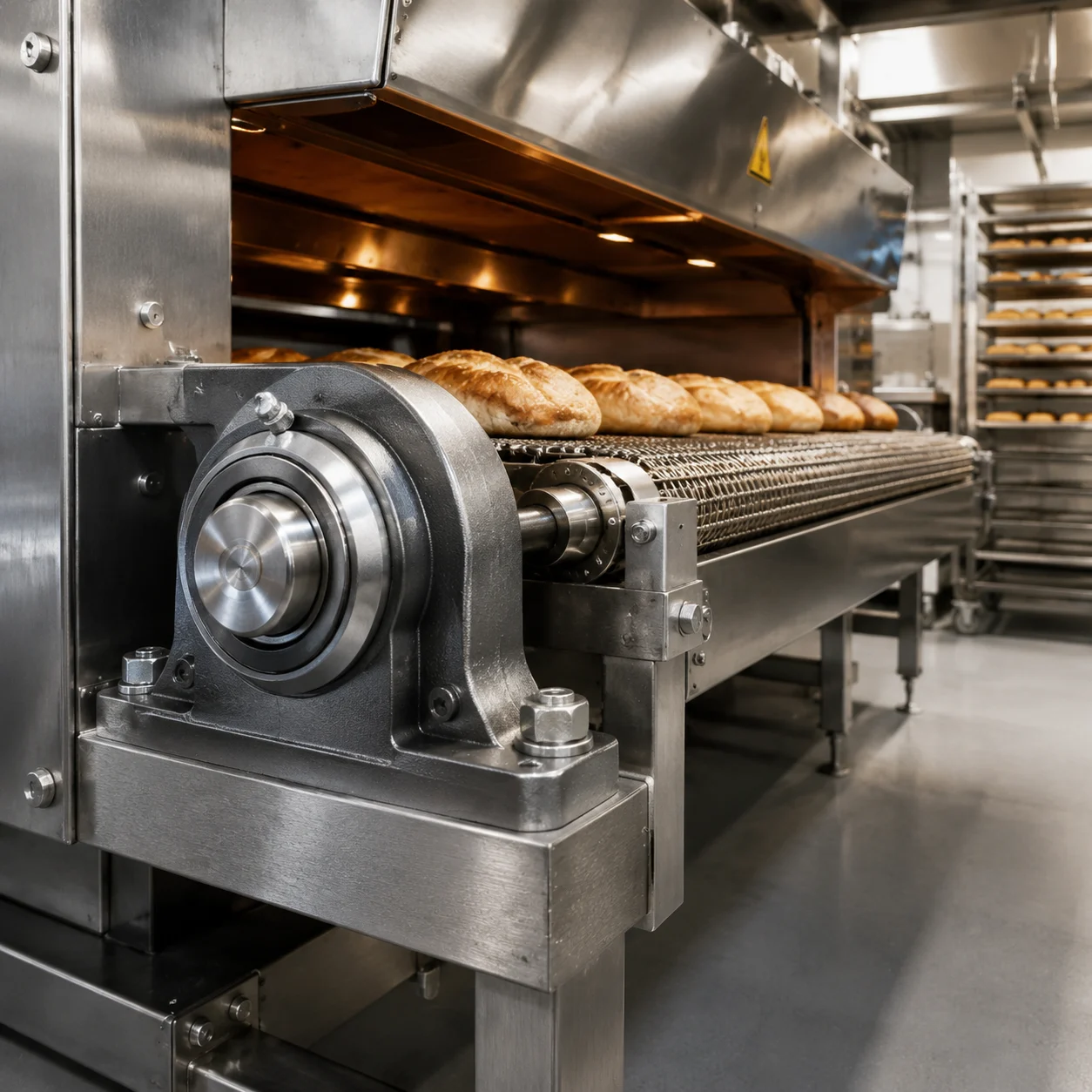
Oven Conveyors
Engineered to resist grease carbonization in dry heat. Features high-temp seals and dust-resistant shields to maintain smooth transport in baking and curing lines.
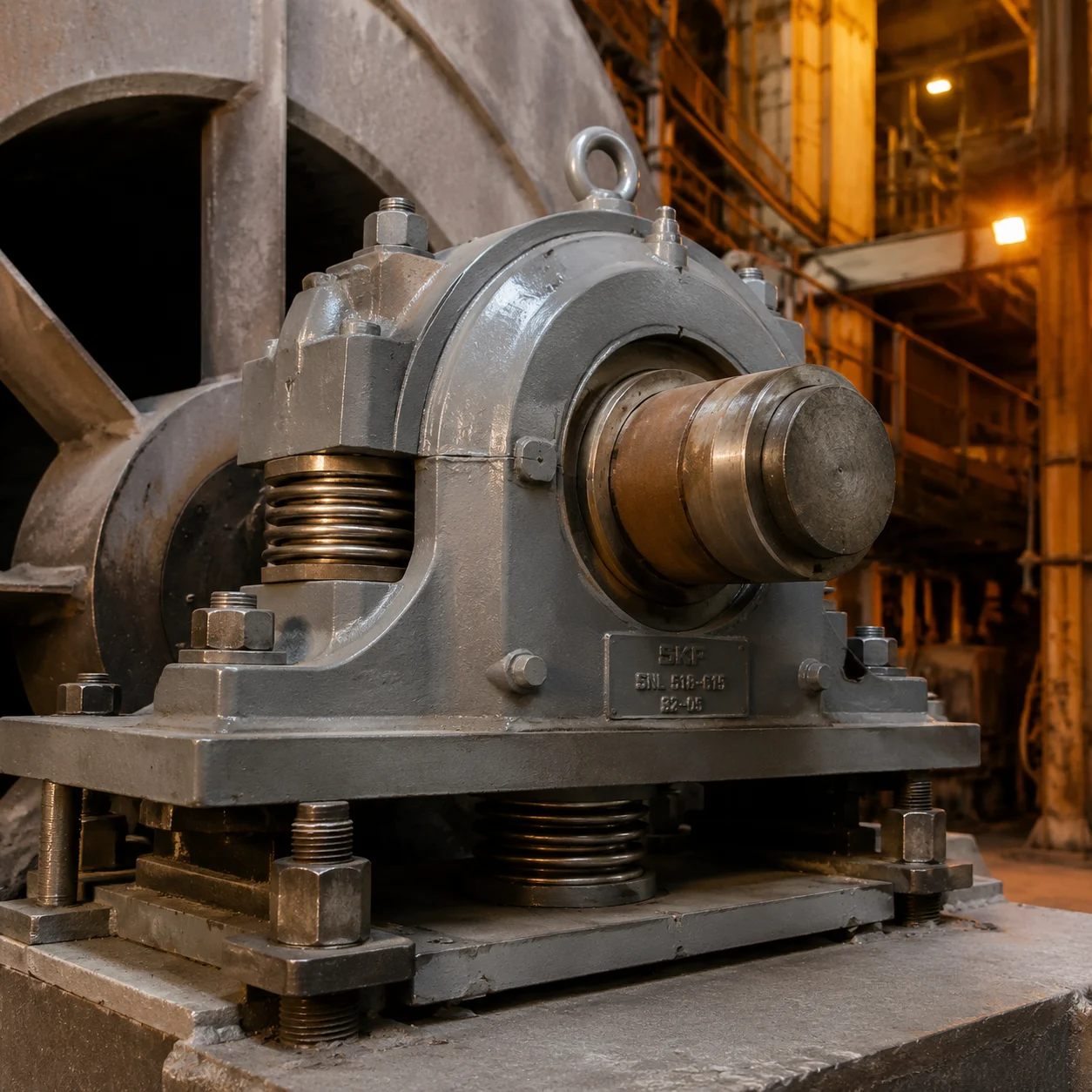
Kiln & Exhaust Fans
Built with heat-stabilized steel to handle high-speed rotation and thermal expansion, preventing premature failure in continuous hot-air circulation.
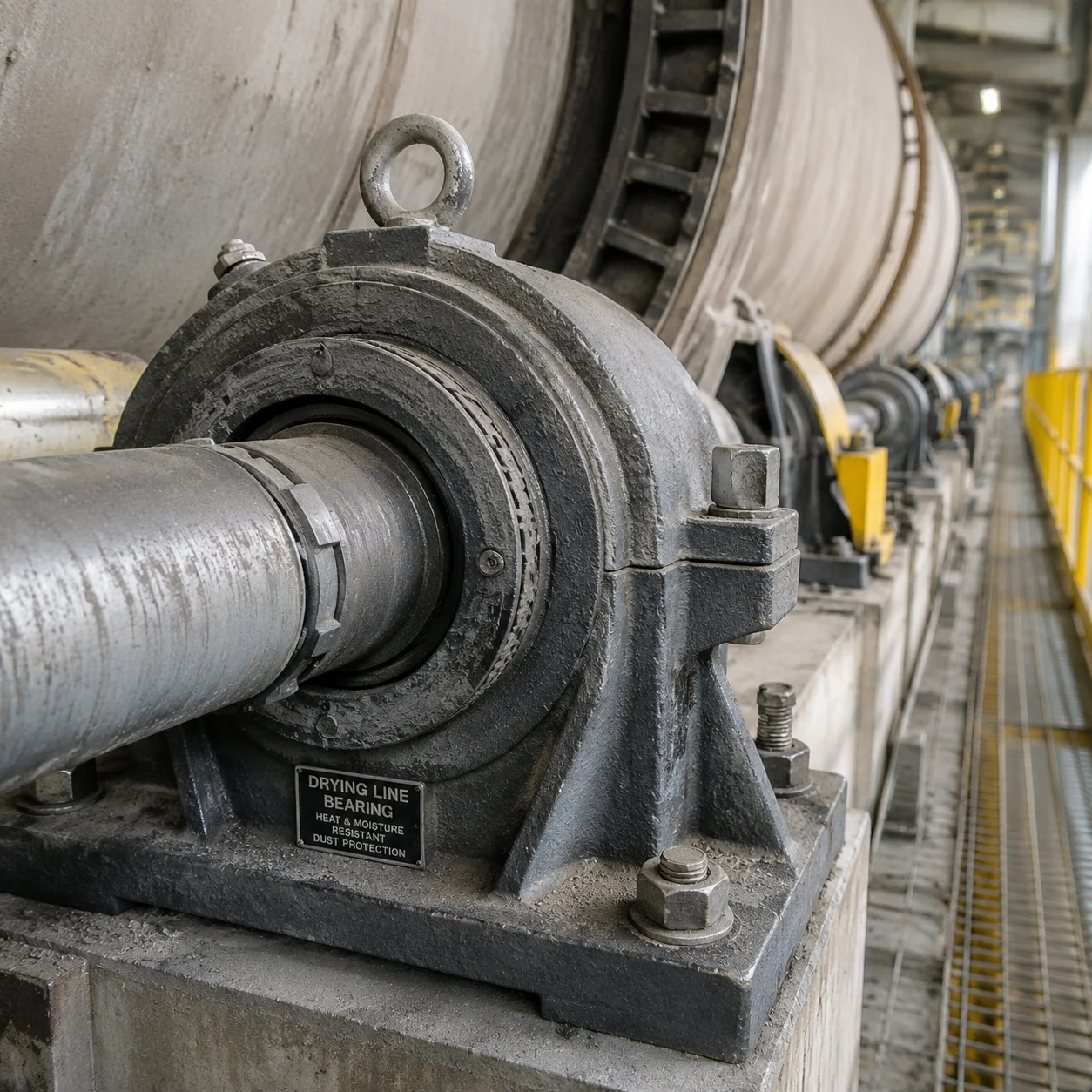
Drying Lines
Optimized with C3 or C4 internal clearances and robust cage materials to manage frequent thermal shocks and moisture-heavy drying processes.
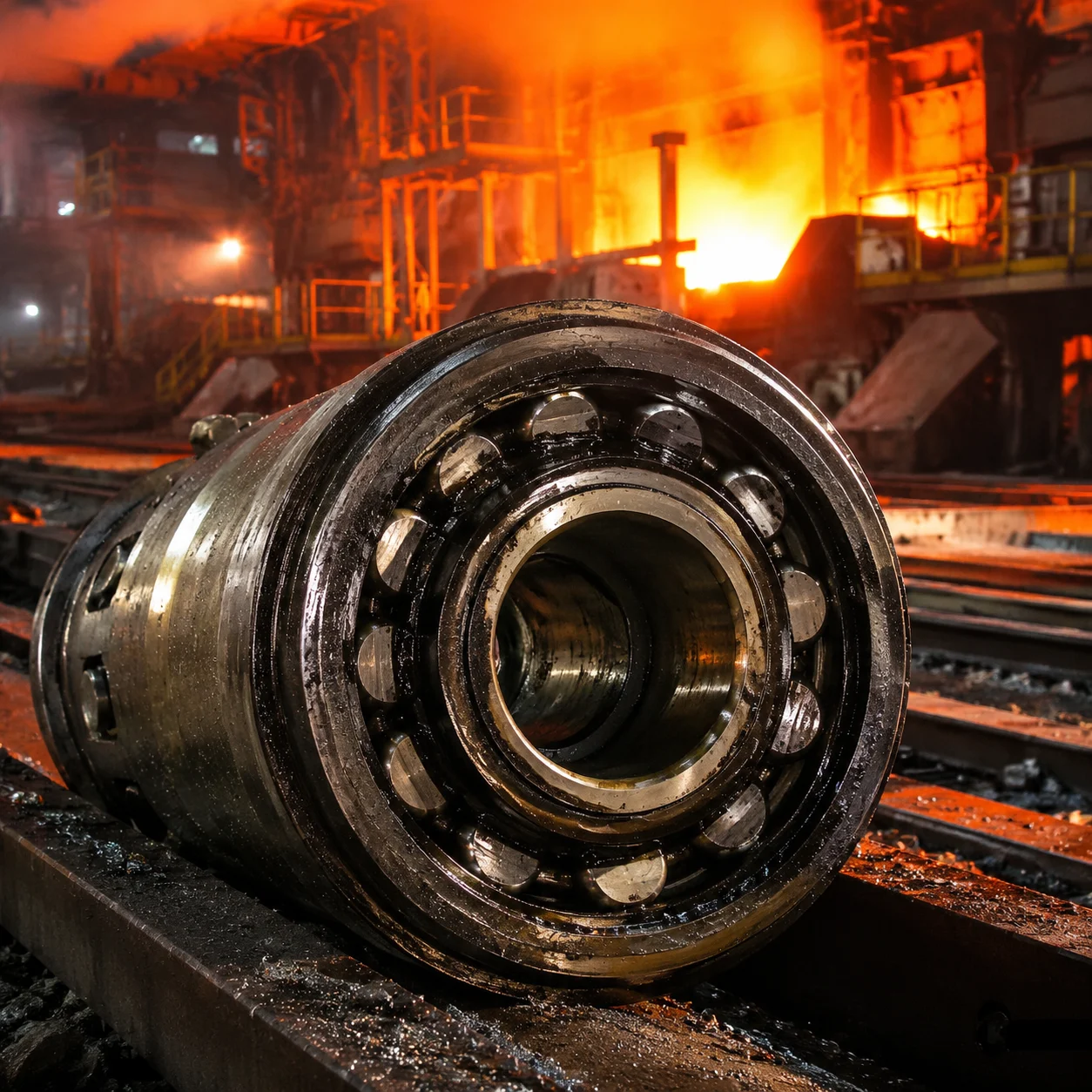
Steel & Metallurgy
Heavy-duty, alloy-based designs built for extreme radiant heat and heavy loads. Custom sealing options protect against scale and metallic particles.
Need a technical review? Submit your temperature and load parameters for a tailored configuration from JN Bearings.
High Temperature Bearing Failure Modes & Prevention Strategies
Operating deep-groove ball bearings under extreme thermal stress accelerates mechanical wear and chemical degradation. In high-heat environments, conventional components quickly succumb to severe grease bleed, rapid oxidation, cage cracking, and premature spalling. These early failures stem from continuous lubricant breakdown, material softening, fine dust contamination, and thermal expansion mismatches that compromise standard internal clearances.
Mitigating these high-temperature risks requires a systematic approach to component specification. Selecting synthetic high temperature grease or solid lubricants ensures the load-carrying film remains intact under intense heat. Optimizing internal clearances—specifically utilizing C3, C4, or C5 fits—provides the necessary thermal expansion room to prevent destructive internal preloads, while heat-stabilized steel alloys maintain structural hardness and dimensional stability under relentless thermal cycling.
Furthermore, engineering robust sealing shields protects internal rolling elements from abrasive particles and volatile chemical vapors without locking in thermal friction. Combined with precise speed limit calculations and regular predictive diagnostics, these proactive measures drastically extend bearing service life, eliminate unexpected downtime, and secure continuous operation.
Common High Temperature Failure Mechanisms
- • Grease Bleed and Base Oil Oxidation: Thermal breakdown causes rapid oil separation and evaporation, leading to dried residues, localized friction, and accelerated abrasive wear.
- • Cage Failure and Thermal Cracking: Standard pressed steel or polyamide cages lose structural integrity during extreme thermal cycling, causing deformation or catastrophic breakage.
- • Premature Race Spalling: Material softening lowers the dynamic load capacity, resulting in sub-surface fatigue and localized flaking along the rolling pathways.
- • Thermal Expansion Mismatch: Temperature differentials between the shaft, housing, and inner rings eliminate internal clearance, triggering severe binding and rapid bearing seizure.
Engineering Best Practices for Risk Mitigation
- 1 Deploy Specialized High Temperature Lubrication: Utilize advanced fluorinated greases (PFPE) or solid graphite formulations engineered for long-term stability across specific thermal ranges.
- 2 Optimize Radial Internal Clearances: Specify precise C3, C4, or C5 clearance parameters to absorb heat expansion and maintain low rotational torque during peak operational temperatures.
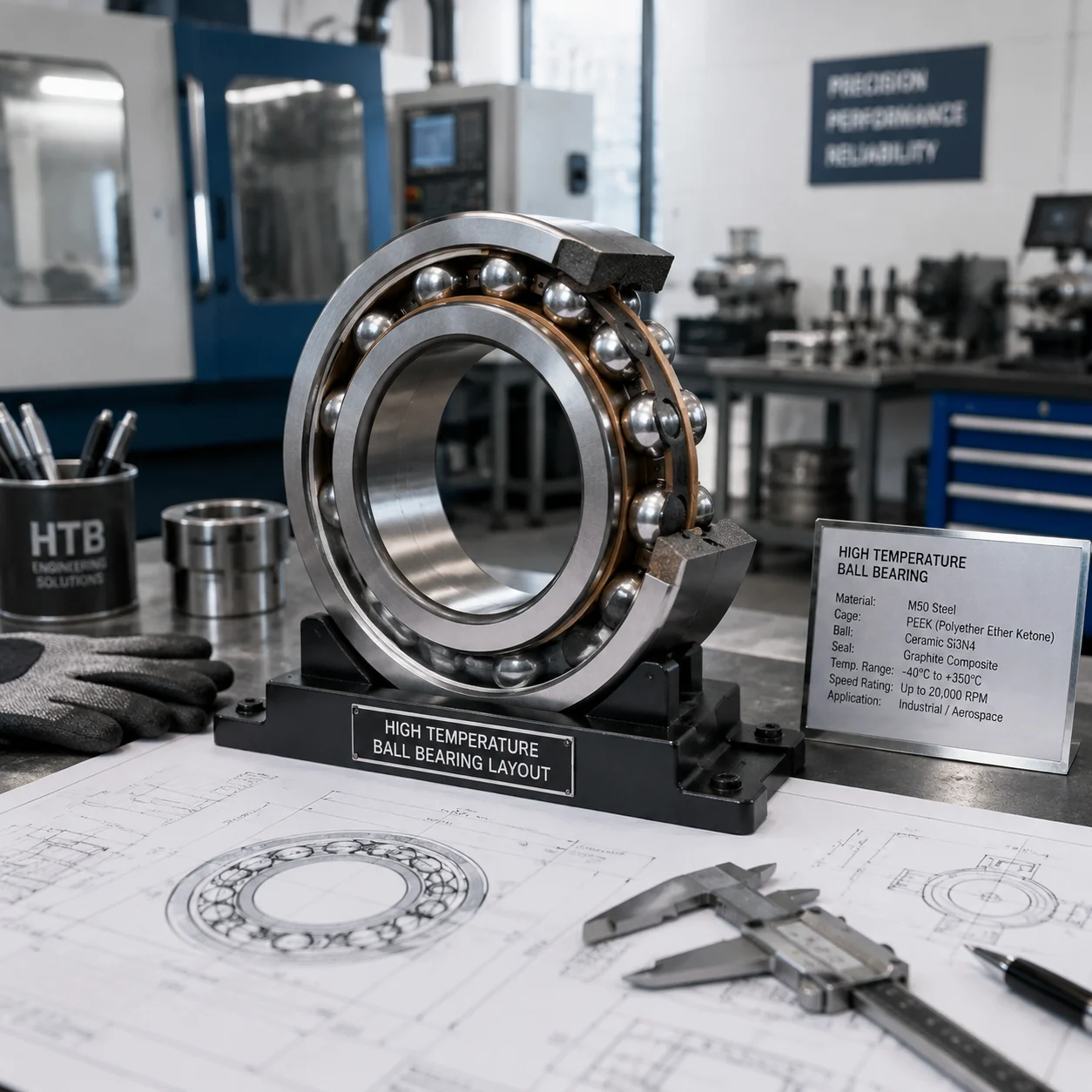
- 3 Incorporate Heat-Stabilized Materials: Select ball bearings manufactured from premium heat-stabilized steel or silicon nitride (Si₃N₄) ceramic rolling elements to resist dimensional distortion.
- 4 Configure Tailored Sealing & Shielding Systems: Implement non-contact metal shields or specialized viton seals that successfully block heavy environmental contamination without adding heat-generating friction.
- 5 Establish Operational Diagnostics & Forensic Review: Track temperature spikes, vibration profiles, and acoustic signatures to detect early wear patterns and plan efficient maintenance intervals.
Rigorous Quality Control & Full Batch Traceability
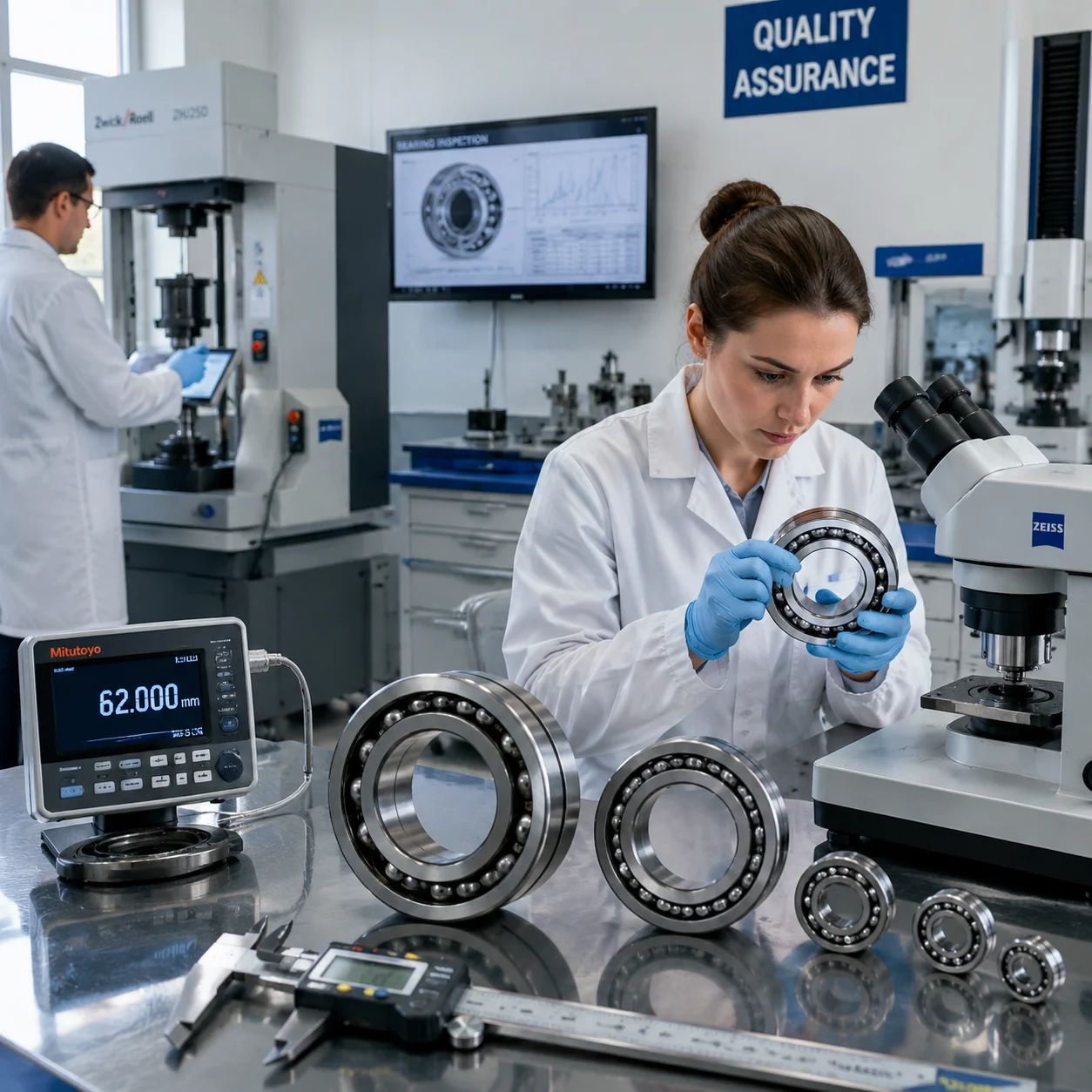
At JN Bearings, we eliminate operational risks in high-temperature environments. Every production lot undergoes multi-stage inspections to guarantee structural integrity, dimensional stability, and zero-defect performance across critical bearing products before leaving our facility.
Precision Testing & Calibration: Our quality assurance protocol includes 100% dimensional and internal clearance checks, Rockwell hardness testing for heat-stabilized steel, and dynamic rotation audits under precise simulated conditions commonly required for angular-contact ball bearings.
End-to-End Traceability: From raw material melt batches and heat treatment cycles to final precision grinding, each high-temperature ball bearing—including deep-groove ball bearings—is assigned a traceable batch code to satisfy strict B2B compliance audits.
Comprehensive Documentation: We support your internal quality management by providing material certificates, factory inspection reports, and ISO-compliant process logs to streamline your supplier onboarding and risk assessment.
Flexible OEM Supply & Custom High-Temperature Bearing Engineering
As an experienced ball bearing manufacturer, JN Bearings provides standard drop-in replacements, interchangeable cross-references, and fully custom-engineered thermal solutions tailored to your operational specifications.
Our flexible manufacturing infrastructure allows us to dispatch off-the-shelf heat-resistant bearings within 24 hours, while specialized short-run custom projects are engineered with optimized lead times to prevent costly industrial downtime.
Whether you need low-volume prototyping for specialized machinery or reliable container-load contract manufacturing, our commercial terms and adaptive MOQs support your supply chain requirements.
Share your target dimensions, temperature profiles, and environmental factors with our technical sales team for an accurate quotation and clear delivery schedule.
- Turnaround & Lead Times
- Stocked heat-stabilized configurations ship within 24 hours. Custom alloy, specific clearances, and non-standard dimensions follow strict, transparent manufacturing timelines.
- Adaptive MOQ Structure
- We eliminate sourcing barriers for maintenance, repair, and overhaul (MRO) engineering projects while scaling up efficiently to support large-scale industrial machinery OEMs.
- Global Logistics & Export
- Every shipment features heavy-duty industrial packaging and rust-preventative barriers, paired with complete material and QC traceability documentation for international customs.
High-Temperature Bearing FAQ
Deep Technical Insights & Selection Support
Q: How is the maximum operating temperature range of a bearing determined?
The true continuous temperature limit relies on three critical variables: the thermal stabilization of the bearing steel, the chemical degradation limit of the high-temperature grease, and the material composition of the cages or seals. At JN Bearings, we verify these performance limits through controlled laboratory testing and simulated thermal cycle profiling for applications such as deep-groove ball bearings.
Q: When should I specify a C3 versus a C4 internal clearance?
Standard internal clearance will quickly lead to bearing seizure due to thermal expansion. We recommend C3 clearance for moderate temperature deltas. For extreme thermal cycles or direct heat conduction—such as in industrial ovens—a C4 or C5 clearance is essential to allow the steel to expand without inducing internal stress.
Q: Will standard rubber seals withstand sustained high-temperature operation?
No, conventional NBR seals fail above 120°C. For environments up to 250°C, we utilize specialized Viton (FKM) elastomer seals or integrated metallic shields. Beyond these limits, open configurations with solid lubricants offer the safest design path.
Q: Can heat-resistant bearings be used in high-speed kiln fans?
Yes, provided the RPM is balanced against the thermal profile. We utilize heat-stabilized rings and custom-machined cages that maintain structural integrity without elevating operational torque under simultaneous thermal and centrifugal stress, including high-speed angular contact ball bearings where combined loads and precision alignment matter.
Q: Are ceramic balls absolutely necessary for extreme heat?
Not always. Premium alloy steel with specialized heat treatment can reach 300°C. Hybrid ceramic bearings are reserved for scenarios requiring minimal thermal expansion, zero micro-welding risk, or severe lubrication scarcity. For predominantly axial load cases at elevated temperature, thrust ball bearings can also be a more appropriate geometry.
Technical Specification Checklist
To receive an accurate quotation, please provide the following parameters:
- Dimensions: OD, ID, Width or PN
- Thermal Profile: Peak & Constant Temp
- Speed: Continuous RPM & Vectors
- Environment: Dust, Moisture, Vacuum
- Goals: Target Life & Maintenance
JN Bearings supports custom sizes and direct brand interchanges.
Request QuoteRequest a Quote for High-Temperature Ball Bearings
Submit your specific operating conditions to the engineering team at JN Bearings. We will evaluate your thermal and load profiles to deliver a precise bearing specification and a competitive commercial proposal.
- • Bearing Size & Dimensions: Part numbers, shaft diameter, or housing limits.
- • Temperature Profile: Continuous operating temperature and peak thermal spikes.
- • Speed & Load Parameters: Target RPM, radial/axial loads, and duty cycles.
- • Environmental Conditions: Exposure to kiln dust, moisture, or chemical vapor.
- • Sealing & Clearance Preferences: C3/C4 clearance and shield/seal configurations.
Our technical sales team responds within 24 hours with exact technical specifications, pricing tiers, and production lead times.
Need immediate engineering support? Contact us directly via Email, WhatsApp, or WeChat.