Deep groove ball bearings most versatile designs combine deep raceways, single row simplicity, and simultaneous radial loads plus axial loads handling—the reason engineers default to them across electric motor bearings and industrial gearboxes. This guide explains why deep groove ball bearings are the most versatile option, how inner ring, outer ring, and rolling elements geometry drives low friction and low noise, and when to pick shielded, sealed, or hybrid builds.
Deep Groove Ball Bearings Most Versatile — Why Engineers Choose Them
Deep groove ball bearings are the most versatile components in the power transmission industry because they excel where other designs fail: balancing high speeds, heavy forces, and cost efficiency without requiring constant maintenance.
What Makes a Deep Groove Ball Bearing Unique?
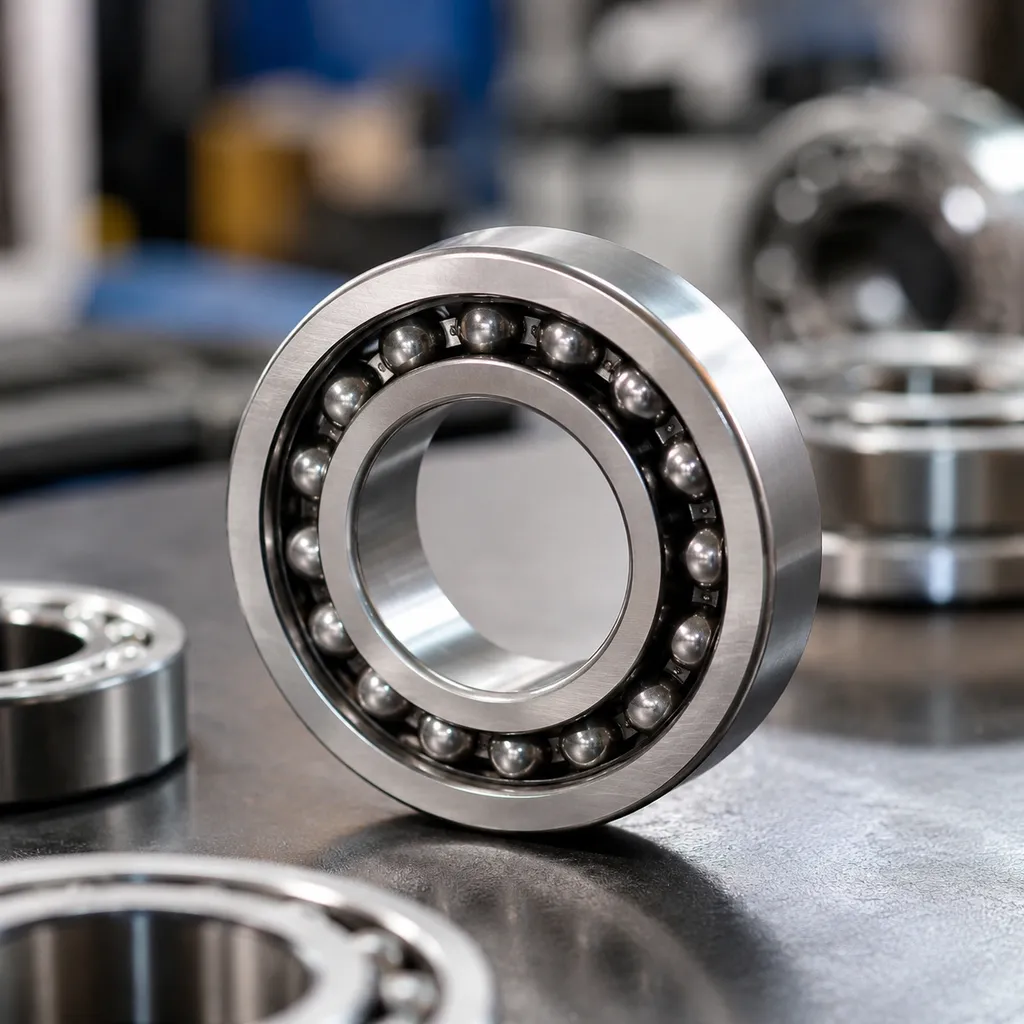
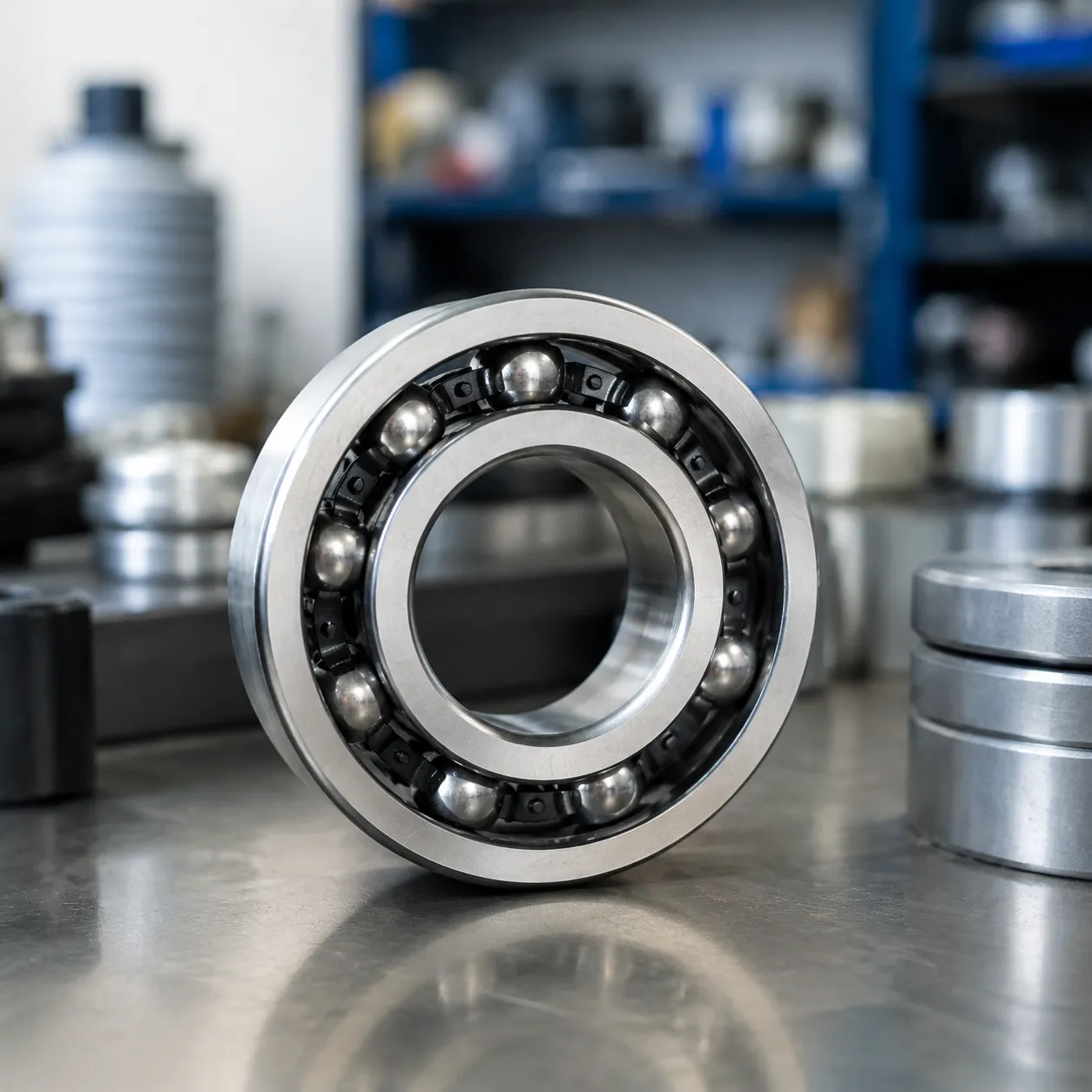
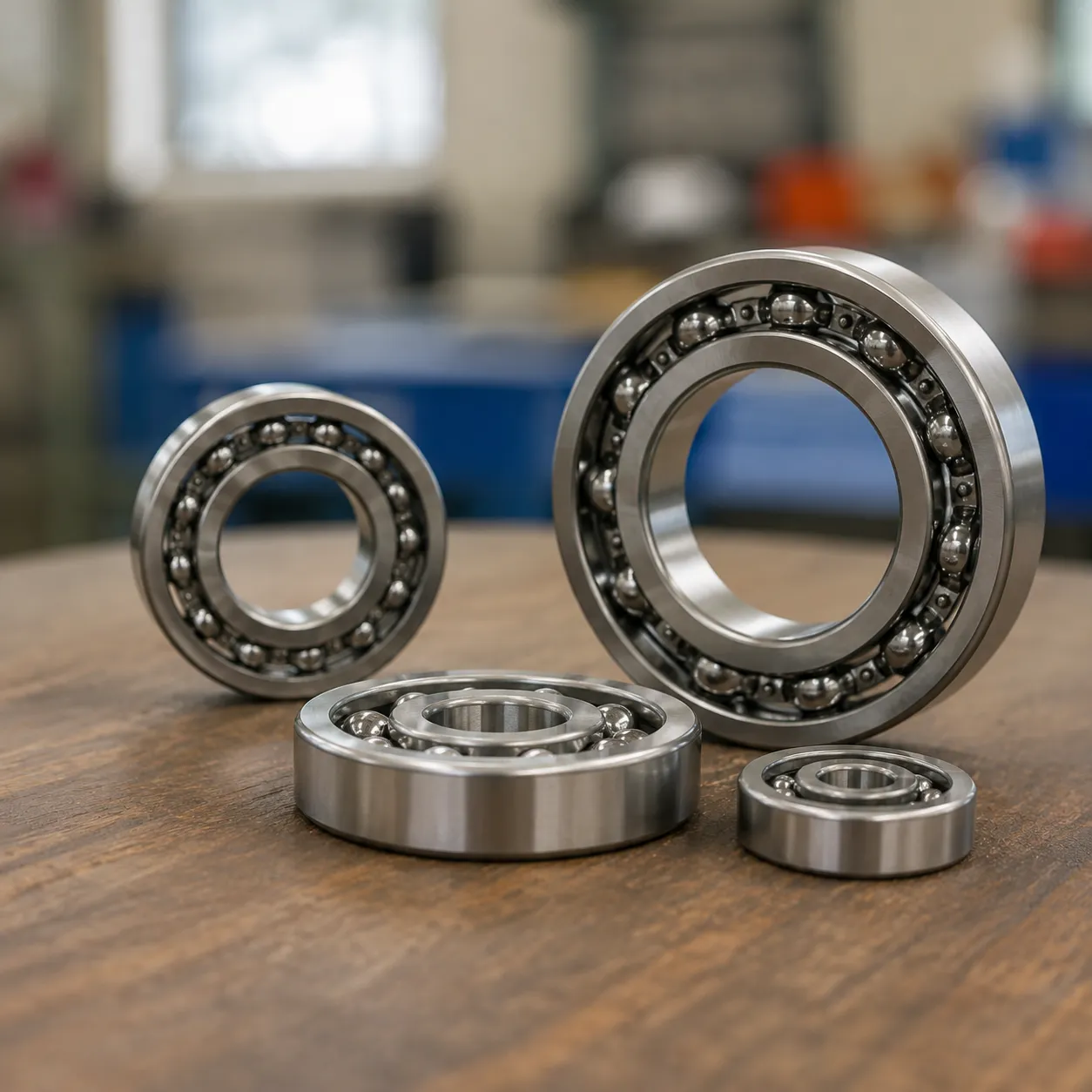
The secret lies in the geometry of the raceways. Unlike shallow designs, these bearings feature deep, uninterrupted arc grooves in their inner ring and outer ring. This structural design simplicity creates a precise runway for the rolling elements (the steel balls).
- Close Ball-to-Groove Conformity: The deep trenches wrap closely around the balls, providing exceptional stability.
- Robust Performance: They require minimal attention, are easy to maintain, and stand up to harsh, continuous operation.
- Cost-Efficient Production: Their straightforward design makes them highly economical to manufacture and purchase at scale.
Managing Radial and Axial Loads Simultaneously
Most industrial applications do not just push a bearing in one direction. Equipment generates radial loads (forces perpendicular to the shaft) during standard rotation, but misalignments or shifting gears also introduce axial loads (thrust forces parallel to the shaft).
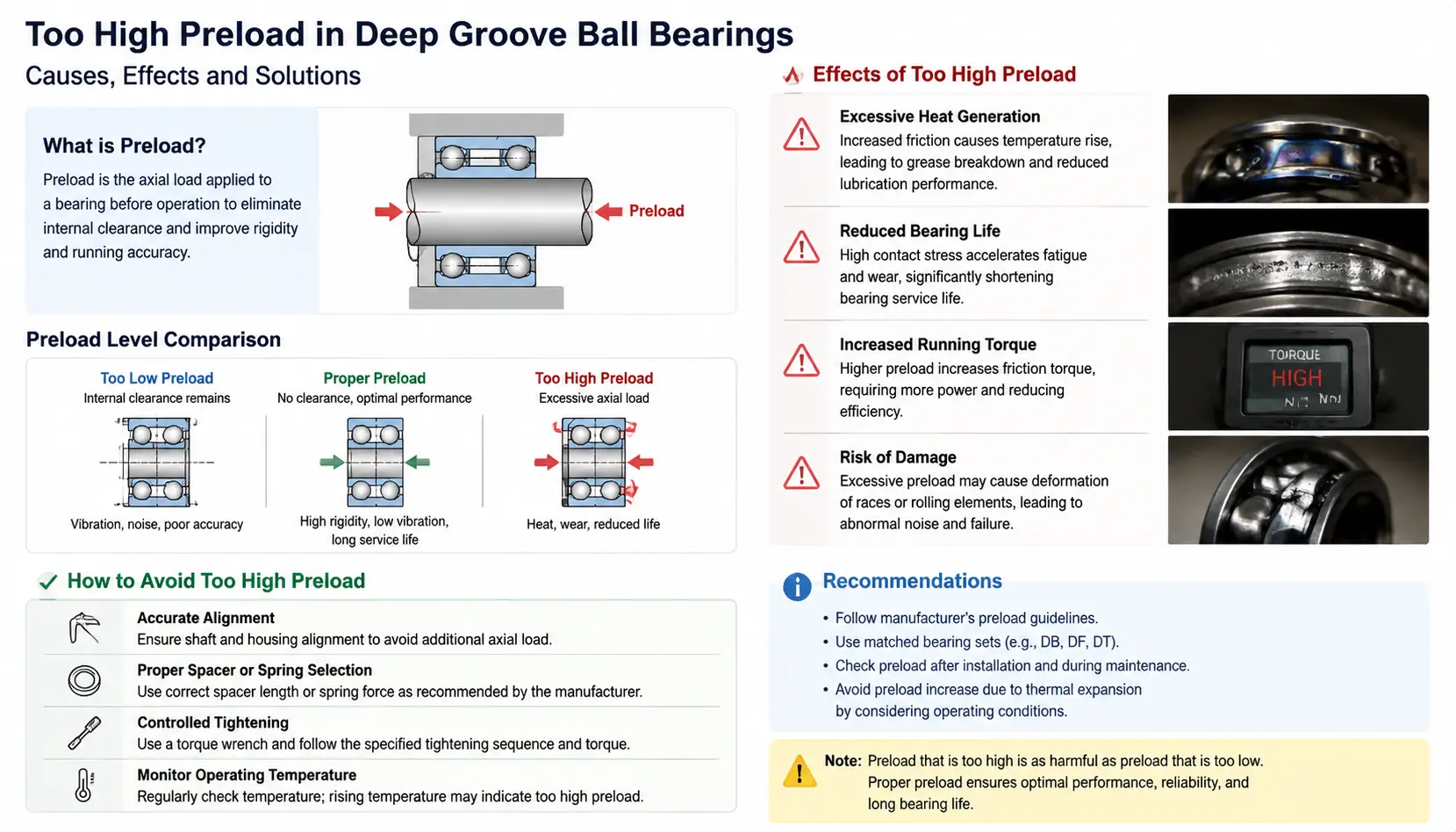
Deep groove ball bearings handle both forces at the same time [1]. The deep raceways ensure that even when axial thrust tries to push the inner and outer rings apart, the balls remain securely positioned in the groove. This dual-load carrying capacity eliminates the need to install separate, costly thrust bearings.
Low Friction Equals Better Efficiency and Higher Speeds
High operational temperatures ruin grease and kill bearings. Because the rolling elements have a optimized, minimal point of contact within the raceways, these units generate exceptionally low frictional torque.
| Performance Benefit | Operational Advantage |
|---|---|
| Low Friction | Reduces heat generation and energy consumption. |
| High Rotational Speeds | Permits ultra-fast RPMs without risking thermal runaway. |
| Reduced Operating Noise | Delivers smooth, low-noise performance in quiet environments. |
By keeping friction to an absolute minimum, our deep groove ball bearings run cooler, last longer, and unlock the maximum high-speed potential of your equipment [2].
Deep Groove Ball Bearings Most Versatile Types & Configurations
Here is how the different options stack up for your specific needs.
Single-row deep groove ball bearings: The everyday workhorse
The single row deep groove ball bearing is the most popular choice across US manufacturing. It features a straightforward design with a single row of rolling elements rolling smoothly along the inner ring and outer ring raceways.
- Best for: High-speed, standard-load applications like electric motors.
- Key benefit: Incredible design simplicity makes it highly economical and easy to maintain.
- Performance: Delivers low frictional torque and supports high rotational speeds effortlessly.
Double-row variants: When your machine needs a heavy-duty lift
When a single row cannot handle the punishment, double-row variants step in. These bearings pack twice the rolling elements into the same setup to drastically bump up your load carrying capacity.
- Best for: Heavy mechanical setups where space is limited but forces are high.
- Key benefit: Drastically superior resistance to heavy radial loads.
- Performance: Remains robust under pressure, though it operates at slightly lower top speeds than single-row options.
Compare double row deep groove ball bearings when radial demand exceeds single-row ratings in the same bore.
Stainless steel vs. ceramic: Choosing the right material for harsh spots
Standard chrome steel is great, but harsh environments require specialized materials to maintain bearing life and performance.
| Material | Best For | Key Advantage |
|---|---|---|
| Stainless Steel Bearings | Food processing, marine, washdown zones | High corrosion resistance, meets sanitation rules |
| Ceramic Bearings | High-tech, extreme high-speed, electrical environments | Zero magnetic interference, heat-resistant, low friction |
For electrical-insulation specs, pair with hybrid deep groove ball bearings using ceramic rolling elements.
Sealed vs. open designs: Keeping dust out and grease in
Your operating environment dictates whether you need shielded and sealed bearings or an open configuration.
- Open Bearings: Best for enclosed gearboxes where oil constantly circulates. They offer the lowest restriction for deep groove ball bearings versatile high speed applications.
- Shielded Bearings (ZZ): Metal shields keep large debris out without creating friction. Ideal for clean, dry environments.
- Sealed Bearings (2RS): Rubber seals offer a tight contact fit. They lock grease in and completely block dust and moisture, making them the ultimate choice for dirty US industrial floors. Browse sealed deep groove ball bearings for 2RS part numbers.
Where Do They Work? Real-World Applications Exploded
Deep groove ball bearings are the most versatile components in our lineup, finding a home in everything from everyday household items to heavy industrial machinery. Because they handle both radial and axial loads efficiently, they are the go-to choice across major US industries.
Powering Electric Motors and Household Appliances Quietly
In electric motor bearings and home appliances, keeping things quiet is a top priority. Our deep groove ball bearings are engineered for reduced operating noise and low frictional torque. This makes them perfect for:
- Washing machines and dryers where high rotational speeds require smooth operation.
- HVAC blower motors that must run continuously without vibrating.
- Power tools that require robust performance in compact spaces.
Why the Automotive and Aerospace Industries Rely on Them
The automotive and aerospace sectors demand parts that maximize bearing life and performance under tough conditions. We supply these industries because our deep groove ball bearings versatile high speed capabilities fit perfectly into demanding systems:
- Alternators and steering columns: Managing constant radial loads while keeping friction low.
- Transmissions: Providing design simplicity that handles multi-directional forces.
- Aircraft actuators: Meeting strict US aerospace standards for reliability and lightweight efficiency.
Heavy-Duty Environments: From Agricultural Gear to Factory Conveyor Systems
Industrial and farming equipment takes a beating from dust, mud, and heavy loads. Our heavy-duty single row deep groove ball bearing designs keep American supply chains and farms moving smoothly.
| Industry | Specific Equipment | Core Requirement |
|---|---|---|
| Agriculture | Tractors, combines, and harvesters | High load carrying capacity and dirt resistance |
| Manufacturing | Factory conveyor systems, assembly lines | Low maintenance and high continuous speeds |
| Material Handling | Forklifts and automated guided vehicles (AGVs) | Smooth rolling elements under high radial pressure |
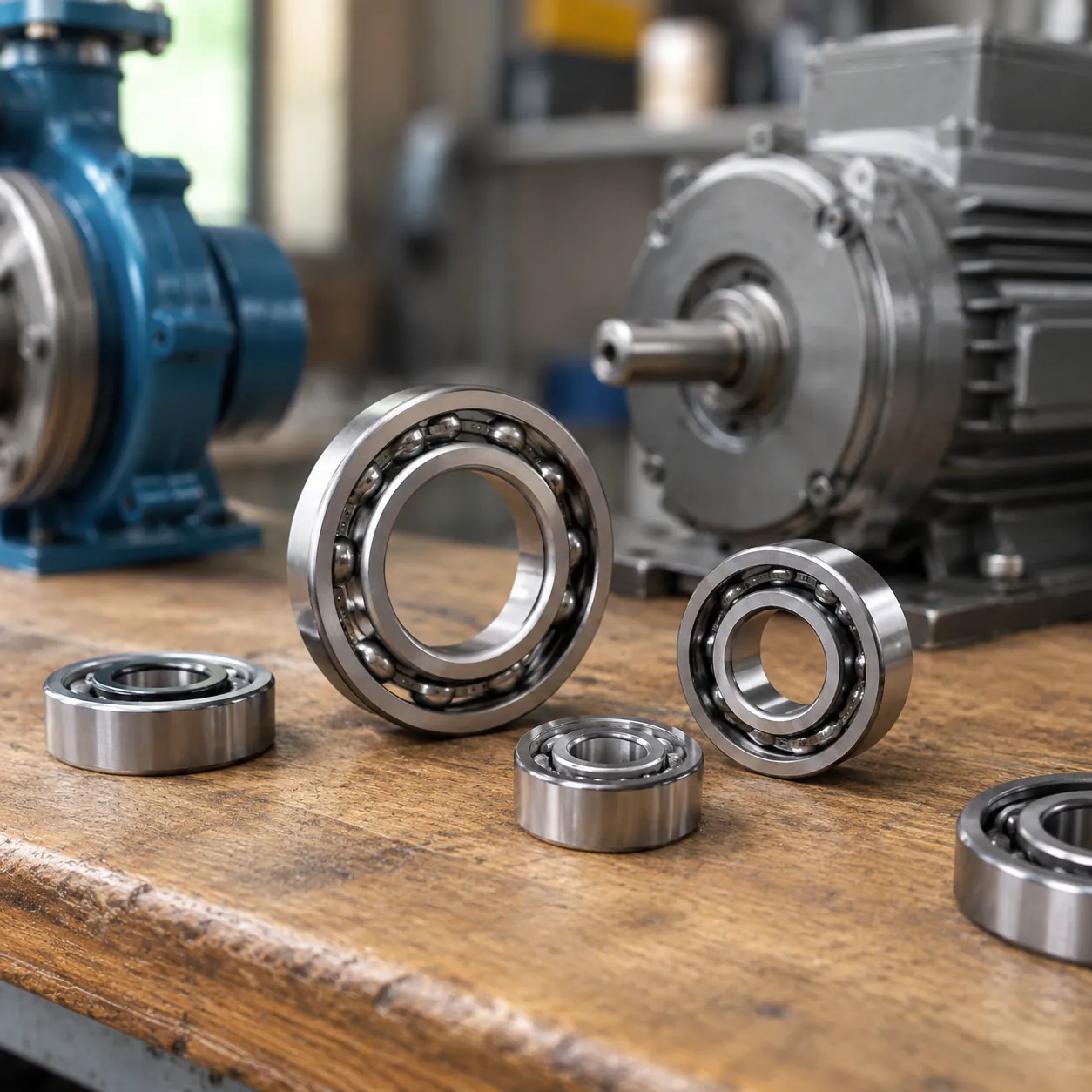
Factory buyers sourcing volume runs should review our deep groove ball bearings factory OEM lines for MOQ and vibration-grade options.
Selecting Deep Groove Ball Bearings for Versatile Performance
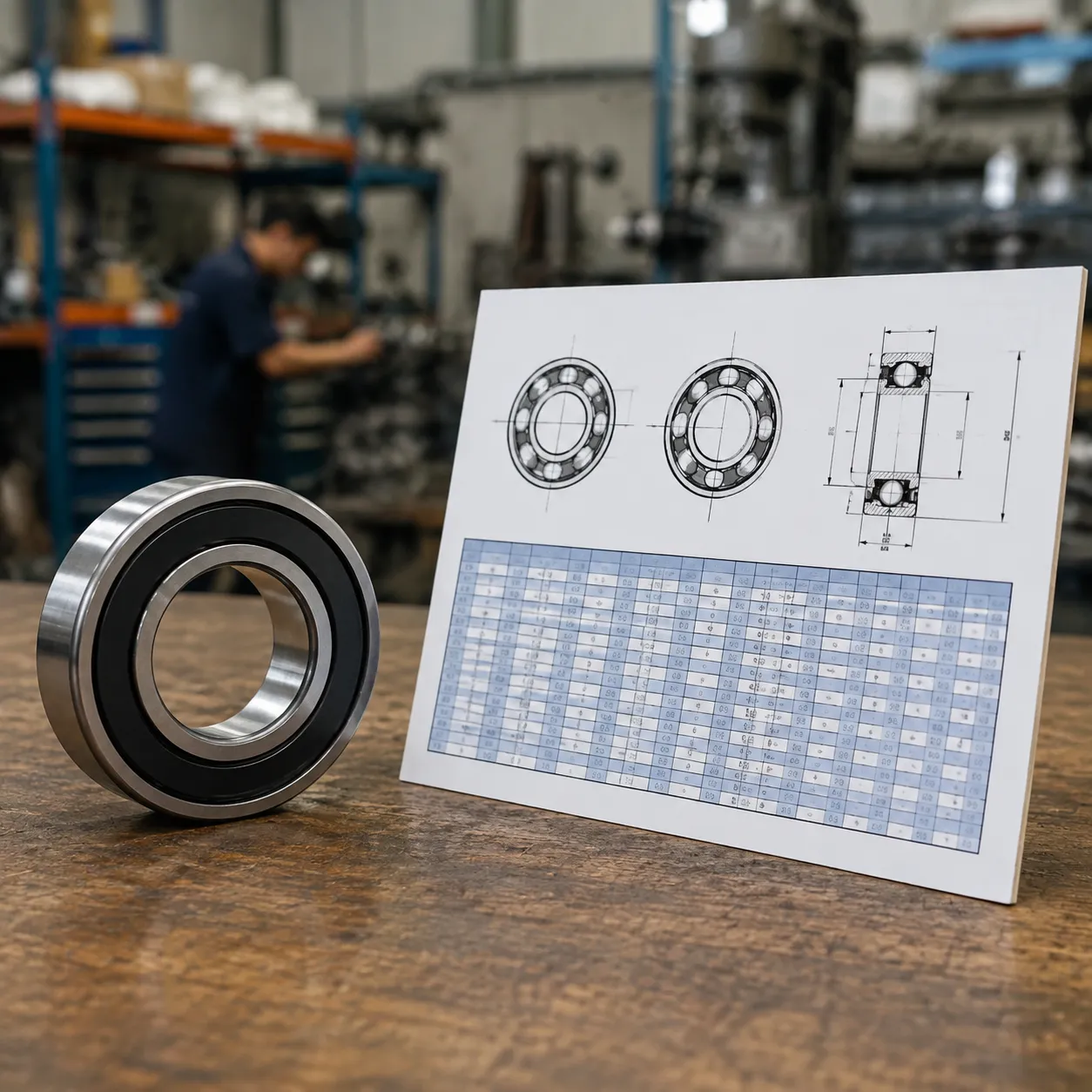
Use this checklist before specifying deep groove ball bearings most versatile builds for new equipment or MRO programs [3].
| Decision Point | If Your Application… | Recommended Build |
|---|---|---|
| Load profile | Standard radial + moderate axial both ways | Single row deep groove (6000/6200/6300) |
| Load profile | Heavy radial in limited bore space | Double-row 4200/4300 series |
| Environment | Clean, high RPM, low noise | Open or ZZ shielded |
| Environment | Dust, moisture, washdown | 2RS sealed + food-grade grease if needed |
| Speed ceiling | Extreme RPM or electrical insulation | Hybrid ceramic rolling elements |
For load-direction basics, see our guide on axial load vs radial load in deep groove ball bearings.
FAQs: Deep Groove Ball Bearings Most Versatile Solutions
Can deep groove ball bearings handle axial loads in both directions?
Yes, they can. While they are primarily designed to support heavy radial loads, the symmetrical raceways of a single row deep groove ball bearing allow it to absorb axial loads from either direction. This bidirectional capability is a major reason why deep groove ball bearings are the most versatile option on the US market today, giving you more design flexibility without needing separate thrust bearings.
How do I know if I need a shielded (ZZ) or sealed (2RS) bearing?
Choosing between shielded and sealed bearings comes down to your operating environment and speed requirements:
- Shielded Bearings (ZZ): Feature non-contact metal shields. Best for clean environments, high rotational speeds, and applications requiring low frictional torque.
- Sealed Bearings (2RS): Feature contact rubber seals. They offer maximum protection against dust, dirt, and moisture, making them ideal for harsh environments, though they slightly limit top speeds due to friction.
What causes a deep groove ball bearing to fail early?
Premature failure usually boils down to a few common, preventable issues:
| Cause of Failure | Impact on Bearing | Prevention Method |
|---|---|---|
| Poor Lubrication | High friction, heat buildup, and surface micro-cracking. | Use high-grade grease suited for your operating temperature. |
| Contamination | Dirt and grit scratch the rolling elements and rings. | Upgrade to sealed bearings (2RS) in dusty environments. |
| Misalignment | Uneven load distribution across the inner ring and outer ring. | Ensure precise shaft alignment during installation. |
| Overloading | Exceeding the rated load carrying capacity. | Verify your radial and thrust load calculations before deployment. |
When should I upgrade to an angular contact bearing instead?
You should make the switch when your application faces heavy, unidirectional axial loads that exceed the limits of standard deep groove ball bearings. While our deep groove lineup is robust, economical, and perfect for low noise electric motor bearings, angular contact bearings are specifically engineered for high-thrust, high-precision industrial applications where a single row design cannot handle the axial force alone.