Overview
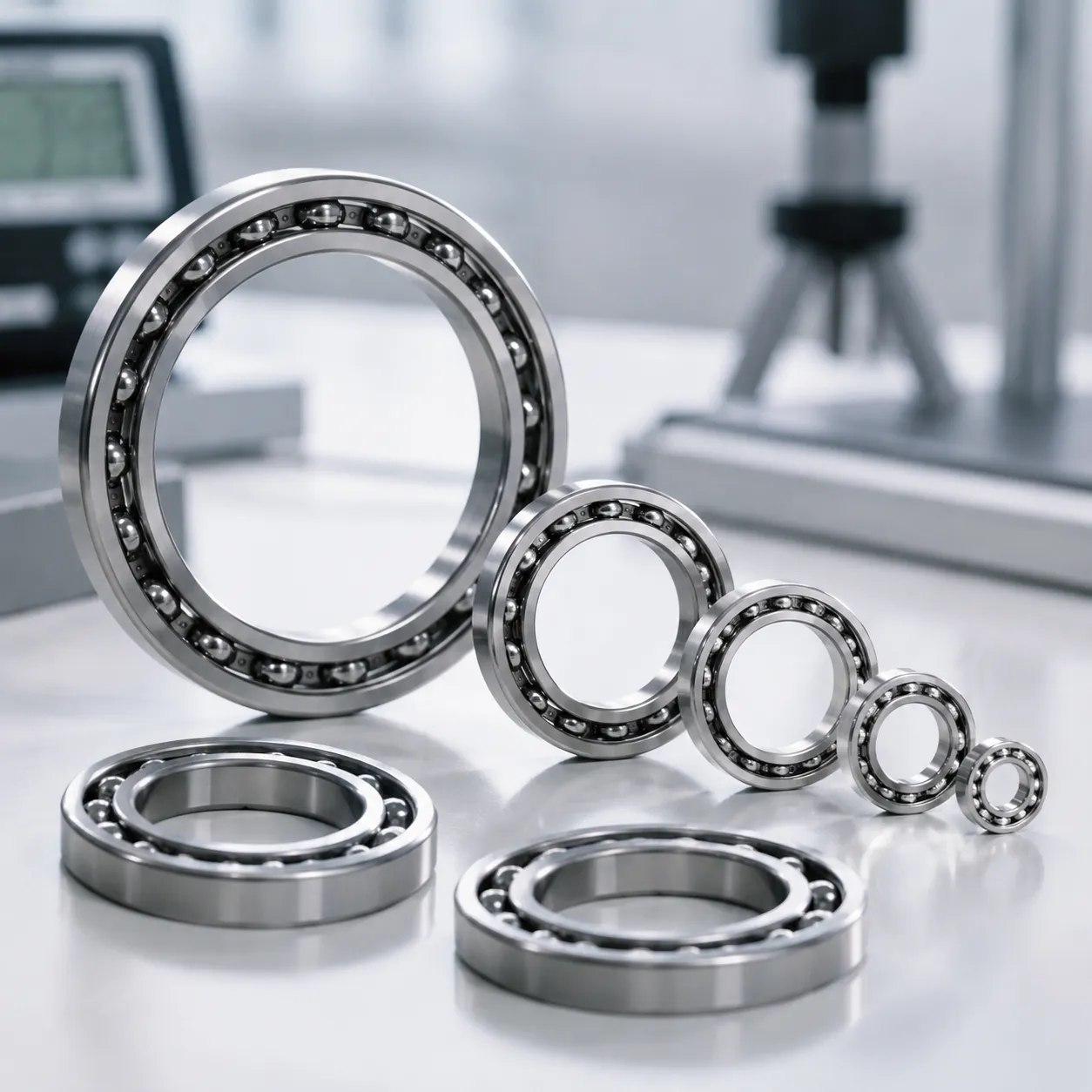
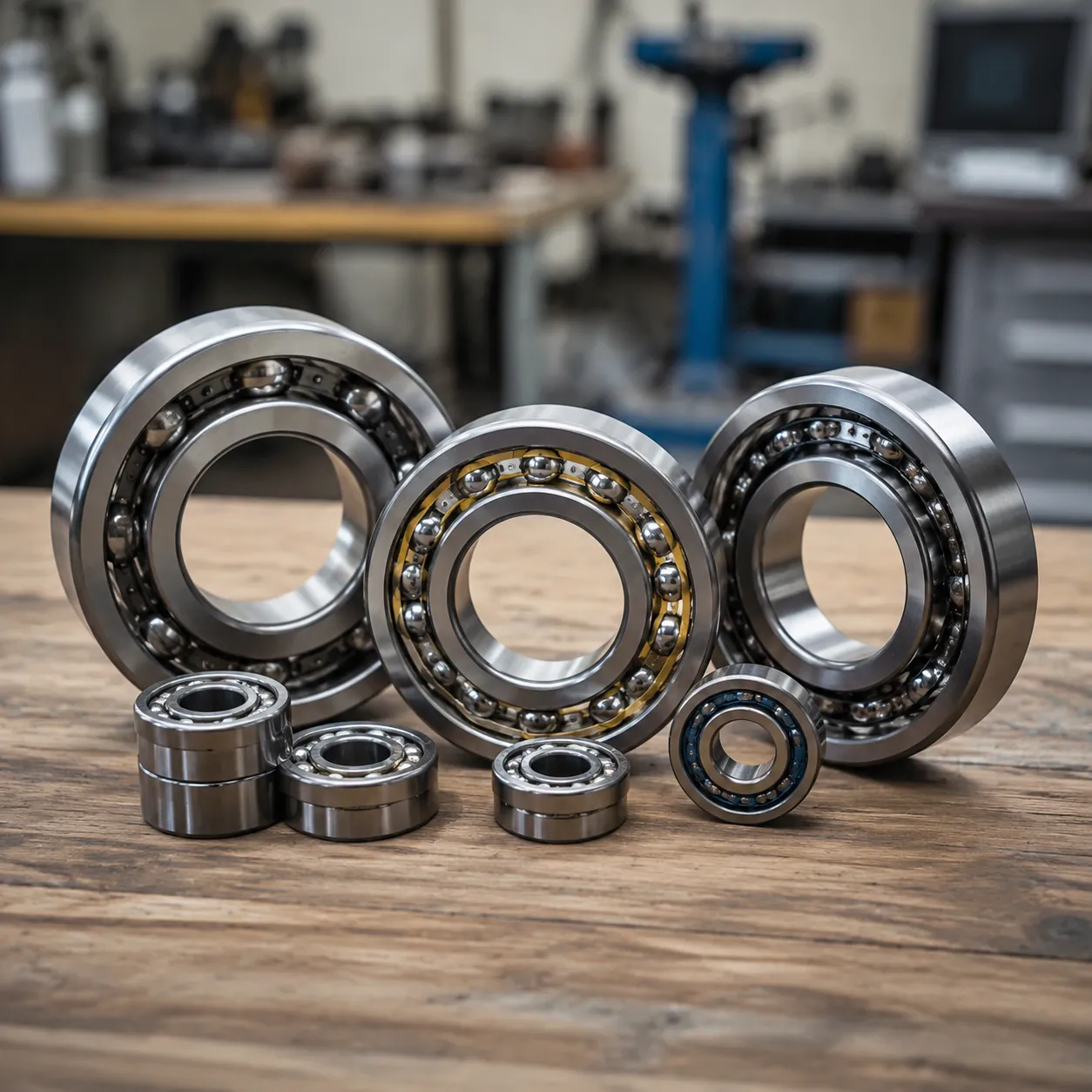
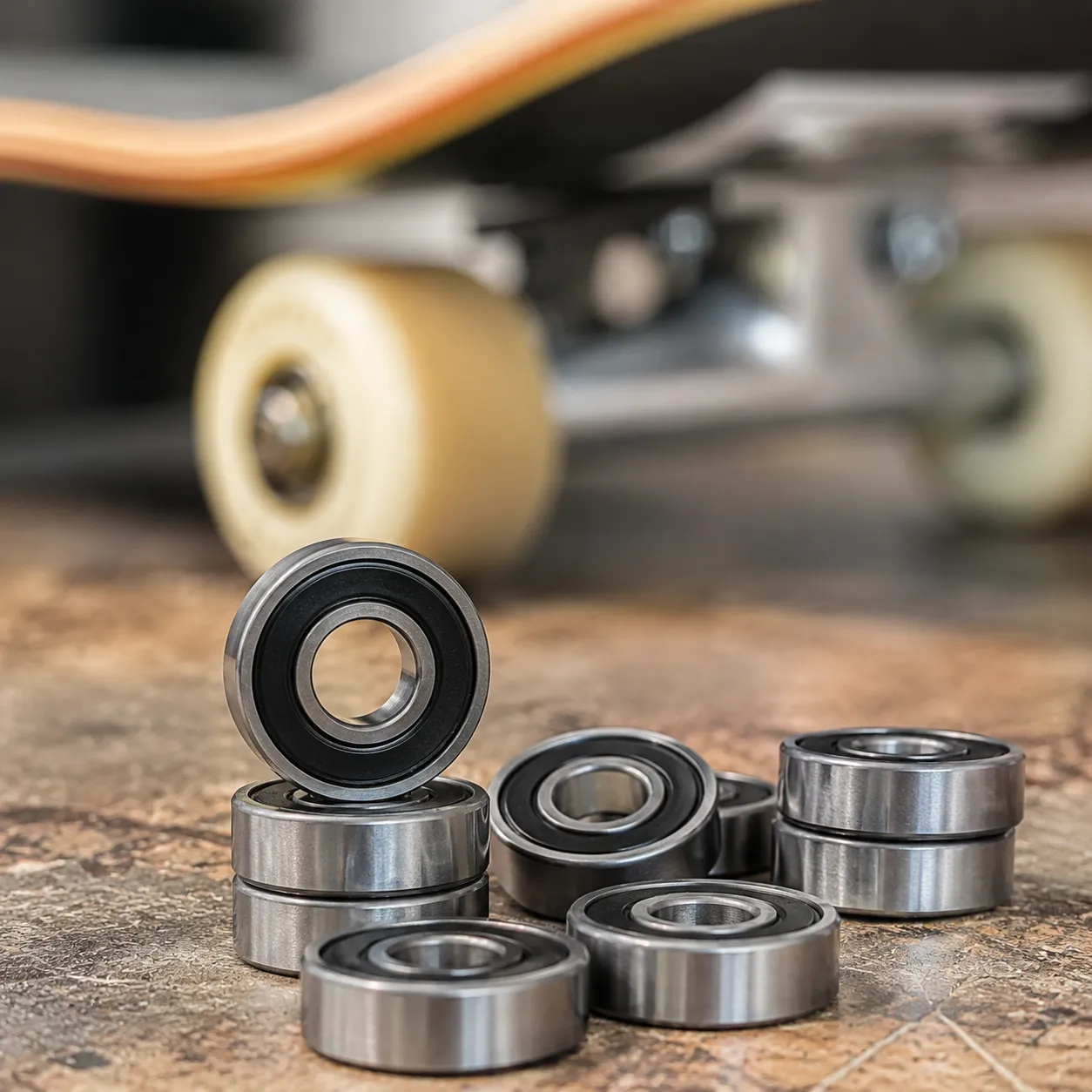
Skateboard deep groove ball bearings in standard 608-2RS and 608RS builds fit 8x22x7mm wheel cores for street decks, longboards, and scooter wheels.
- Seal & steel: Rubber sealed 608-2RS for street grit; chrome steel or economy carbon steel rings with optional ceramic balls.
- Roll speed: Pre-greased synthetic fills or speed oil for high speed park lines; deep raceways absorb landing radial load.
- Cross-fit: One 608 size covers inline skates, roller skates, and 8 mm truck axles—compare OEM tiers to aftermarket Bones REDS-class kits.
608 Skateboard Deep Groove Ball Bearings — 8x22x7mm Key Specifications
Picking the right specs keeps your setup rolling faster and lasting longer. Before buying your next set of skateboard deep groove ball bearings, look closely at these four essential technical factors.
ABEC Ratings vs. Skate Rated Bearings
Don't fall for high numbers alone. The ABEC scale measures industrial precision tolerances for stationary machinery—not how well a bearing handles a five-flat-five drop.
- ABEC 7 vs ABEC 9: Industrial ABEC testing ignores heavy side impacts, dirt, and rough pavement. Higher numbers don't automatically mean higher street speeds.
- Skate Rated Standards: Skate-rated builds use deeper raceways, high-grade chrome steel balls, and shock clearance—performance targets similar to Bones REDS-class aftermarket sets without relying on ABEC numbers alone.
Standard 608 Size (8x22x7mm Dimensions)
Virtually every modern skateboard truck uses standard 8mm axles, making sizing simple across setups.
- Dimensions: Standard 608 size miniature bearings measure 8x22x7mm (8 mm bore, 22 mm OD, 7 mm width).
- Cross-Compatibility: This uniform sizing works across standard skateboard wheels, longboards, inline skates, roller skates, and scooter wheels.
Speed Oil vs. Synthetic Grease
Your choice of skate bearing lubricant dictates top roll speed and how often you need to service your wheels.
| Lube Type | Performance Focus | Roll Speed | Maintenance Level |
|---|---|---|---|
| Pre-greased / Speed Oil | Park, street, and high-speed racing | Maximum free-spin | Regular cleaning & re-oiling |
| Synthetic Grease | Commuting, dirt protection, daily thrashing | Smooth & steady | Pre-greased / ultra-low maintenance |
Nylon Retainers vs. Steel Cages
The cage keeps the ball bearings evenly spaced inside the raceway under stress.
- Nylon Retainers (High-Speed Crown): Lightweight, low-friction, and flexible. They absorb heavy impacts without bending and snap out easily for fast solvent cleaning.
- Steel Cages: Heat-resistant and durable, but harder to pop out for maintenance and slightly heavier underfoot.
608 boundary dimensions and seal codes fixed, raceway geometry and ball grade determine how skateboard deep groove ball bearings handle lateral shock and debris.
What Makes Deep Groove Ball Bearings Ideal for Skateboarding?
Skateboarding places extreme, unpredictable stress on wheel hardware. Deep groove ball bearings are the industry standard because their deep raceway channels maintain structural integrity under brutal landings, high speeds, and heavy lateral forces.
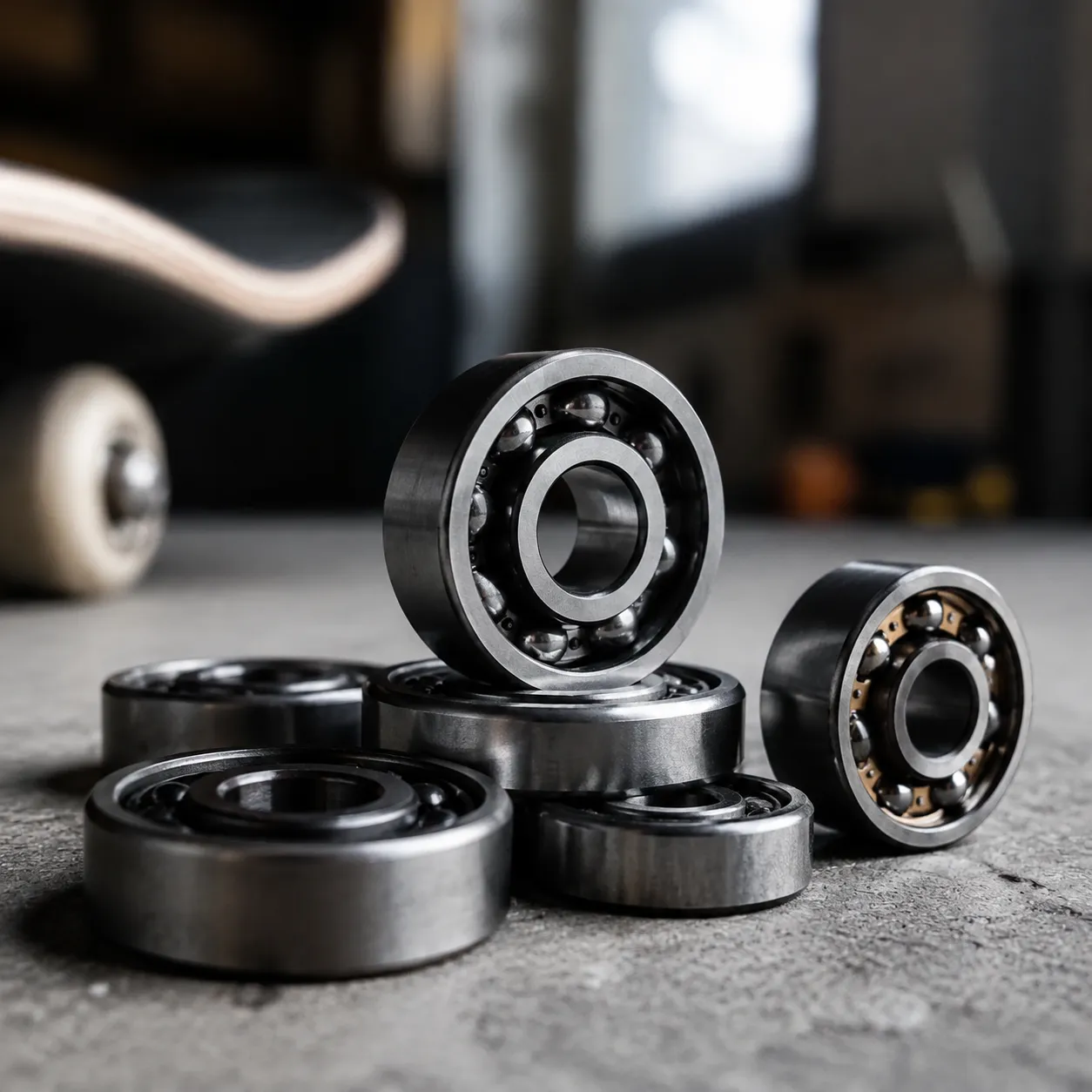
Anatomy of a 608 Deep Groove Ball Bearing
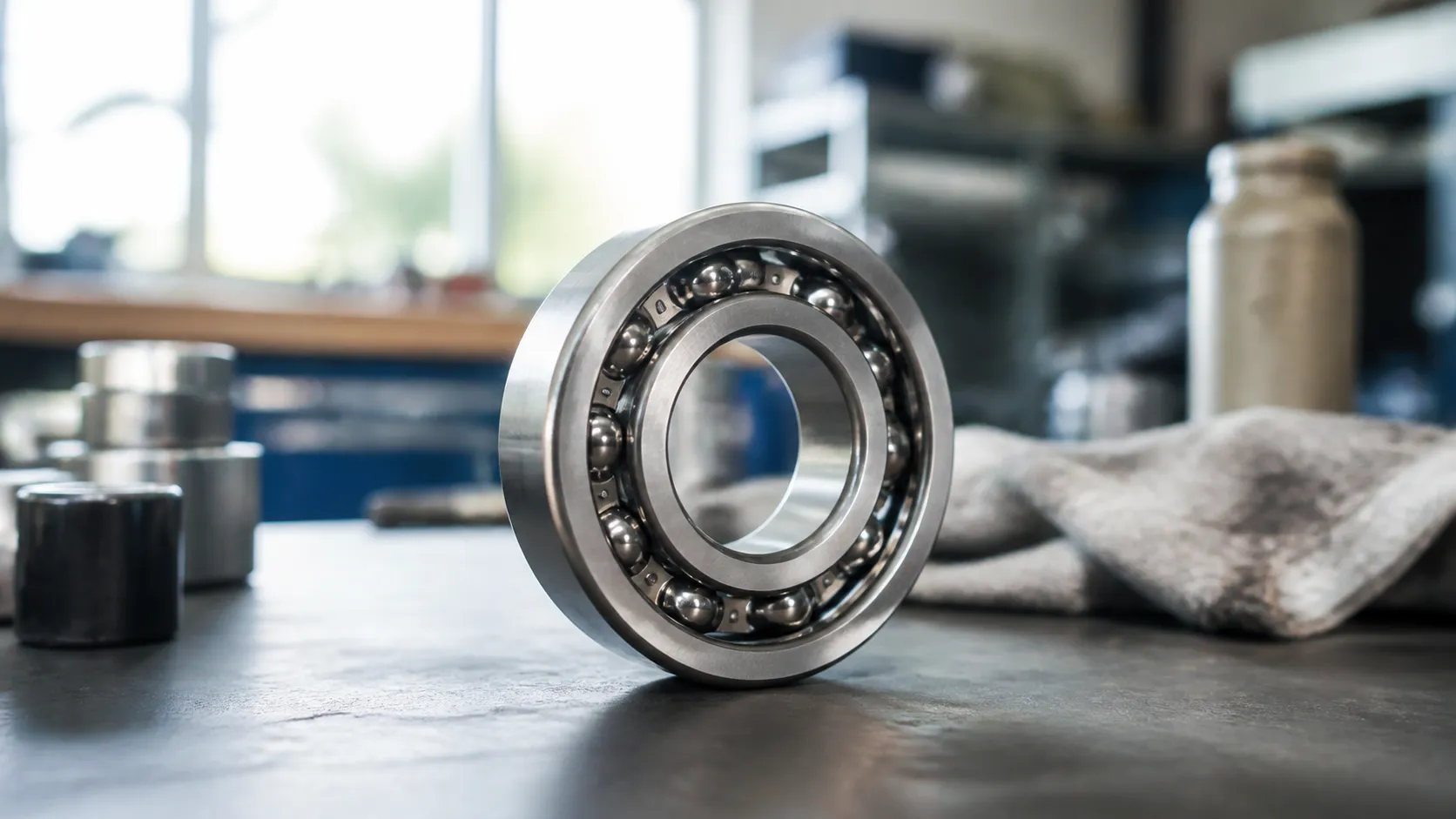
Every standard skateboard wheel relies on the 608 miniature bearing specification (8x22x7mm). Five core elements:
- Outer Race: Mounts directly inside the skateboard wheel core.
- Inner Race: Sits flush on the 8mm truck axle shaft.
- Deep Groove Raceways: Precision-milled tracks that seat the rolling elements securely.
- Balls & Retainer Cage: High-grade balls kept evenly spaced by a low-friction cage.
- Shields/Seals: External protective barriers that retain lubricant and lock out grit.
Handling Radial and Axial Loads
Street and transition skating subject your wheels to two distinct forces:
- Radial Load: Vertical impact from gaps and rough pavement—deep raceways carry primary radial load (see axial load vs radial load in deep groove ball bearings).
- Axial Load: Lateral side-pressure generated when carving hard, power-sliding, or landing off-center.
The deep raceway profile cradles the balls deep inside the ring. This design prevents the balls from jumping the track under severe lateral pressure, ensuring smooth roll speed during high-impact street tricks and fast bowl carving.
Steel vs. Ceramic Ball Materials
| Feature | Chrome Steel Bearings | Ceramic Skate Bearings |
|---|---|---|
| Material | High-carbon chrome steel (premium) or carbon steel (economy kits) | Silicon nitride ceramic—see hybrid deep groove ball bearings for mixed ceramic/steel builds |
| Durability | Excellent impact resistance for stair sets | Harder than steel; completely rustproof |
| Friction & Speed | Smooth, reliable roll | Lower friction, runs cooler at high speed |
| Maintenance | Requires regular cleaning and oil | Impervious to moisture corrosion |
Rubber Seals (2RS) vs. Metal Shields (ZZ)
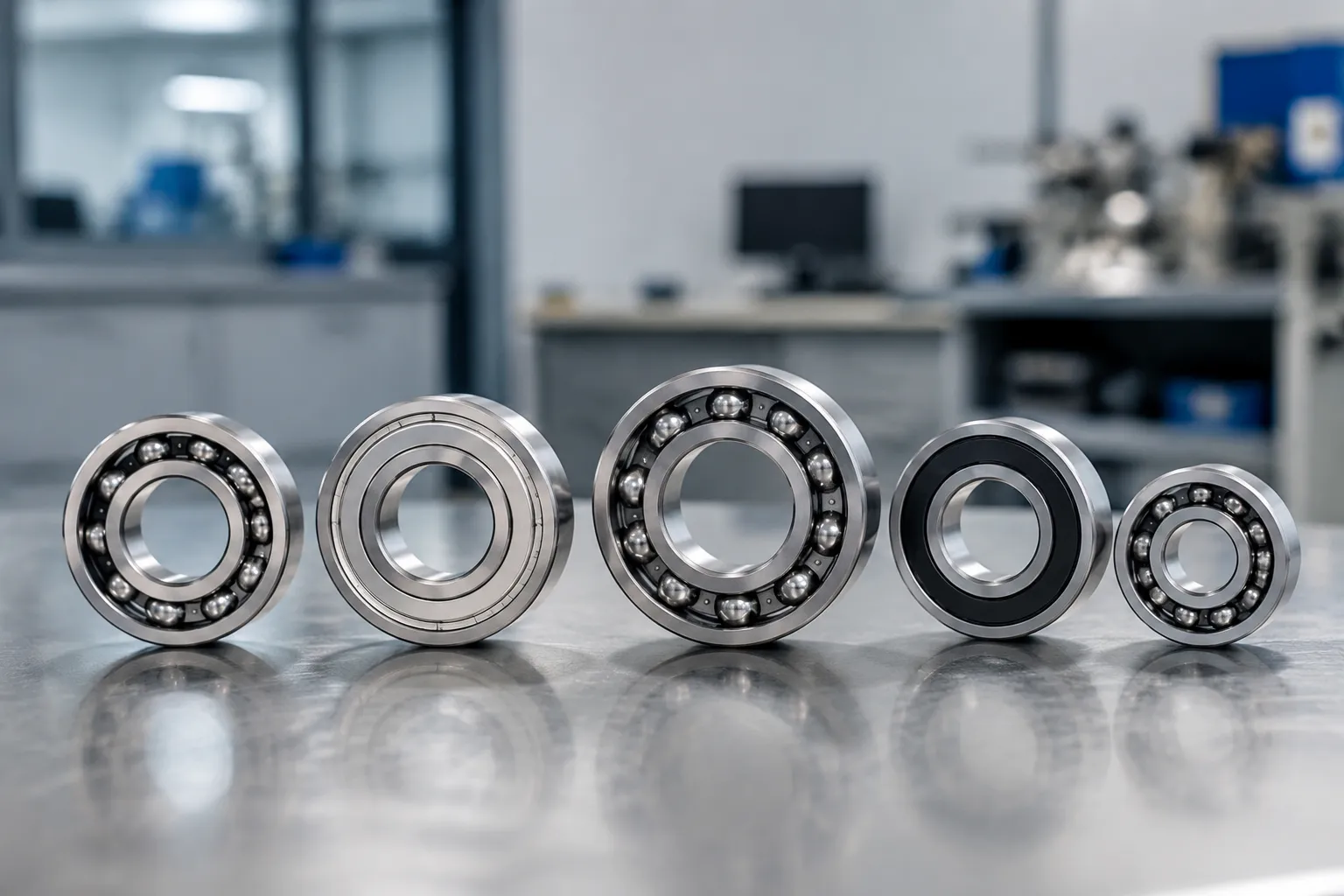
- 608 2RS Bearing (Rubber Sealed): Dual removable rubber sealed lips (608-2RS / 608RS)—see sealed deep groove ball bearings for matched 2RS catalog builds on street and park duty.
- 608ZZ Bearing (Metal Shielded): Features fixed metal shields (608zz bearing). Metal shields offer slightly lower initial friction for smooth indoor park riding, but they are harder to remove for maintenance and provide less moisture protection.
Material and seal choices set the service interval; press-fit discipline and spacers protect 608-2RS raceways during axle tightening.
How to Install and Maintain Skateboard Deep Groove Ball Bearings
Proper installation and routine maintenance keep your skateboard deep groove ball bearings rolling fast, quiet, and smooth. Here is how we recommend handling your setup to maximize performance and shelf life.
How to Press Bearings Into Wheels
Never hammer or apply direct force to the inner race or ball cage, as this deforms the deep groove raceway.
- Step 1: Slide one 608-2RS bearing onto your truck axle with the rubber shield facing outward.
- Step 2: Press the wheel firmly down onto the axle using both hands until the bearing pops flush into the core.
- Step 3: Flip the wheel around and repeat the steps for the secondary bearing.
Why Use Bearing Spacers and Speed Rings
Skipping small hardware shortens your setup's lifespan. Utilizing bearing spacers and speed rings protects your core components:
Bearing Spacers: Sit between both bearings inside the wheel core, preventing lateral crushing when you tighten axle nuts.
Speed Rings: Washers that prevent friction between the outer shield, the axle nut, and the truck hanger.
Benefits: Eliminates axial play, protects raceways during heavy side loads, and maintains top spin speed on all skateboard wheel bearings.
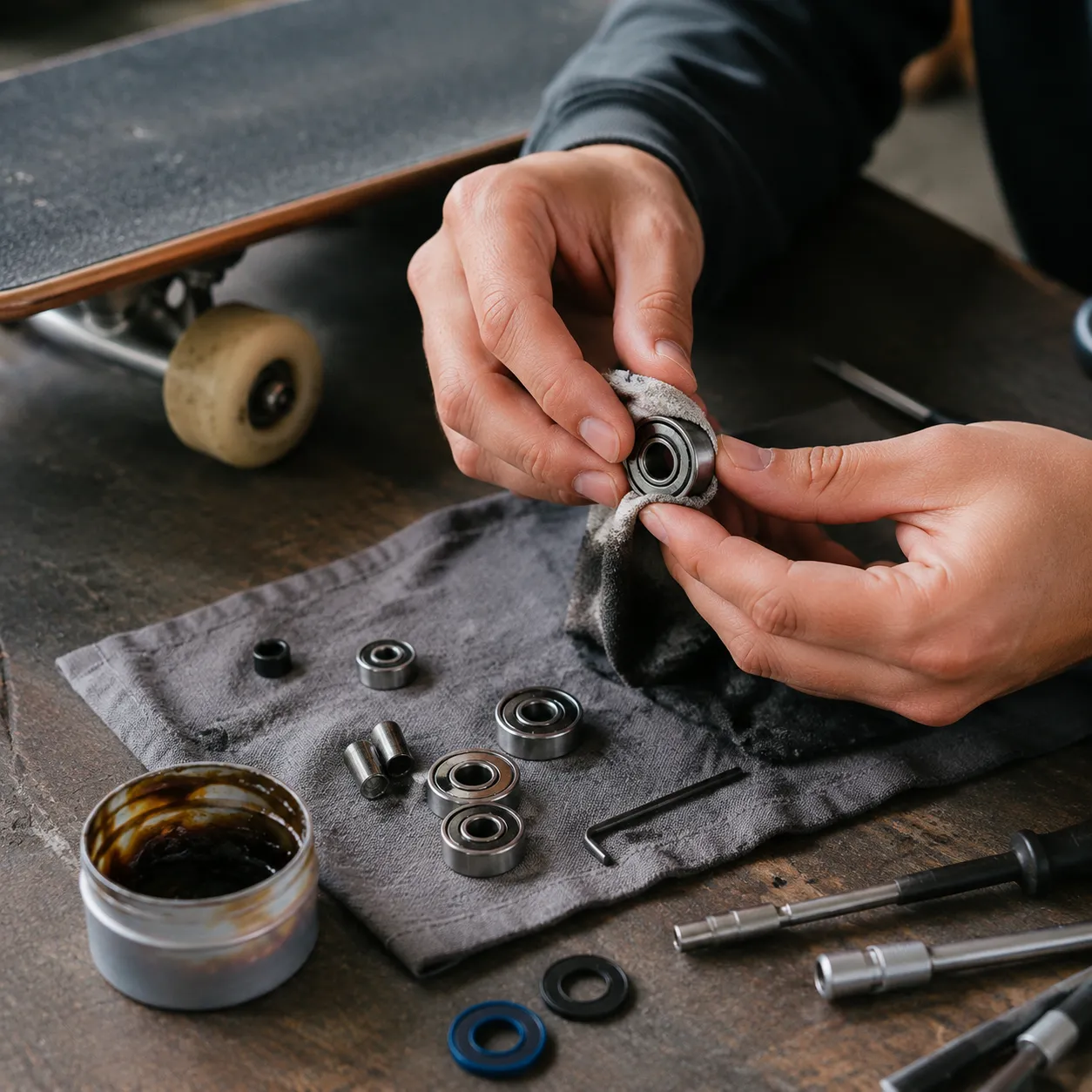
Cleaning and Relubricating Your Bearings
Dirt and street grime slow down your roll over time. Keep them running fast with this quick service routine:
Remove Seals: Use a thin pin or razor blade to gently lift off the rubber shields (on 608RS models).
Flush Dirt: Submerge bearings in a jar with high-purity isopropyl alcohol or standard skate bearing cleaner. Agitate gently to strip away old grease and debris.
Dry Completely: Use compressed air or let them air-dry fully on a clean towel to prevent rust.
Re-lube: Apply 2–3 drops of high-speed skate bearing lubricant directly into the ball track. Spin by hand to spread the oil and press the seals back into place.
Signs Your Bearings Need Replacement
Even high-grade steel bearings eventually reach the end of their service life. Swap out your set if you encounter:
Persistent Grinding Noise: Grit has pitted the deep groove tracks beyond cleaning.
Excessive Axle Slop: The inner race wobbles excessively within the outer ring.
Rust or Discoloration: Water exposure oxidized the balls or raceways, ruining tolerances.
Short Spin Time: Wheels slow down rapidly even after cleaning and fresh lube.
Request a Quote
Share quantity (8 or 16 per deck), seal code (608-2RS / ZZ), steel grade (
chrome steel or carbon steel), and lube preference (
pre-greased vs speed oil) for skateboard deep groove ball bearings pricing.
Contact JN Bearings with wheel brand, target duty (
longboards, street, inline skates, or scooter wheels), and bulk pack count.
Installation and cleaning routines covered, the FAQ compares ABEC labels, wet-weather service, and 608RS maintenance cycles.
FAQs on Skateboard Deep Groove Ball Bearings
Are 608 deep groove ball bearings the only size used in skateboards?
Yes, for almost all modern setups. The 608 size (8x22x7mm) is the universal standard across street skateboards, longboards, roller skates, inline skates, and scooter wheels.
While rare niche setups might use non-standard sizes like 627 or 6900 bearings, we engineer our 608 deep groove ball bearings specifically to match standard 8mm truck axles.
Does a higher ABEC rating mean faster skateboarding speed?
Not in skateboarding. ABEC ratings measure manufacturing precision at 20,000+ RPM under zero-load industrial conditions. They ignore key skateboarding factors like impact forces, heavy radial and axial loads, and street debris.
- ABEC 7 vs ABEC 9: The speed difference on a skateboard is unnoticeable.
- Skate Rated Bearings: These bearings are designed to prioritize impact resistance, easy maintenance, and real-world roll speed over rigid industrial rating systems.
Can you ride deep groove bearings in wet weather?
Avoid water. Moisture washes away skate bearing lubricant and leads to rust on standard chrome steel balls and races.
If your 608-2RS set gets soaked:
- Pop off the rubber sealed shields.
- Flush grit with skate bearing cleaner or isopropyl alcohol.
- Apply synthetic speed oil or pre-greased refill before riding.
- Ceramic balls resist rust; chrome steel races still need drying.
How often should I clean and oil my skate bearings?
Maintenance frequency depends on your local terrain and riding style:
- Regular Street & Park Riding: Clean and lube every 2 to 3 months.
- Dusty or Rough Conditions: Clean every 3 to 4 weeks.
- Immediate Cleaning Required: If you ride through water, mud, or sand.
- Warning Signs: Clean your skateboard wheel bearings immediately if they sound dry, feel gritty, or stop spinning freely.