Overview
High Speed Deep Groove Ball Bearings
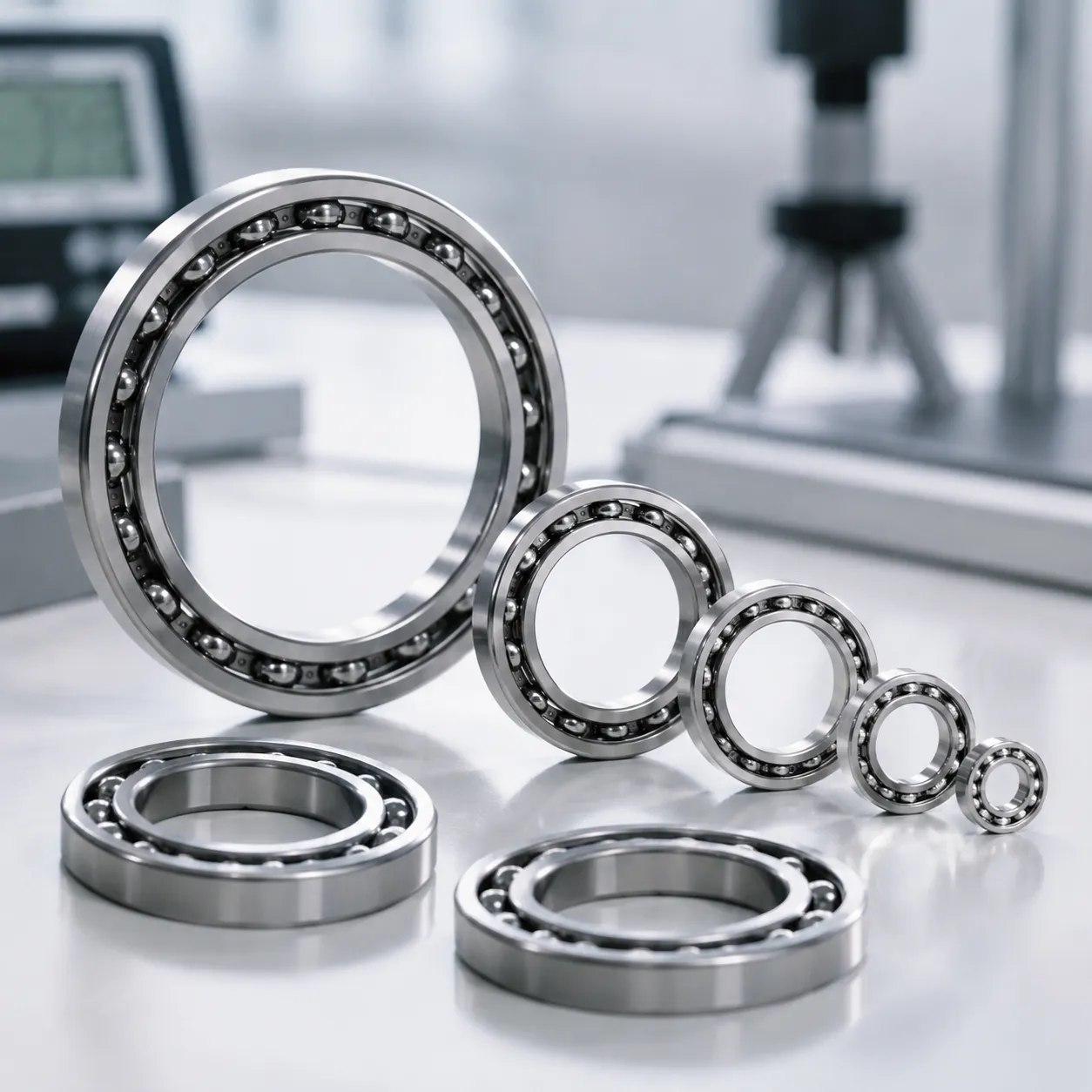
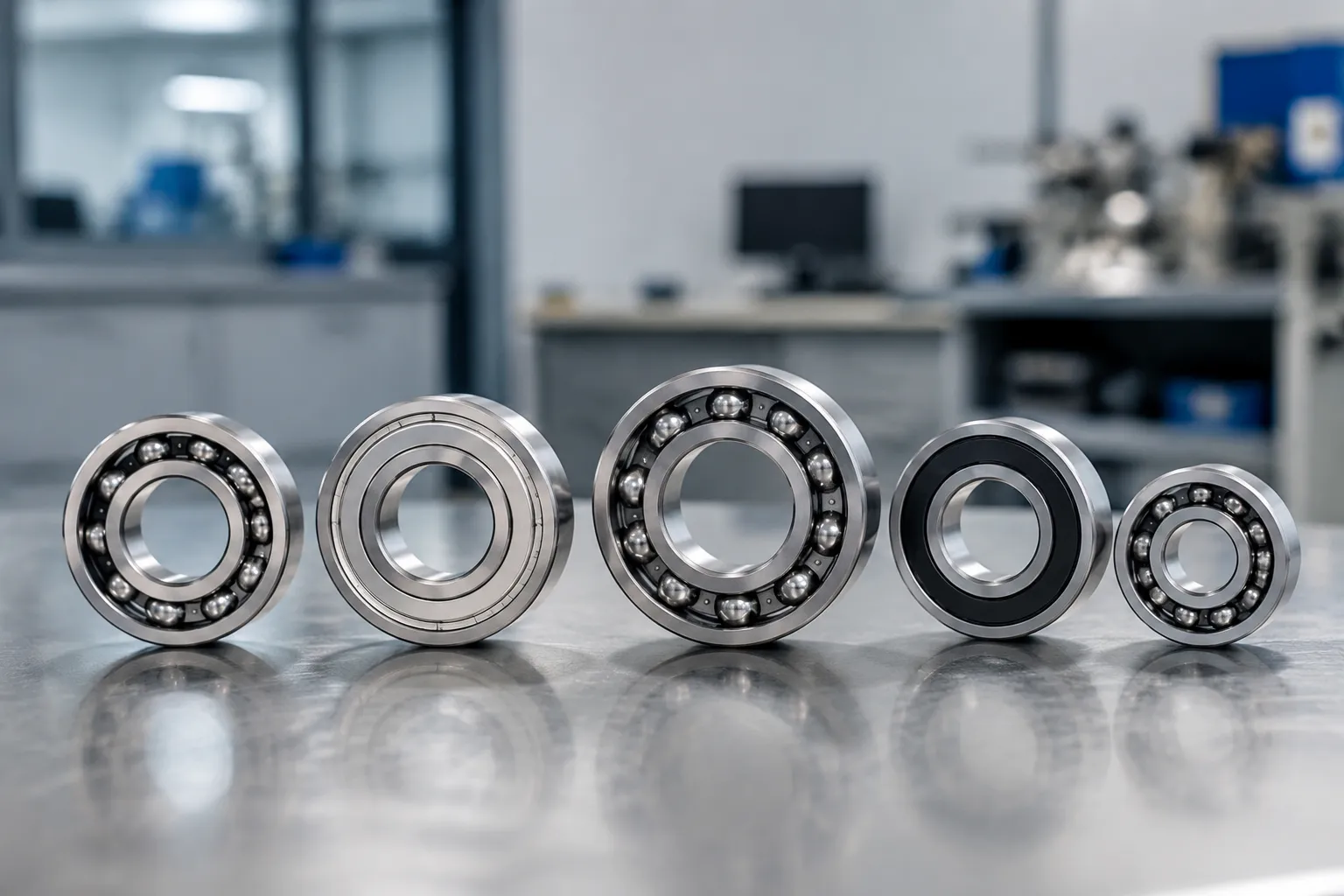
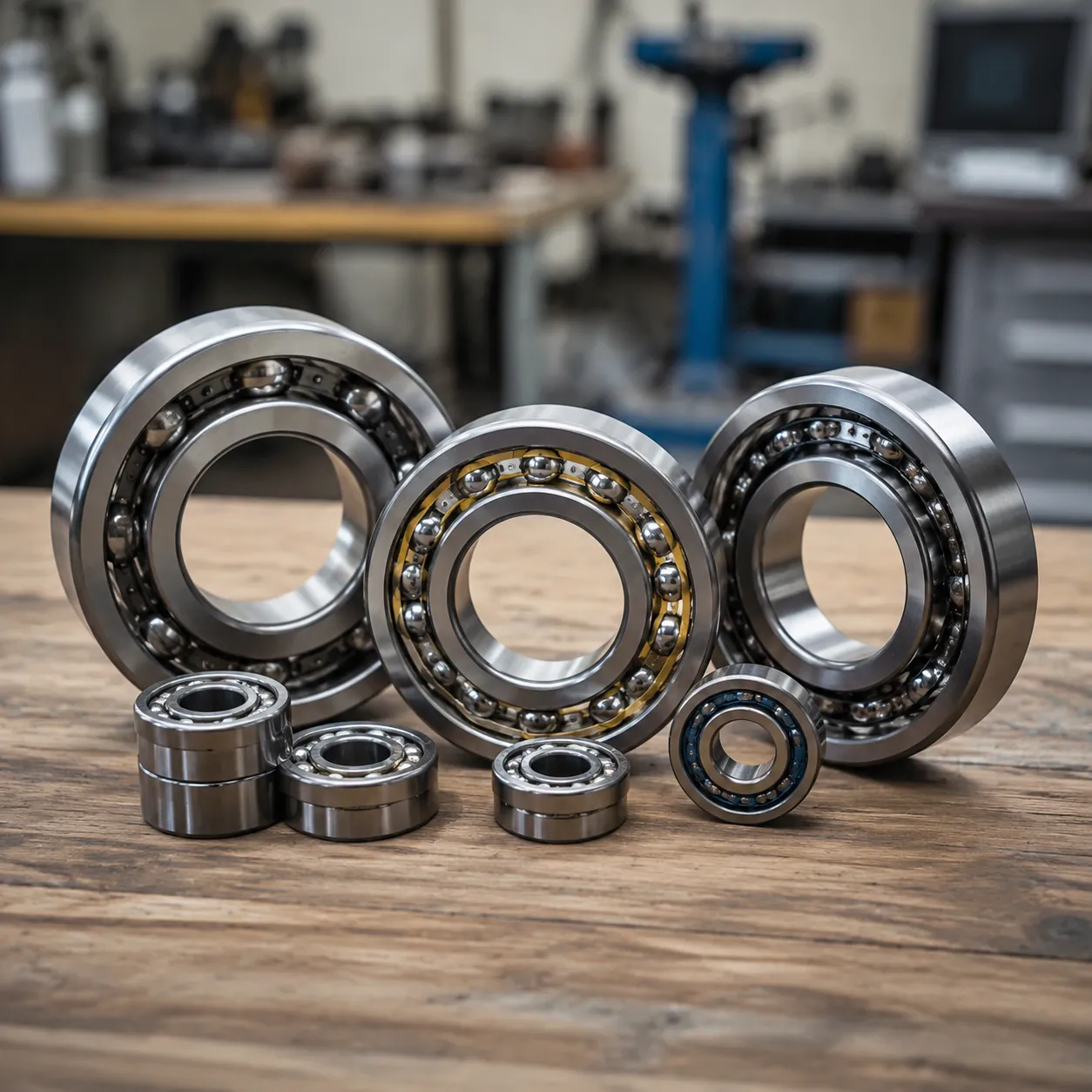
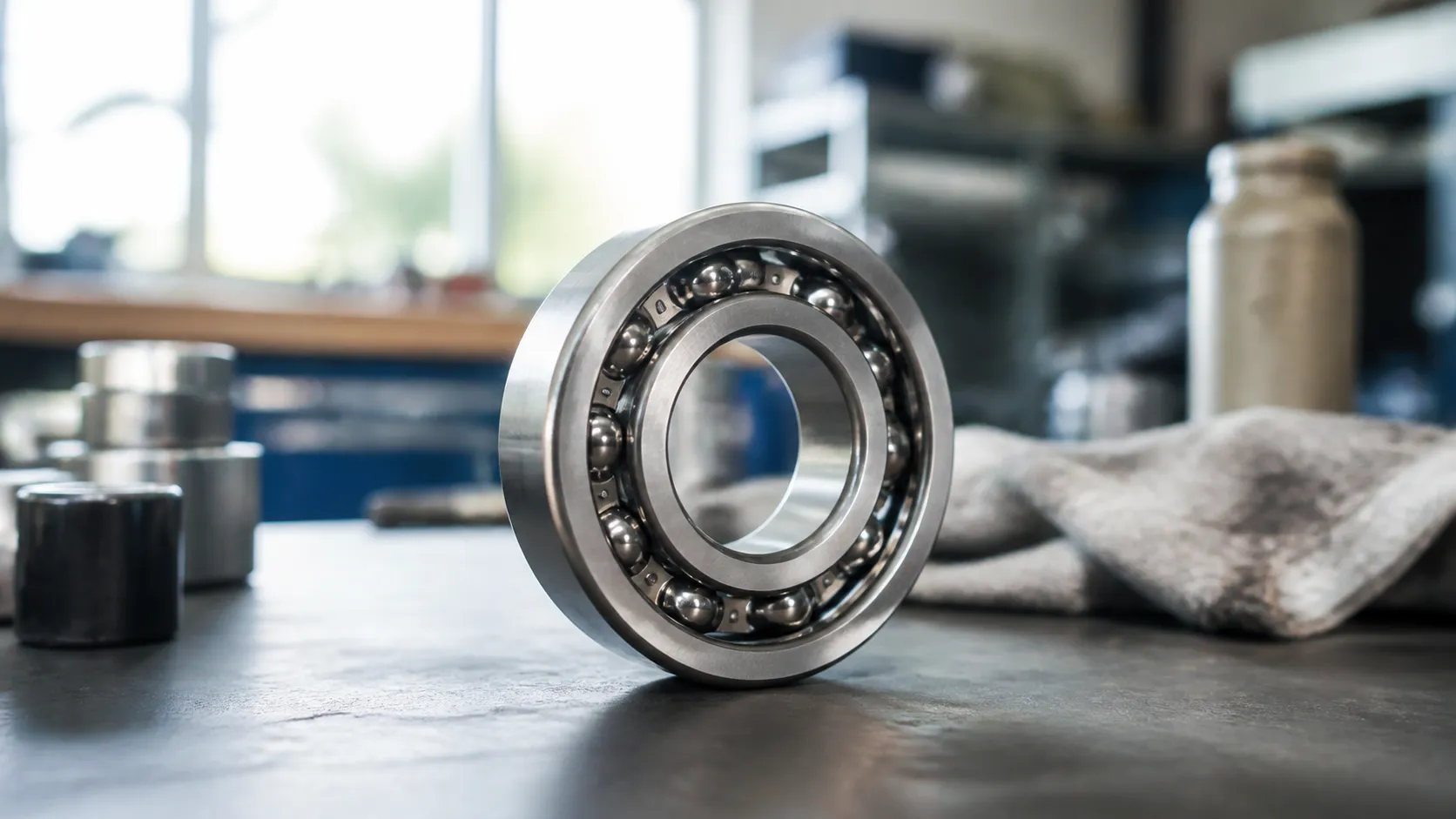
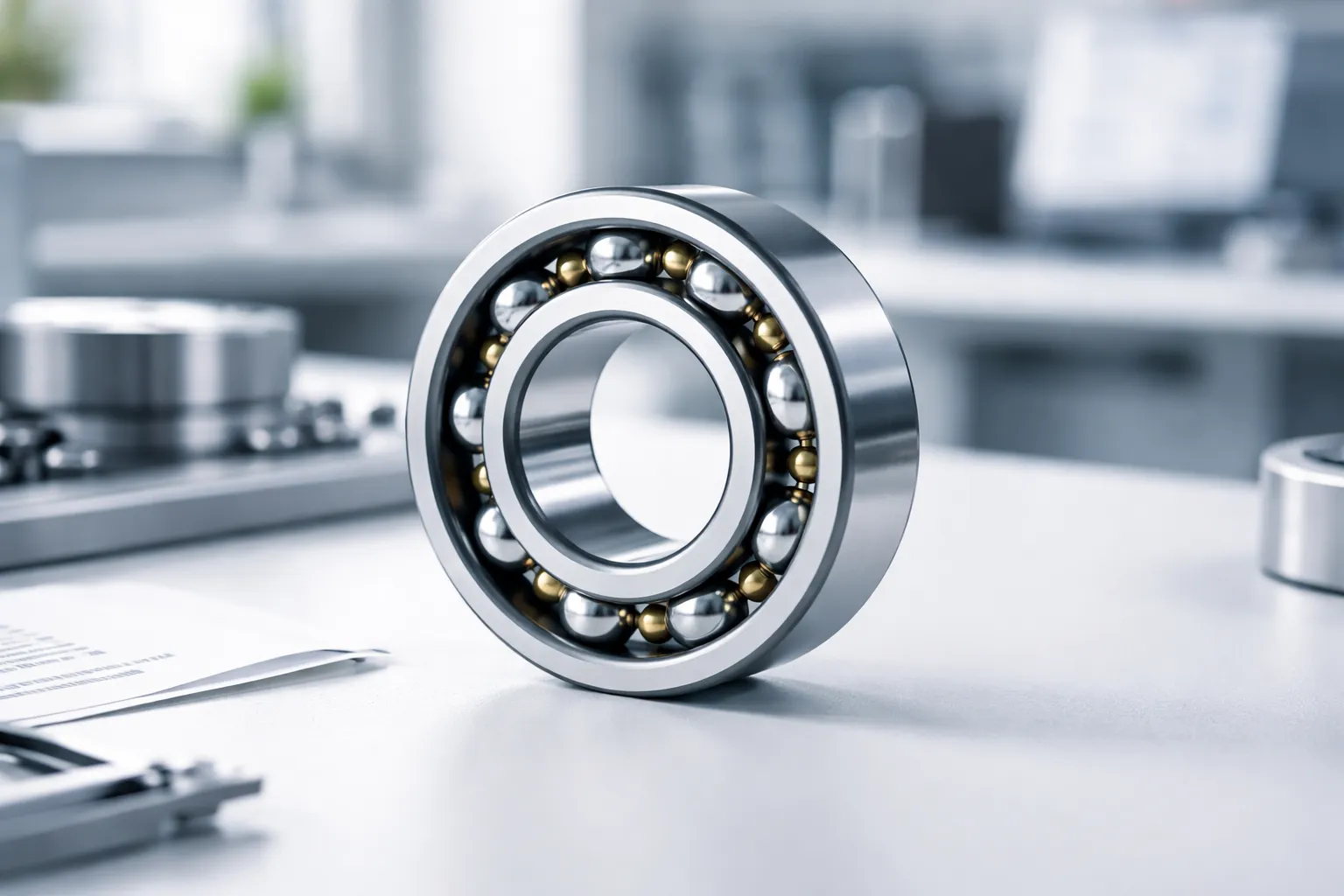
High speed deep groove ball bearings are precision-engineered components designed to rotate at elevated RPMs while maintaining stability, low friction, and minimal heat buildup. As a leading manufacturer and supplier, we optimize these radial bearings to handle both high rotational speeds and moderate radial or axial loads.
They serve as the backbone for demanding hardware, ranging from electric motors and high-performance pumps to precision 3D print assemblies.
Core Design Features for High RPM
Standard bearings fail at high speeds due to centrifugal forces, friction, and thermal expansion. Our high speed deep groove ball bearings overcome these limitations through targeted design upgrades:
- Optimized Raceways: Super-finished grooves minimize surface roughness, directly reducing friction, noise, and vibration.
- Advanced Cage Geometry: Lightened cages reduce mass, lowering the centrifugal forces exerted on the bearing internal structure at high RPMs.
- Precision Ball Complement: High-grade chrome steel balls or ceramic hybrid variants ensure uniform weight distribution and perfect balance during rapid rotation.
How They Differ from Standard Ball Bearings
The primary difference lies in internal engineering tolerances, clearance, and material selection. Standard bearings prioritize static load capacity at lower speeds. High-speed variants prioritize dynamic stability and heat dissipation.
| Feature | Standard Ball Bearings | High Speed Deep Groove Bearings |
|---|---|---|
| Internal Clearance | Normal (CN) | Controlled C3 or C4 clearance (prevents seizure from thermal expansion) |
| Precision Rating | ABEC 1 to ABEC 3 | ABEC 5, ABEC 7, or higher |
| Cage Material | Stamped steel | Polyamide, phenolic resins, or machined brass |
| Friction & Noise | Moderate | Ultra-low friction and low noise |
Typical Speed Ratings and Limits
A bearing's speed capability is determined by its limiting speed, which represents the maximum RPM the bearing can safely sustain without mechanical failure or overheating. This limit depends heavily on the lubrication method used.
- Grease Lubrication: Typically limits speeds to roughly 70% to 80% of the bearing's absolute maximum capacity due to grease churning resistance. Often utilized in sealed or shielded configurations like the common 608zz size.
- Oil Lubrication: Allows the bearing to reach its true maximum limiting speed by providing continuous cooling and minimal viscous drag.
Maximum RPM limits scale with the bearing size; smaller bore diameters can safely achieve speeds exceeding 30,000 RPM, whereas larger industrial motor bearings are strictly rated based on their specific factor calculations.
Key Specs for High Speed Deep Groove Ball Bearings
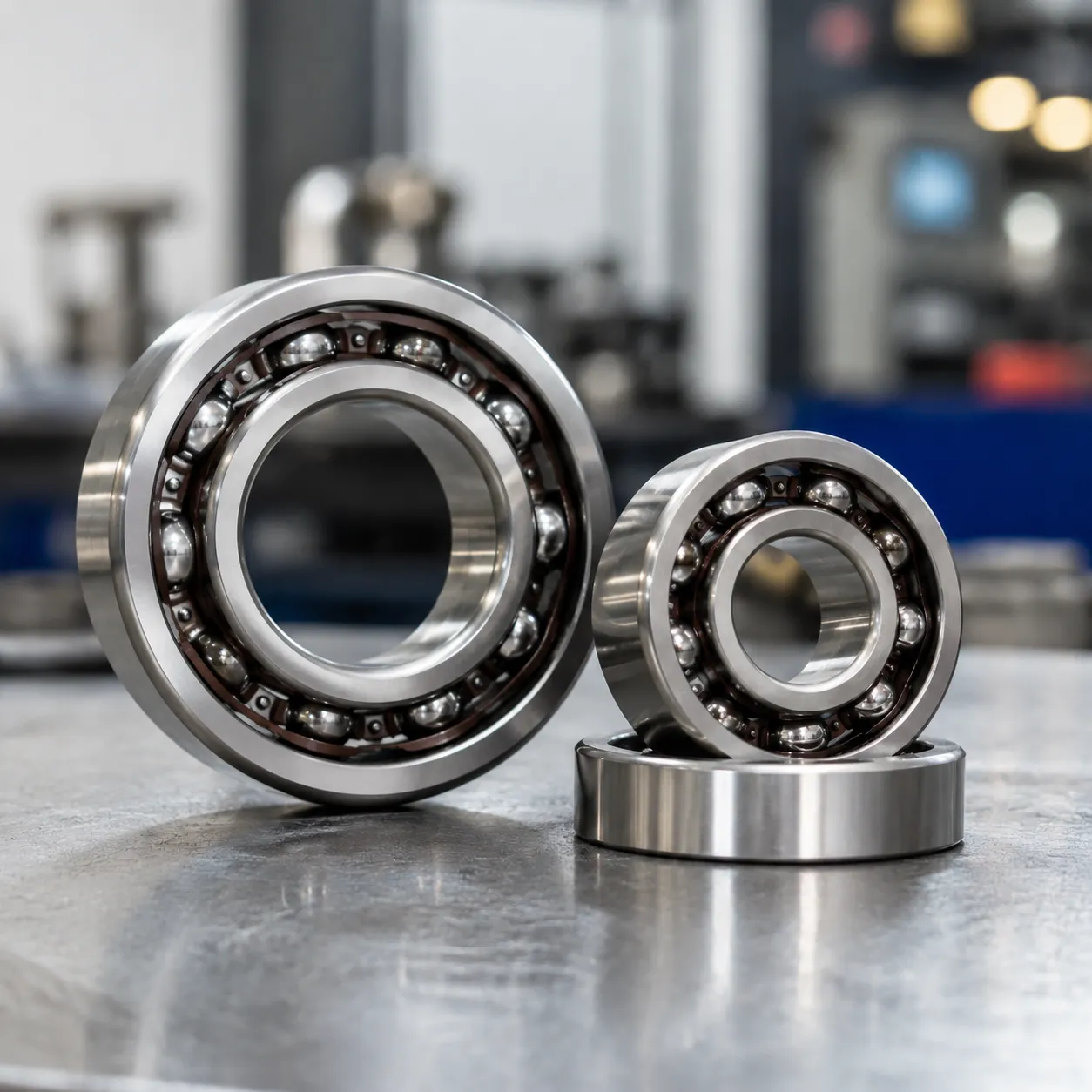
When sourcing high speed deep groove ball bearings, picking the right specs makes the difference between flawless operation and early equipment failure. As a leading high speed deep groove ball bearings manufacturer, we focus on four critical technical benchmarks to ensure your setup handles high RPMs without breaking a sweat.
Precision Ratings (ABEC vs. ISO)
Precision dictates how smoothly a bearing runs at high rotational speeds. Higher ratings mean tighter tolerances, less vibration, and lower heat buildup. For high RPM applications, we move past standard grades to deliver elite performance.
| Standard | Standard Precision | High Precision | Ultra High Precision |
|---|---|---|---|
| ABEC | ABEC 1 / ABEC 3 | ABEC 5 | ABEC 7 / ABEC 9 |
| ISO | Class Normal / Class 6 | Class 5 | Class 4 / Class 2 |
| Best For | General motors, pumps | Electric motor bearings | CNC spindles, aerospace |
C3, C4, and C5 Internal Clearance
At high speeds, friction creates heat, causing the bearing components to expand. If your bearing starts with a tight fit, it will lock up. We build extra room into our precision radial bearings to counteract this thermal expansion.
- C3 Internal Clearance: The go-to standard for most electric motor bearings. It offers just enough extra room to handle normal high-speed heat expansion without sacrificing shaft stability.
- C4 Clearance: Engineered for higher heat zones or heavy radial loads where temperature differentials between the inner and outer rings are more pronounced.
- C5 Clearance: Reserved for extreme high-temperature environments or specialized high-RPM industrial gearboxes.
Cage Materials: Steel vs. Polyamide vs. Phenolic
The cage keeps the balls separated and guided. At high speeds, the wrong cage material will fail due to centrifugal force and friction.
- Pressed Steel: Dependable and cost-effective for standard speeds, but adds weight and friction at extreme RPMs.
- Polyamide (Nylon) Cages: Lightweight, quiet, and offers excellent low friction properties. Ideal for high-speed appliances and automotive alternators.
- Phenolic (Resin): The gold standard for ultra-high speeds. These cages are incredibly light, hold lubrication well, and minimize centrifugal forces in CNC spindles.
Ball Materials: Ceramic Hybrid vs. Chrome Steel
The material of the rolling elements directly impacts your limiting speed RPM and overall load capacity.
[Bearing Balls]
│
├──► Chrome Steel Balls ───► Great radial load capacity, cost-effective, standard high speed.
│
└──► Ceramic Hybrid (Si3N4) ► 40% lighter, runs cooler, zero micro-welding, maximum RPMs.
- Chrome Steel: Reliable, tough, and the economic choice for high-speed applications with standard operating temperatures.
- Ceramic Hybrid Bearings: These use silicon nitride balls paired with steel races. Because ceramic is lighter and harder than steel, it reduces centrifugal force, cuts down friction, and extends service life significantly at extreme velocities.
Main Benefits of High Speed Deep Groove Ball Bearings
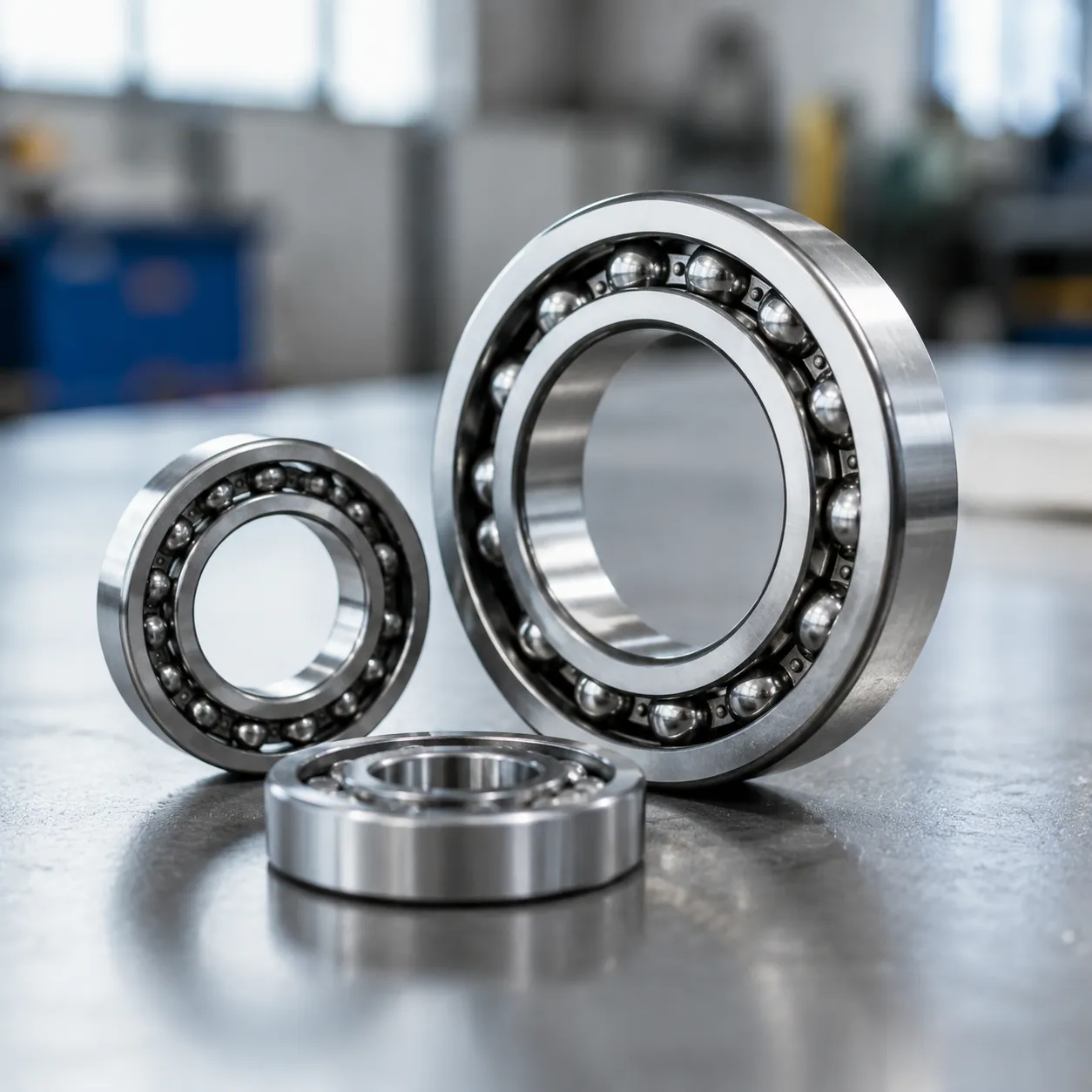
When your equipment runs at extreme RPMs, standard bearings simply won't cut it. They overheat, vibrate, and fail prematurely. Engineering our high speed deep groove ball bearings with precision geometries and advanced materials solves these exact pain points, delivering distinct operational advantages for demanding US industrial applications.
Performance Advantages at High RPM
| Benefit | How It Works | Direct Impact on Your Operation |
|---|---|---|
| Low Friction & Less Heat | Optimized raceway tracks and ultra-smooth ball surfaces minimize contact resistance. | Prevents thermal expansion, keeping running temperatures low and stable. |
| Extended Service Life | Premium chrome steel or ceramic hybrid components resist wear under high rotational speeds. | Reduces maintenance downtime and lowers your total cost of ownership. |
| Low Energy Consumption | Reduced rotational torque means the motor doesn't have to work as hard to maintain speed. | Cuts power draw, improves energy efficiency, and reduces wear on drive systems. |
| High Rotational Accuracy | Strict precision tolerances eliminate shaft wobble and runout. | Delivers smooth operation with low noise and low vibration at maximum velocities. |
Built for Reliability and Stability
We manufacture these bearings to handle both radial loads and moderate axial loads seamlessly. By maintaining strict control over internal clearance and cage balancing, our high-speed radial bearings ensure absolute stability. Whether you are building high-RPM electric motors, precision pumps, or fast-spinning gearboxes, upgrading to dedicated high speed deep groove ball bearings ensures your hardware stays online longer, runs quieter, and operates with maximum efficiency.
High Speed Deep Groove Ball Bearings Applications
We engineer our high speed deep groove ball bearings to perform flawlessly across demanding industries. When your equipment runs at extreme RPMs, you need components that handle the heat, reduce vibration, and keep rolling without unexpected downtime.
Here is where our high-speed radial bearings deliver maximum value:
Electric Motors and High-Speed Appliances
- Electric Motor Bearings: We supply the core components for EV motors, HVAC blowers, and premium household appliances. Our bearings ensure low noise and low vibration at maximum RPMs.
- Pumps and Gearboxes: High rotational speeds require optimized friction control to prevent premature wear.
Automotive Alternators and Turbochargers
- Alternators: Modern charging systems spin faster than ever. Our bearings handle the constant RPM shifts effortlessly.
- Turbochargers: Extreme heat meets extreme speed. We utilize advanced materials to keep these critical parts spinning freely.
CNC Machining Spindles and Power Tools
- Spindle Bearings: Accuracy is everything in CNC routing and milling. Our high-precision designs eliminate runout for clean cuts.
- Power Tools: From die grinders to routers, we build our components to survive rugged, high-RPM daily abuse.
Aerospace and Medical Equipment
- Medical Devices: High-speed dental drills and surgical tools require absolute precision and smooth rotation.
- Aerospace Systems: Lightweight, reliable, and capable of handling complex radial loads and axial loads under tough conditions.
| Application Type | Primary Requirement | Recommended Setup |
|---|---|---|
| Electric Motors | Low noise & low vibration | Sealed or shielded chrome steel |
| CNC Spindles | Maximum rotational accuracy | Ceramic hybrid bearings |
| Power Tools | Dust protection & high RPM | Rubber sealed (608zz styles & larger) |
As a dedicated high speed deep groove ball bearings manufacturer and high speed deep groove ball bearings supplier, we stock a massive inventory ready for domestic shipping. Whether you need a reliable wholesale high speed deep groove ball bearings partner for production or specific components for high-tech machinery, we keep your operations moving.
Lubrication Strategies for High RPMs
When you are running high speed deep groove ball bearings, your choice of lubrication makes or breaks the application. At extreme rotational speeds, the wrong setup leads to immediate friction, heat buildup, and catastrophic failure.
Choosing Between High-Speed Grease and Oil Lubrication
The debate between grease and oil comes down to your operating environment and the exact limiting speed RPM you need to hit.
| Lubrication Type | Best For | Pros | Cons |
|---|---|---|---|
| High-Speed Grease | Sealed/shielded electric motor bearings, power tools, pumps | Easy to contain, low maintenance, excellent for 608zz and pre-lubricated sealed options | Higher initial churning friction, slightly lower top speed limit |
| Oil Lubrication (Mist or Jet) | CNC machining spindles, turbochargers, aerospace equipment | Maximum high rotational speeds, carries heat away, lowest possible low friction | Requires complex delivery systems, prone to leakage if not sealed properly |
Proper Fill Quantities to Prevent Overheating
More grease is not better. Overpacking a bearing causes a nightmare scenario called "churning." The balls have to push through too much material, which spikes the temperature and destroys the lubricant.
- High-Speed Rule of Thumb: For high RPMs, restrict the grease fill to 15% to 25% of the bearing’s internal free space.
- Standard Loads: Only use a 30% fill if the speed is moderate and the radial load capacity requires extra dampening.
- Oil Jet Delivery: Ensure the oil jet aims directly between the cage and the inner ring to lubricate the contact zone without pooling.
Re-Lubrication Intervals and Maintenance Tips
High speeds degrade lubricants fast. We manufacture our bearings to tight tolerances, but keeping them running requires a disciplined maintenance routine.
- Monitor Temperature Profiles: A sudden temperature jump means the high temperature bearing grease is breaking down or the volume is depleted.
- Calculate by Hours: For continuous high-speed setups (like electric motors or gearboxes), re-lubricate every 1,000 to 3,000 operating hours depending on the thermal load.
- Keep It Clean: Contamination kills high-speed components. Always clean the grease fittings and use filtered, moisture-free oil systems to maintain low noise and low vibration performance over an extended service life.
How to Select the Right High Speed Deep Groove Ball Bearings
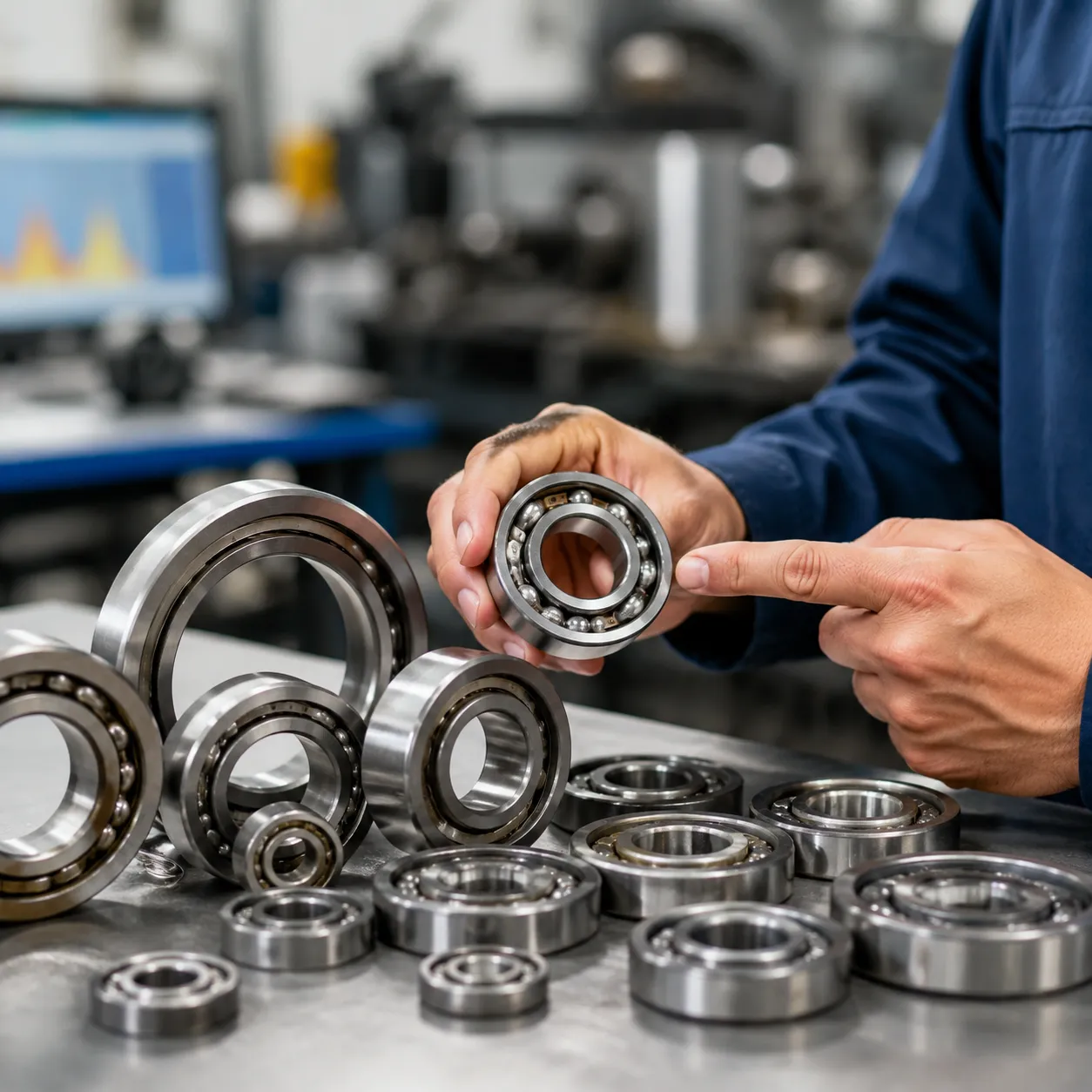
Choosing the right high speed deep groove ball bearings for your setup comes down to balancing raw speed with real-world operating conditions. If the bearing can’t handle the force or the environment, your equipment faces premature failure. As a leading high speed deep groove ball bearings manufacturer, we focus on three critical factors to ensure you get the perfect fit.
Load Capacity: Radial vs. Axial Forces
While deep groove bearings are primarily designed to handle a high radial load capacity, they can also manage some axial loads (thrust loads) in both directions.
- Radial Loads: Force applied perpendicular to the shaft (common in belt drives and electric motors).
- Axial Loads: Force applied parallel to the shaft.
- The Balance: High rotational speeds significantly reduce a bearing's ability to handle combined loads. If your application features heavy thrust forces alongside high RPMs, you must downrate the calculated life or consider a hybrid design.
Determining the Limiting Speed RPM
Every bearing has a strict limiting speed RPM beyond which mechanical integrity degrades due to heat buildup.
| Bearing Type | Speed Capability | Best Used For |
|---|---|---|
| Standard Chrome Steel | Baseline Speed | Standard motors, pumps, and gearboxes |
| Polyamide Cage Bearings | High Speed | Applications needing low friction and low vibration |
| Ceramic Hybrid Bearings | Ultra-High Speed | Spindle bearings, turbochargers, and extreme RPMs |
Pro Tip: Continuous operation at or near the limiting speed requires precise lubrication management and optimized internal clearance to prevent catastrophic seizing.
Environmental Factors: Temperature, Sealing, and Contamination
The running environment dictates how long your bearing survives. High speeds generate internal heat, but external factors can compound the issue.
- Temperature: Elevated operating temperatures require specialized high temperature bearing grease and stabilization treatment for the steel to prevent dimensional changes.
- Shielded vs. Sealed: A shielded bearing (like a 608zz) offers low drag for maximum speed but less protection. A sealed bearing keeps contamination out completely but introduces slight friction from the rubber contact lip.
- Contamination Control: In dirty or dusty environments, even microscopic debris will cause rapid wear at high velocities. Matching the sealing configuration to your ambient conditions is non-negotiable for achieving an extended service life.
FAQs About High Speed Deep Groove Ball Bearings
Why is my high-speed bearing overheating?
Overheating usually comes down to three main culprits: too much grease, wrong lubrication type, or excessive loads. At high rotational speeds, extra grease gets churned up, creating friction and trapping heat. Missing your alignment targets or putting too much axial load on precision radial bearings will also spike the temperature fast.
Can I replace a steel bearing with a hybrid ceramic bearing?
Yes, and it is one of the easiest ways to boost your limiting speed RPM. Ceramic hybrid bearings use ultra-smooth silicon nitride balls with chrome steel rings. They are lighter, generate less friction, and handle high RPM ball bearings workloads much better than standard steel options.
What does a C3 clearance mean for high-speed applications?
A C3 internal clearance means the bearing has extra room between the balls and the races. When electric motor bearings spin at high speeds, they get hot and the metal expands. That C3 gap prevents the bearing from binding up as temperatures rise, keeping your setup running smooth without locking.
How do I extend the life of my high-speed bearings?
- Watch the grease level: Stick to a 30% to 50% fill with high temperature bearing grease to avoid churning.
- Keep it clean: Use sealed or shielded options like the 608zz for dirty environments or 3D print setups to keep contaminants out.
- Check alignments: Perfect alignment reduces uneven radial load capacity strain, ensuring an extended service life and low vibration.