
Thrust Ball Bearings Customization & Wholesale
High-Precision Thrust Ball Bearings for Axial Loads
Designed to handle heavy single or double-direction axial loads with exceptional rigidity and running accuracy.
JN Bearings leverages decades of expertise to deliver thrust ball bearings that ensure optimal performance for automotive, machine tools, and heavy industrial machinery equipment.
Principles and Core Advantages of Precision Thrust Ball Bearings
Thrust ball bearings are highly specialized rolling-element bearings engineered strictly to manage pure axial loads—forces acting parallel to the shaft. By design, they are entirely incapable of handling radial forces. This distinct physical characteristic makes exact application matching critical for achieving maximum service life and maintaining mechanical stability.
Operating optimally in low to moderate-speed environments, these bearings are essential for absorbing intense directional forces. They form the critical support backbone in diverse applications, ranging from automotive clutch release systems and precision machine tool rotary tables to heavy-duty crane hooks and industrial fluid pumps.
Components of Thrust Ball Bearings
Understanding the internal geometry is key to proper installation. A standard unit is composed of three precise, interlocking components:
- Shaft Washer (Shaft Ring): Designed with a precision ground raceway, this ring seats firmly against the shaft shoulder and rotates concurrently with the shaft.
- Housing Washer (Seat Ring): Featuring a slightly larger bore to clear the shaft, this stationary ring mounts within the housing to absorb the transmitted axial forces.
- Ball and Cage Assembly: Highly calibrated steel balls housed in a cage (stamped steel, machined brass, or polymer) that roll seamlessly to transfer loads with minimal friction.
This separable bearing design is a major operational advantage. Because each component can be mounted independently, the initial installation, periodic inspection, and routine maintenance are significantly streamlined, minimizing downtime for heavy machinery.
Durability Driven by Premium Materials
To survive relentless axial pressure, material integrity is paramount. We construct our raceways and rolling elements using industry-leading GCr15 bearing steel, known globally for its exceptional metallurgical properties.
- GCr15 Bearing Steel: Delivers superior contact fatigue resistance and high hardness (HRC 60–66), ensuring longevity under continuous heavy thrust loads.
- Ultra-Precision Raceways: Micro-finished raceways drastically reduce operational vibration, excess heat, and early wear—vital for high-precision machine tools.
- Optimized Cage Selection: Options include stamped steel for standard applications, solid machined brass for demanding high-speed/heavy-load scenarios, and nylon for ultra-quiet performance.
Axial Load Capacity & Specification Guidelines
Available in a broad dimensional spectrum—from miniature 10mm bores to massive industrial sizes—thrust ball bearings are evaluated by crucial rating parameters to ensure safe operational limits:
| Technical Parameter | Engineering Definition | Application Focus |
|---|---|---|
| Dynamic Load Rating (C) | The constant axial load under which a bearing withstands 1,000,000 revolutions. | Continuous-duty equipment like gearboxes and rotary tables. |
| Static Load Rating (C₀) | The maximum axial force safely applied while stationary or oscillating slowly. | Heavy lifting gear, crane hooks, and industrial jacks. |
| Limiting Speed (RPM) | Maximum safe rotational velocity before detrimental heat generation occurs. | Dictates proper lubrication choice (oil vs. grease) and cage material. |
Important Engineering Note: To prevent the steel balls from skidding dangerously across the raceway due to centrifugal forces, thrust ball bearings must maintain a minimum axial load at all times during operation. Proper preload and continuous lubrication are mandatory for preventing catastrophic wear.
Summary of Core Advantages
- High Axial Load Capacity: Exceptional force distribution along the shaft axis ensures reliable heavy-duty performance.
- Separable Components: Drastically simplifies shaft and housing assembly, allowing rapid replacement of individual rings or cages.
- Space-Saving Profile: The flat, washer-style architecture is ideal for integration into machinery where axial footprint is severely restricted.
- Outstanding Anti-Wear Resistance: GCr15 steel combined with exact tolerances provides a robust defense against friction-induced degradation.
At JN Bearings, our rigorous quality control ensures that every thrust ball bearing meets precise tolerance standards for smooth operation. From raw steel inspection to final dimensional verification, we guarantee unwavering reliability under the most demanding axial load conditions. For related solutions, explore our angular-contact-ball-bearings range when your application requires combined axial and radial support.
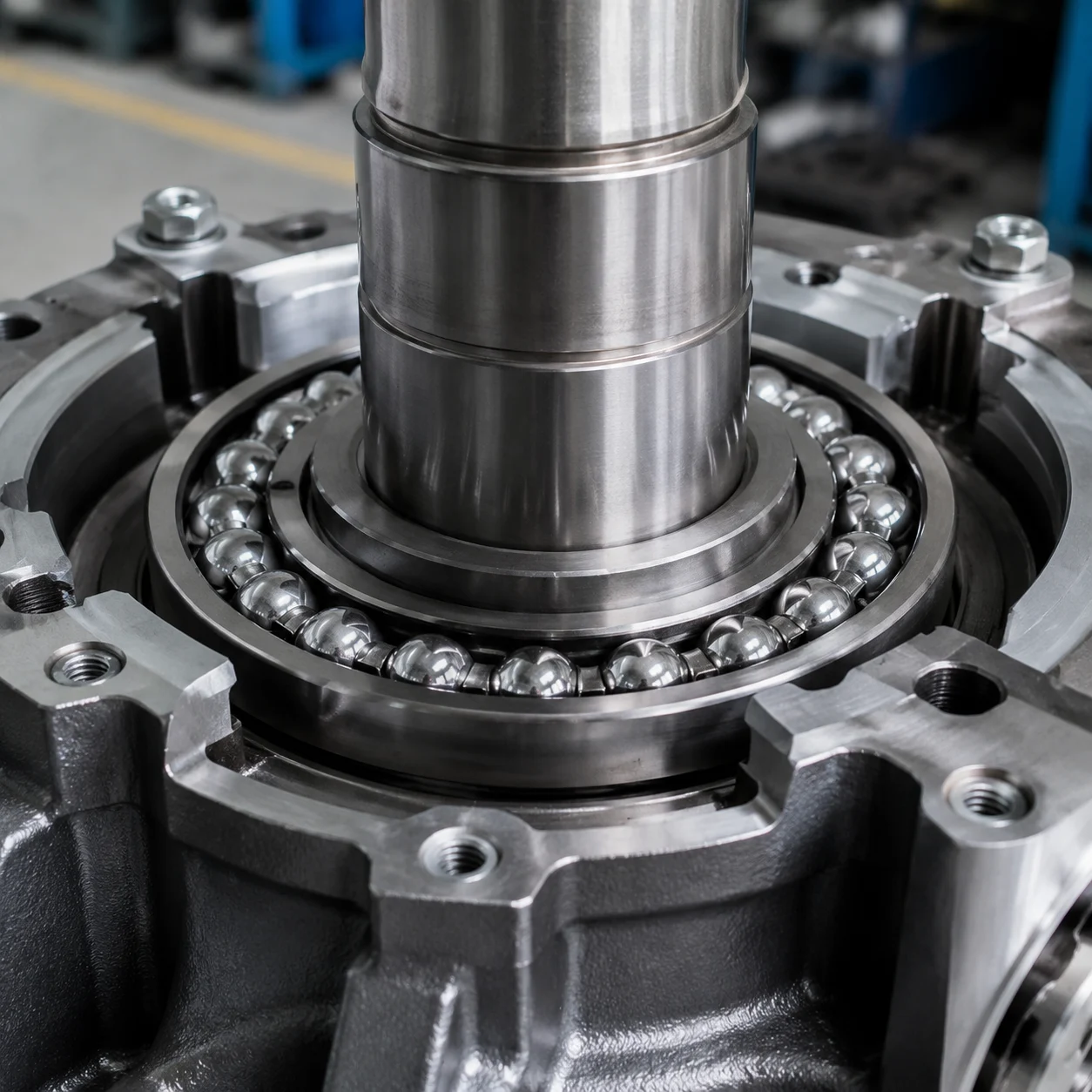
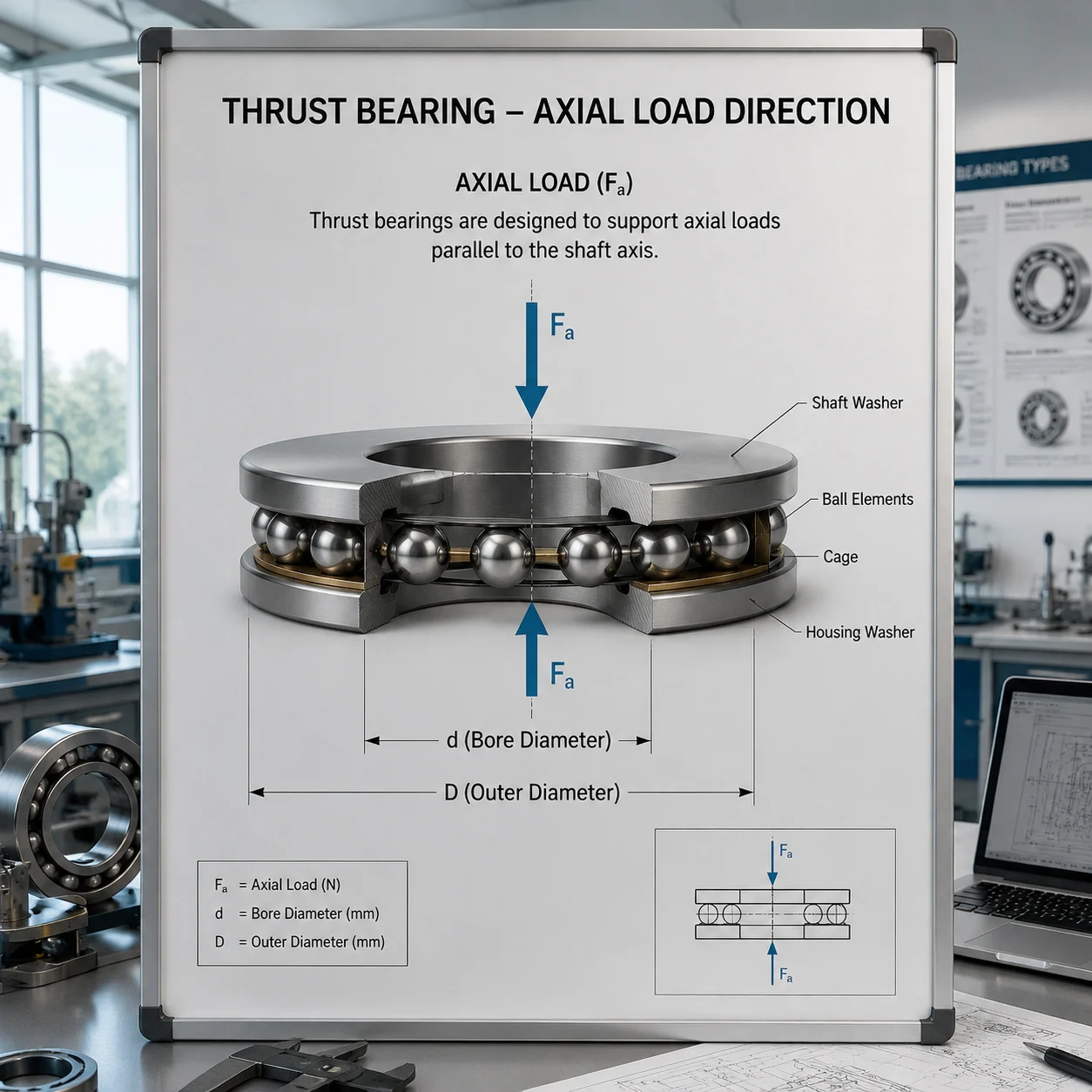
Load Direction Analysis: Thrust ball bearings exclusively support forces parallel to the shaft axis.
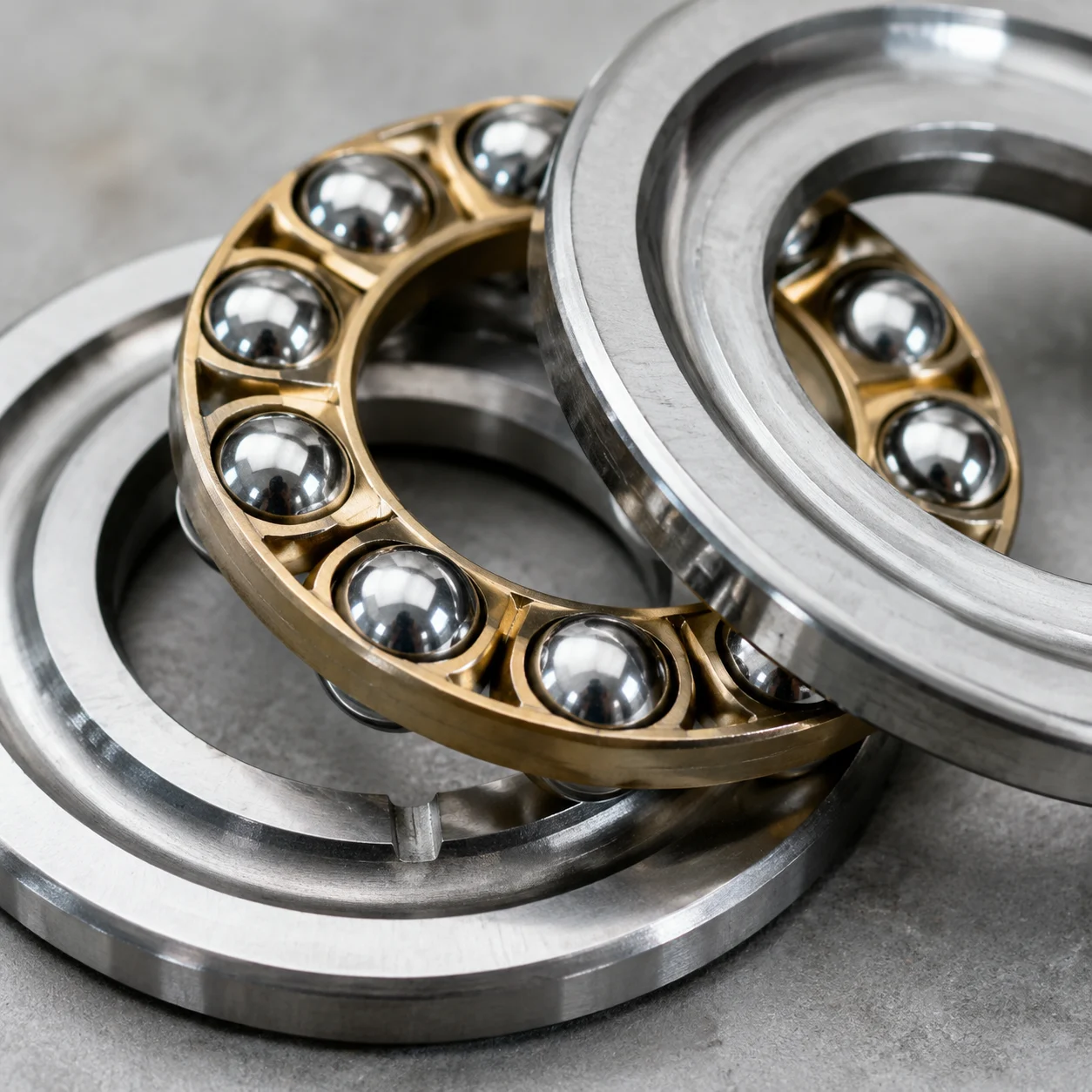
Dynamic Force Transmission: Rolling elements seamlessly transfer pure axial loads between precision washers.
Inside the Bearing: Separable Design
Shaft Ring (Washer)
Secured to and rotates directly with the machinery shaft.
Ball & Cage Assembly
Maintains even ball spacing to prevent friction and ensure smooth rotation.
Housing Ring (Seat)
Stationary mount that transfers the thrust force into the machine casing.
The intelligent separable bearing design empowers technicians to mount the shaft ring, housing ring, and rolling elements entirely independent of one another, streamlining complex industrial assemblies.
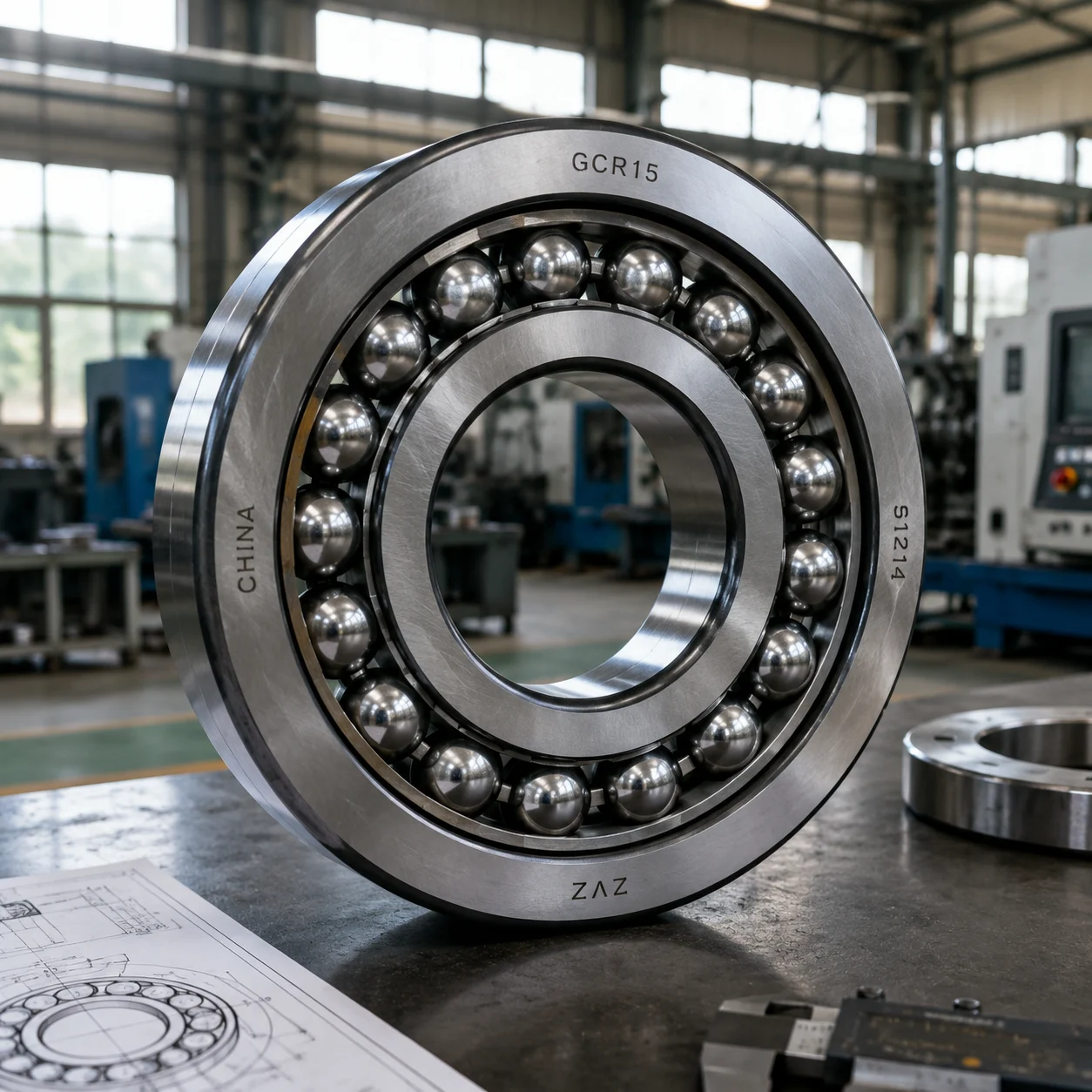
Premium grade single-direction thrust ball bearing ready for industrial deployment.
Pure Axial Handling
Purpose-built exclusively for parallel thrust loads.
GCr15 Bearing Steel
Maximum hardness and fatigue resistance properties.
Separable Architecture
Enables effortless modular installation and rapid maintenance.
Broad Applications
From machine tools to automotive systems and industrial pumps.
Working Principle and Core Advantages of Precision Thrust Ball Bearings
Understanding how thrust ball bearings handle pure axial loads helps engineers select the right component and maximize equipment lifespan. Below, we explain the load support mechanism, unique physical characteristics, material benefits, and why JN Bearings' products deliver unmatched durability.
How Thrust Ball Bearings Manage Axial Loads
A precision thrust bearing is specifically engineered to transmit force parallel to the shaft centerline. When subjected to an axial load, the force travels seamlessly from the shaft washer, through the steel ball complement, and into the housing washer, ensuring uniform load distribution across the contact points.
Because the raceways are perpendicular to the shaft axis, these bearings maintain a 90° contact angle. This geometry provides high axial load capacity and remarkable rigidity, making them essential for machine tool spindles, automotive clutches, and heavy-duty crane hooks where axial deflection must be minimized.
It is crucial to note that thrust ball bearings cannot support any radial loads. Applying radial force will cause ball skidding and rapidly degrade the raceways. If your application involves combined loads, you should consider angular contact ball bearings instead.
Components of a Thrust Ball Bearing
A standard thrust ball bearing features a fully separable design, consisting of three main subassemblies that simplify both installation and ongoing maintenance:
- Shaft Washer (Shaft Ring): The rotating ring positioned on the shaft, featuring a raceway groove that moves with the rotation under load.
- Housing Washer (Seat Ring): The stationary ring mounted securely in the machine housing to absorb and transfer the axial force.
- Ball and Cage Assembly: High-grade steel balls retained by a cage to prevent friction between rolling elements and ensure precise spacing.
The separable bearing design is a major advantage for production environments. Technicians can independently clean, inspect, or replace the shaft ring, seat ring, or ball set, minimizing costly downtime during equipment overhauls.
Superior Durability: Gcr15 Bearing Steel
JN Bearings manufactures all precision thrust bearings using Gcr15 high-carbon chromium bearing steel. This premium material is critical for achieving high load ratings and resisting contact fatigue over thousands of operating hours.
- High Surface Hardness (HRC 60–66): Prevents surface indentation and contact fatigue under severe axial stresses.
- Excellent Wear Resistance: Advanced heat treatment creates uniform carbide distribution, reducing abrasive wear on raceways.
- Dimensional Stability: Specialized stabilization processing ensures components retain their tight tolerances even at fluctuating temperatures.
- Strict Quality Control: At JN Bearings, incoming steel undergoes rigorous spectrographic testing, and finished parts pass 100% dimensional inspection.
By combining high-grade Gcr15 bearing steel with precise tolerance standards, we ensure smooth, efficient operation that lowers your long-term maintenance costs and extends machinery life.
Speed Limits and Centrifugal Forces
Because of their design, thrust ball bearings are ideally suited for low to moderate rotational speeds. At very high RPMs, the centrifugal force drives the steel balls outward, causing them to press aggressively against the cage and raceway edges. This generates excess heat and limits their maximum operating speed compared to deep groove equivalents.
Proper lubrication is critical. While grease is sufficient for many applications, continuous operations—such as in heavy-duty pumps and industrial compressors—often require oil bath lubrication to dissipate heat effectively and maintain an adequate film thickness between rolling elements and raceways.
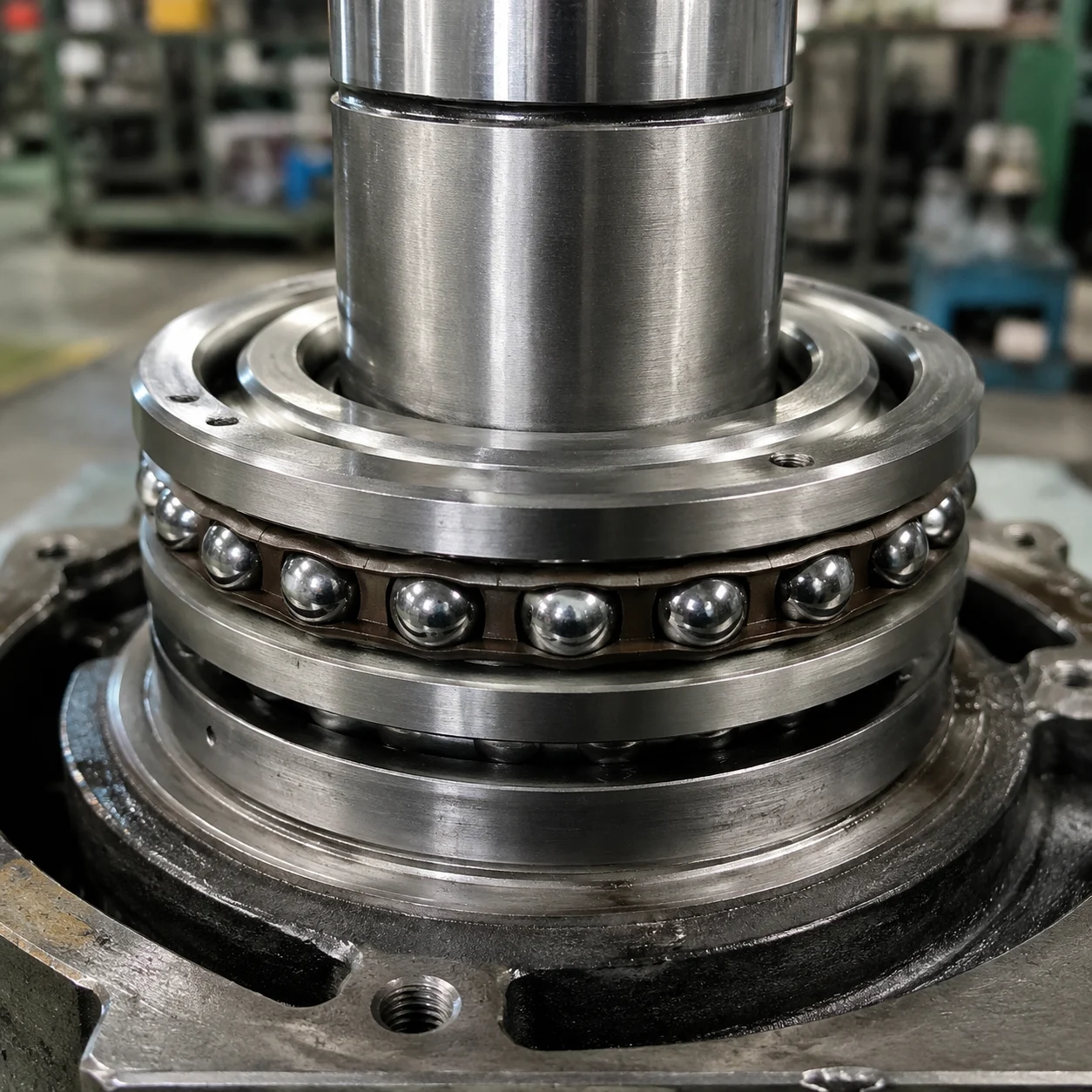
Axial vs. Radial Load — Thrust ball bearings handle forces exclusively parallel to the shaft.
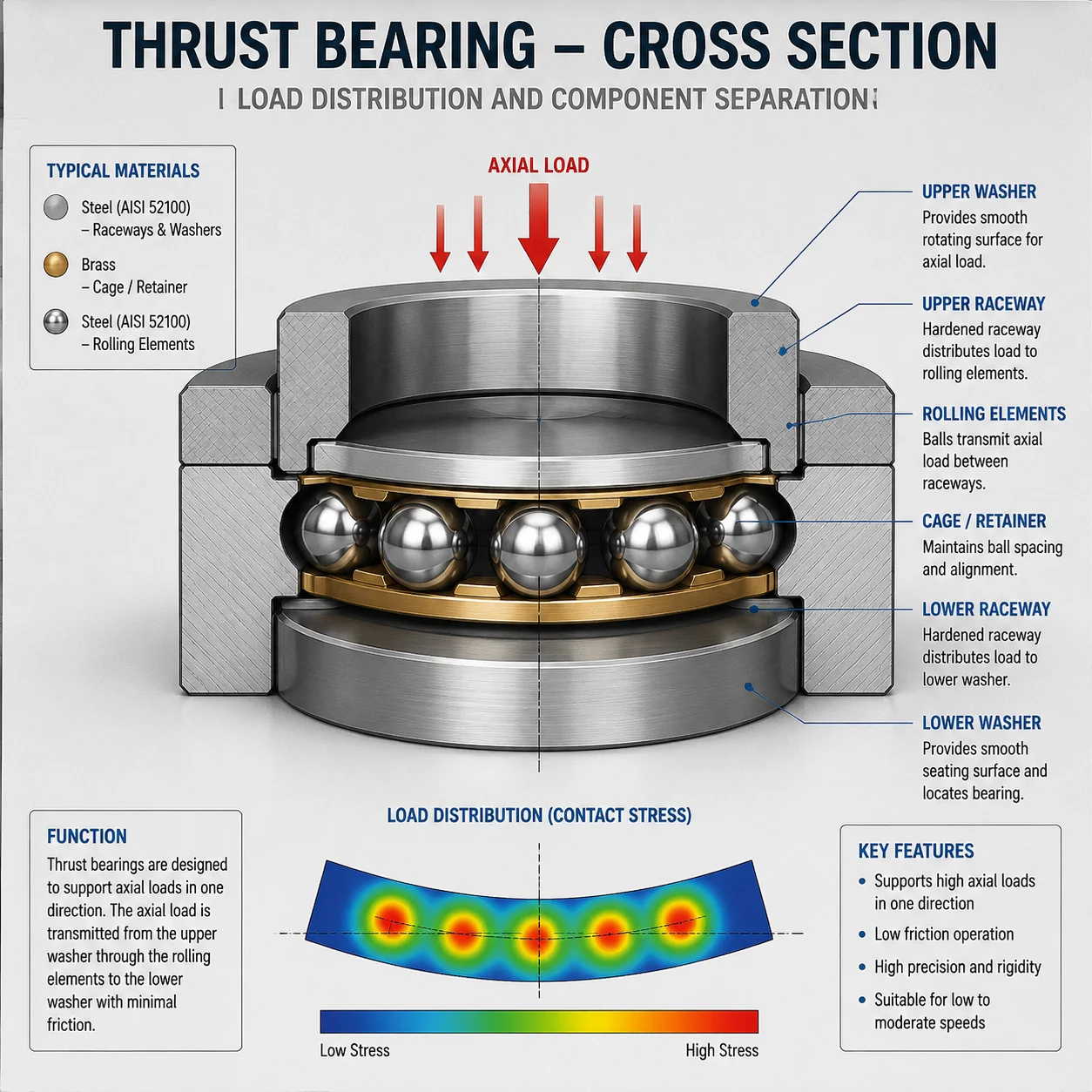
The axial force path transfers cleanly from shaft washer to housing washer.
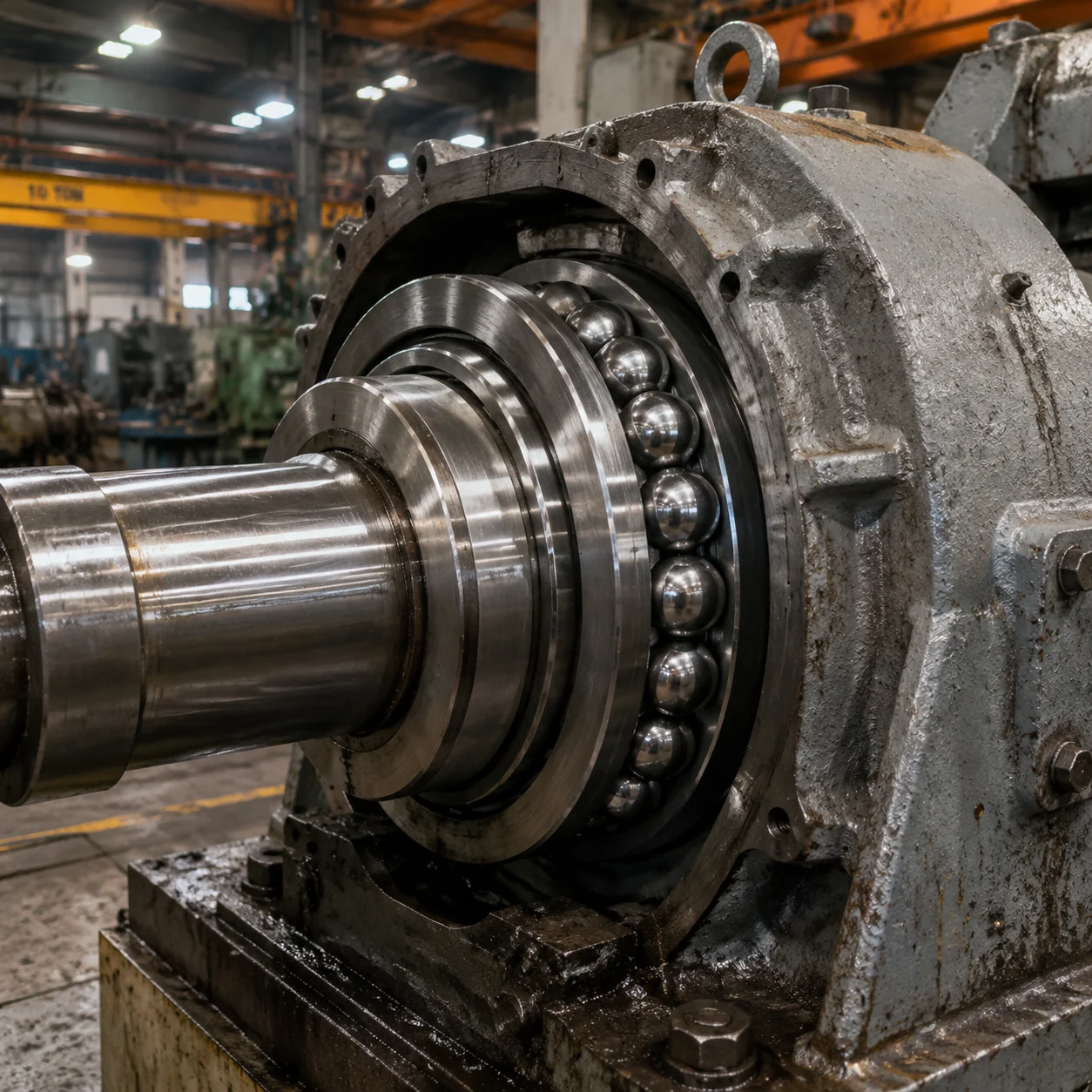
Cross-section revealing load distribution across the 90° contact angle raceway.
Core Engineering Advantages
-
High Axial Load Capacity
Engineered to support massive pure axial forces without deformation.
-
Separable Bearing Design
Allows for simple mounting, dismounting, and individual component replacement.
-
Gcr15 Bearing Steel
Delivers exceptional wear resistance and extends bearing fatigue life.
-
Precision Tolerance Grades
Manufactured to P0, P6, or P5 accuracy levels for smooth, balanced rotation.
Thrust Bearing Design Comparison
| Technical Feature | Single Direction Thrust Bearing | Double Direction Thrust Bearing |
|---|---|---|
| Axial Load Capability | Supports load in one direction | Supports load in both directions |
| Structural Components | 1 shaft ring, 1 housing ring, 1 ball set | 1 shaft ring, 2 housing rings, 2 ball sets |
| Common Applications | Fluid pumps, heavy jacks, clutches | Precision machine tool spindles |
| Axial Profile | Highly compact space requirement | Requires more axial mounting width |
| Aligning Seat Washer Option | Available to compensate for misalignment | Available to compensate for misalignment |
Comparison chart detailing structural and functional differences for proper bearing selection.
Thrust Bearing Cage Materials
Most general-purpose thrust ball bearings utilize stamped steel cages. For elevated temperatures, heavy shock loads, or high-speed operations, machined brass cages provide superior strength and vibration dampening. Nylon (polyamide) cages are also available for quieter, low-load applications.
Thermal Limits
Our standard Gcr15 bearings operate efficiently between –20 °C and +120 °C. If your machinery involves extreme environments, JN Bearings provides specially stabilized components that resist thermal expansion and maintain raceway geometry, ensuring continuous safety and precision.
Minimum Load Requirements
To prevent harmful ball sliding during acceleration or high-speed operation, thrust bearings require a constant minimum axial preload. Typically, this minimum force should be around 1% to 2% of the basic static load rating (C₀), ensuring the balls roll rather than skid across the raceways.
Core Product Categories & Selection Guide
We manufacture a complete range of thrust ball bearings designed to fit diverse mounting and application requirements. Browse our products and core configurations below.
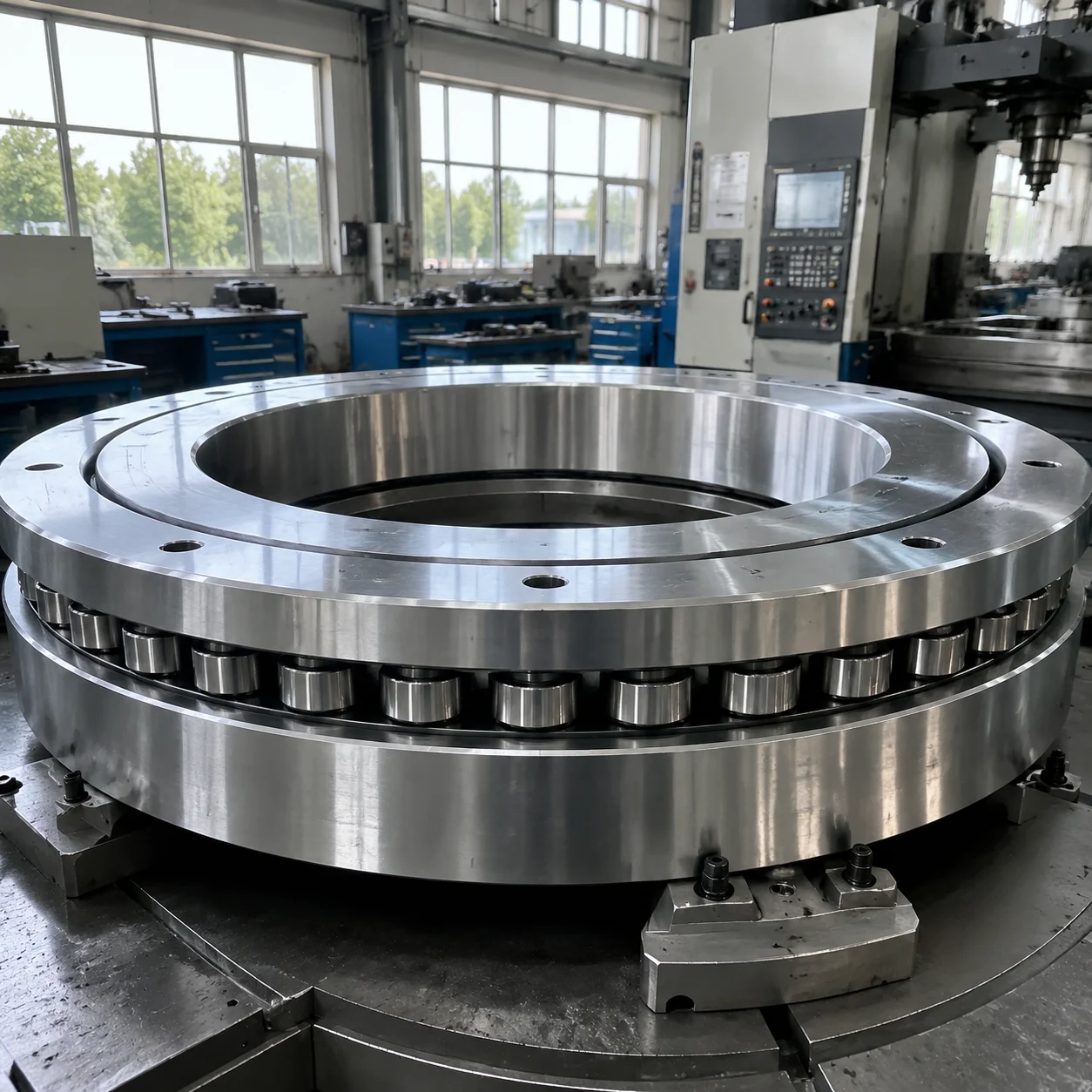 One-Way Axial
Single Direction
Accommodates axial loads in one direction only. Ideal for locating a shaft axially in a single direction. Features a separable design for simple installation.
- Locates shaft in one direction
- High axial load capacity
- Flat seat washer configuration
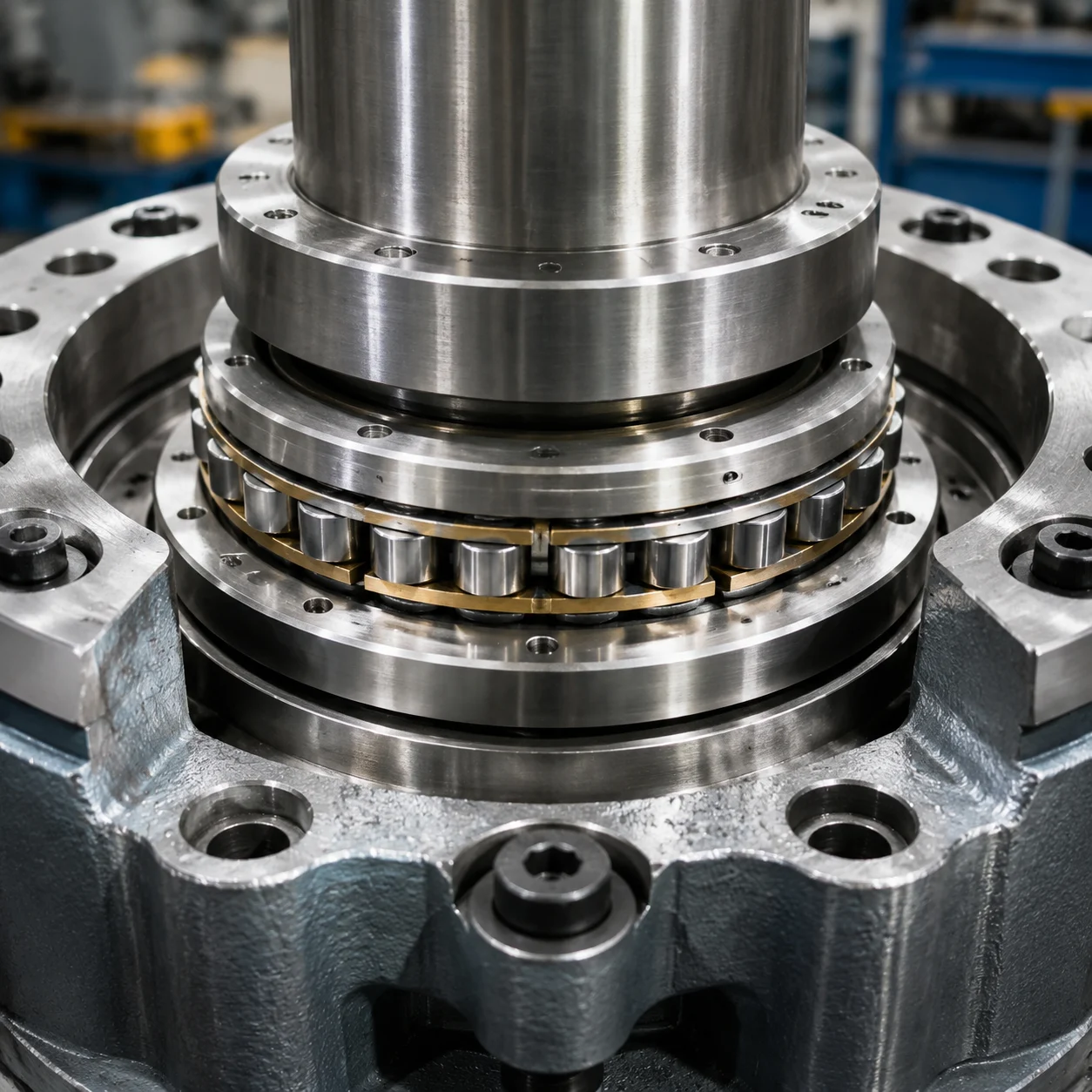 Two-Way Axial
Double Direction
Designed with one shaft washer and two housing washers to support axial forces in both directions, providing complete bidirectional shaft location.
- Bidirectional axial support
- Central shaft washer design
- Interchangeable components
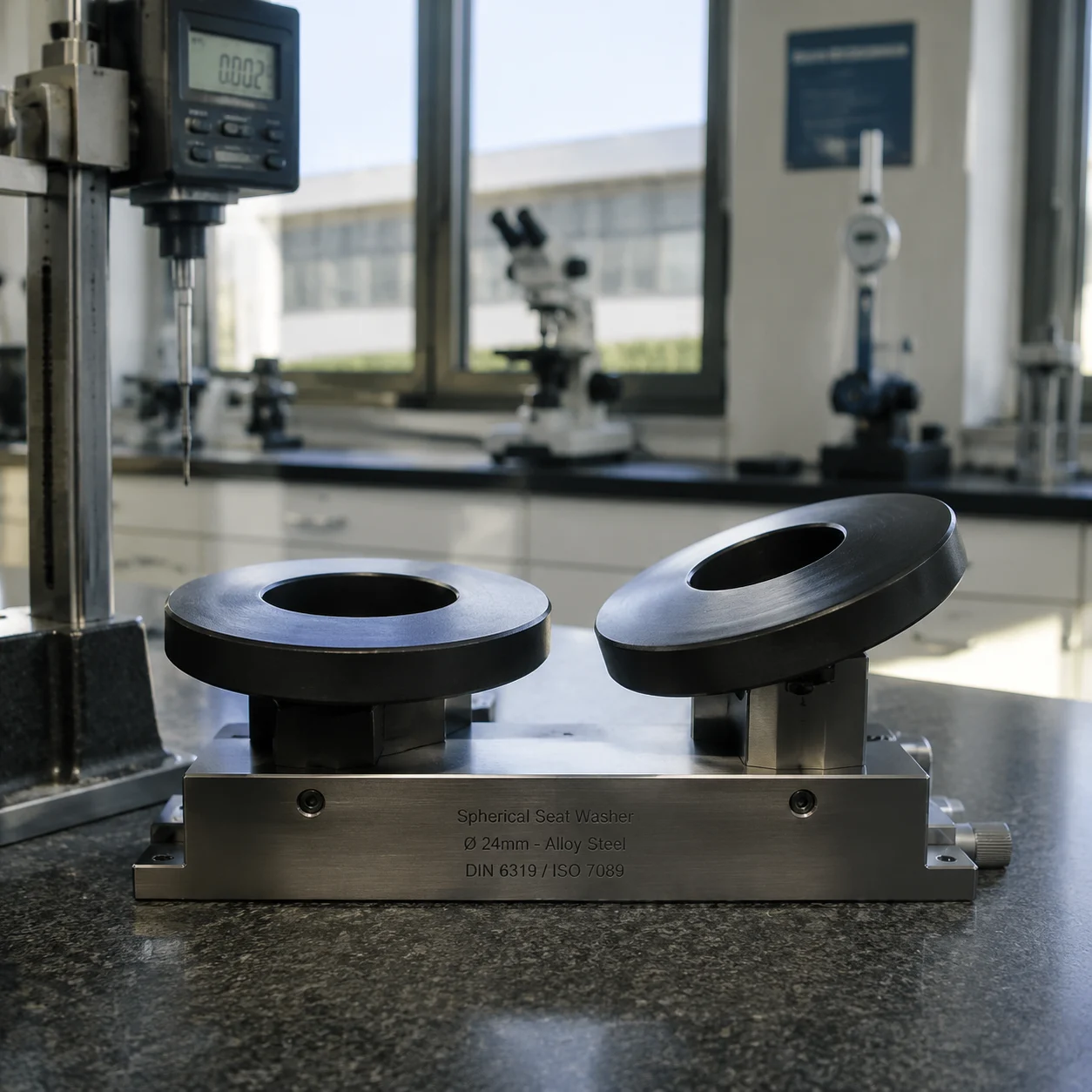 Misalignment Relief
Spherical Seat Washers
Features an aligning seat washer to compensate for initial static misalignment between the shaft and housing, preventing uneven load distribution.
- Compensates for alignment errors
- Available in single or double direction
- Enhances bearing service life
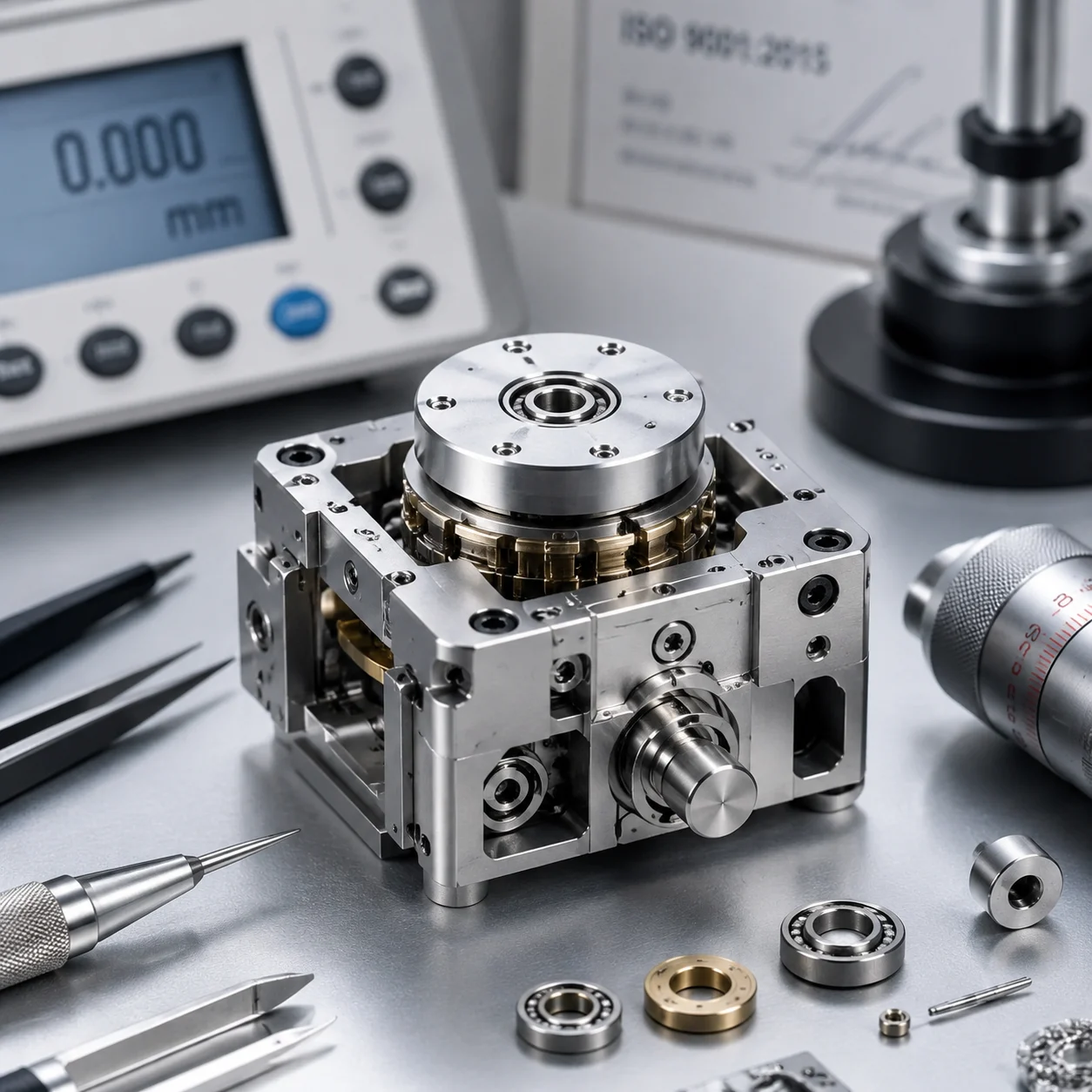 Space-Saving
Miniature Thrust Bearings
Engineered for space-constrained environments like precision medical instruments and robotics. Delivers smooth rotation with exceptionally small diameters.
- Compact, lightweight footprint
- High precision tolerances
- Ideal for micro-mechanisms
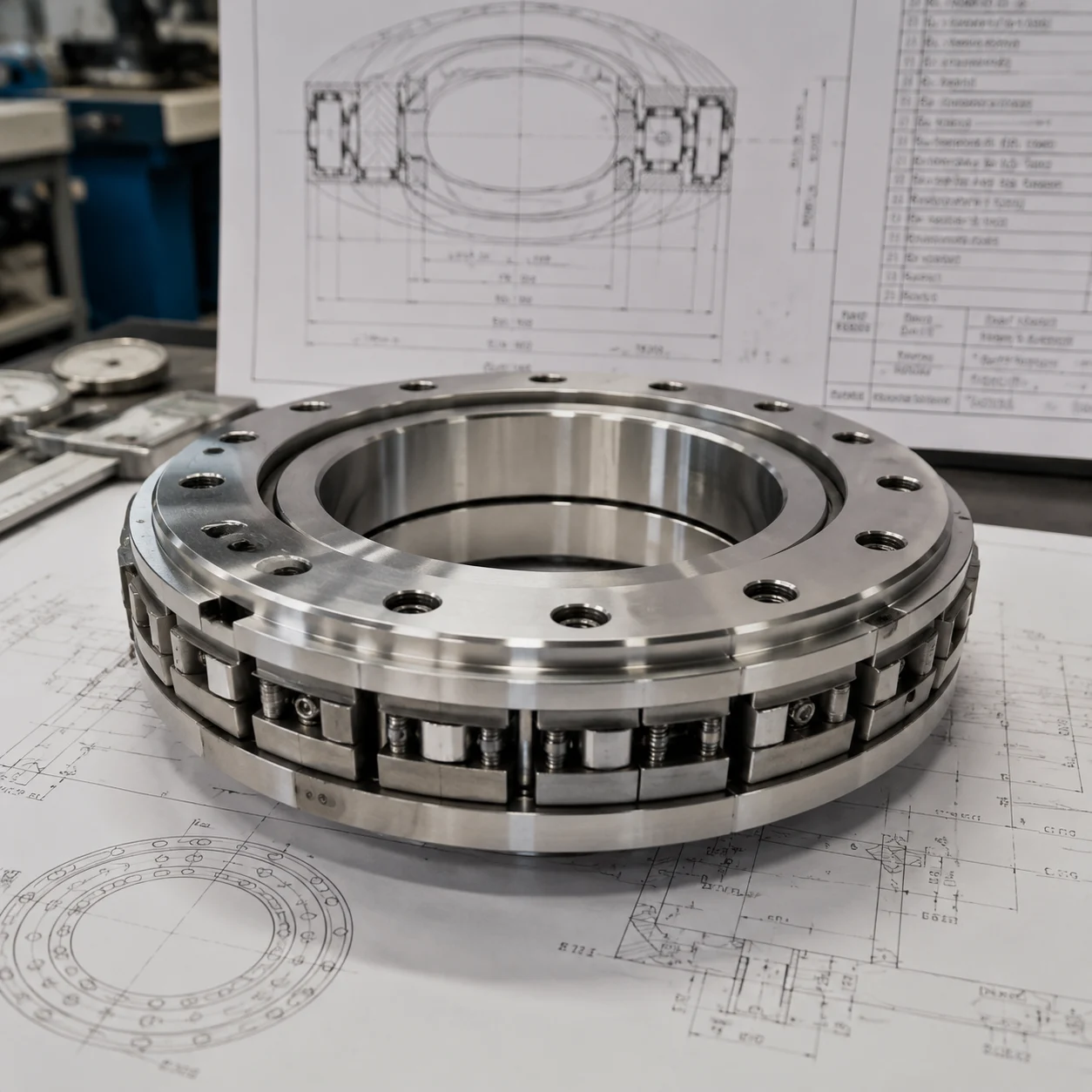 High Speed
Precision Grade Thrust
Manufactured with tighter tolerances (P6, P5) and specialized cages to handle higher RPMs while maintaining optimal axial rigidity for machine tools.
- P5 & P6 accuracy grades available
- Machined brass or nylon cages
- Optimized for centrifugal forces
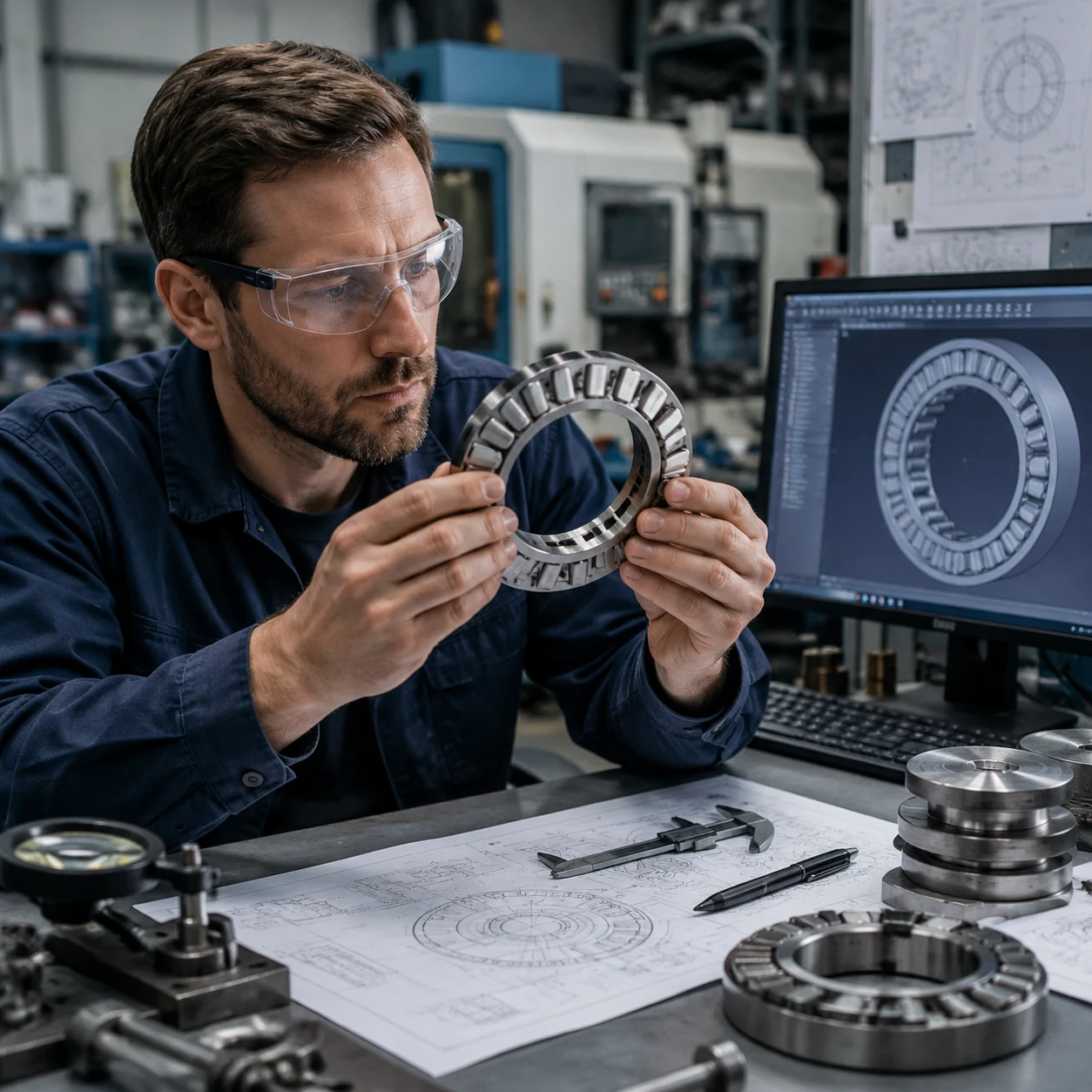
Custom Thrust Bearings
Need non-standard dimensions, special materials, or unique cage designs? JN Bearings engineers bespoke axial load solutions for demanding B2B applications.
- GCr15 or stainless steel materials
- Tailored dynamic load ratings
- Rapid prototyping & wholesale
Not sure which thrust bearing configuration you need?
Our engineering team evaluates your RPM limits, axial load requirements, and seating conditions to recommend the optimal solution. Explore more miniature precision bearings for compact applications.
Thrust Bearing Dimensions, Specifications & Sizing Guide
Proper selection of a precision thrust bearing depends on accurate dimensions and performance metrics. Use this comprehensive guide to evaluate sizing parameters, materials, precision classes, and speed limits for your specific axial load application.
How to Use This Sizing Guide
The fundamental architecture of precision thrust bearings is defined by three primary dimensions: bore diameter (d), outer diameter (D), and overall height (T). Standardized global series—including 51100, 51200, and 51300—conform to strict ISO 355 conventions, guaranteeing reliable interchangeability across international markets. Beyond basic dimensions, evaluating material properties, cage configurations, and precision tolerances is critical to extending service life, managing maximum rotational speeds, and lowering long-term maintenance costs.
JN Bearings manufactures and supplies a broad spectrum of thrust ball bearings, ranging from a 10 mm bore for miniature instruments up to several hundred millimeters for heavy industrial machinery. The technical breakdowns below provide engineers and procurement specialists with the hard data needed to confidently specify bearings for pure axial loads.
Should your machinery require specifications beyond our standard catalog dimensions, our dedicated engineering team is ready to develop custom thrust bearing solutions, complete with CAD drawings, material certifications, and rapid prototyping capabilities.
Standard Dimensional Range
Our comprehensive thrust ball bearing catalog encompasses a diverse dimensional range engineered to accommodate everything from compact, high-precision robotics to massive industrial gearboxes. The key dimensional constraints include:
- dBore Diameter (d): 10 mm to 360 mm — ensuring secure fitment on shafts across automotive, marine, and manufacturing sectors.
- DOuter Diameter (D): 24 mm to 440 mm — designed to seat firmly within standard housing configurations, managing radial space limits.
- THeight / Thickness (T): 9 mm to 80 mm — crucial for applications with strict axial space limitations, such as machine tool spindles.
- ZBall Complement (Z) & Diameter (Dw): Precisely calculated for each series to maximize dynamic load rating and ensure uniform load distribution.
All standard dimensions strictly adhere to ISO 355 / GB/T 301 tolerance classes. For optimal performance, we recommend standard ISO mounting fits: typically j5 or k5 for the rotating shaft washer and H7 or H8 for the stationary housing washer.
Pro Tip: Managing Installation Alignment
Shaft and housing seats must be perfectly perpendicular to the central axis. Angular misalignment exceeding 1–2 arc-minutes will induce uneven edge loading, drastically reducing bearing life. If alignment cannot be guaranteed, specify spherical seat washer variants to compensate for initial errors.
Materials and Cage Assembly Options
Selecting the appropriate material significantly influences a thrust bearing's durability under heavy axial strain. At JN Bearings, we standardise on premium Gcr15 high-carbon chromium bearing steel for washers and rolling elements. This material offers superior hardness (HRC 60–65), high fatigue strength, and exceptional dimensional stability. Cage selection must be matched to operational speeds, environmental temperatures, and lubrication methods.
| Cage Designation | Material Specification | Speed Capability | Operating Temp | Primary Applications |
|---|---|---|---|---|
| Pressed Steel Cage | Zinc-plated low-carbon steel | Low to Moderate RPM | −30°C to +150°C | General mechanics, pumps, cost-effective volume production |
| Machined Brass Cage | High-strength CuZn alloy | High RPM capability | −50°C to +200°C | Precision spindles, demanding industrial environments |
| Nylon (PA66) Cage | Glass-fiber reinforced polyamide | Moderate RPM | −40°C to +120°C | Low-noise operation, food processing equipment |
| Stainless Steel Series | AISI 440C (SUS440C) rings & balls | Low to Moderate RPM | −60°C to +300°C | Marine applications, chemical processing, high moisture |
Material Note: Standard production utilizes Gcr15 bearing steel (equivalent to AISI 52100 or 100Cr6) for optimum load-bearing capacity. Stainless steel construction is available as a custom order for specialized anti-corrosion thrust bearing requirements.
Precision Grades and Running Tolerances
Dimensional accuracy and running smoothness are governed by precision grades conforming to ISO 492 / GB/T 307.1 standards. From P0 (standard normal tolerance) up to P5 (high precision), selecting the correct tolerance class directly impacts operational vibration, maximum allowable speed, and positioning accuracy under axial loads.
The baseline standard for general industrial machinery. Tolerances meet normal ISO classes, making it ideal for low-speed axial load applications such as screw jacks, hoists, and generic fluid pumps.
- Bore deviation: ±0.010 to 0.012 mm
- Highly cost-effective for bulk supply
Features tighter dimensional controls than P0. Recommended for medium-speed rotating assemblies, automotive steering columns, and applications requiring reduced vibration and greater alignment precision.
- Bore deviation: ±0.007 to 0.010 mm
- Optimal balance of price and precision
Designed for precision machine tools, rotary tables, and metrology equipment. Exceptionally strict runout controls ensure frictionless operation and thermal stability at high rotational speeds.
- Bore deviation: ±0.005 mm or less
- Manufactured with certified quality reports
For standard industrial integration, P0 and P6 grades reliably serve the vast majority of pure axial load scenarios. When engineering systems dictate axial runout below 3 µm—or when operating near catalog speed limits—upgrading to P5 precision thrust bearings becomes necessary to prevent premature failure.
Speed Limits and Lubrication Protocols
Due to their specific geometric design, thrust ball bearings are highly sensitive to centrifugal forces. At elevated RPMs, steel balls tend to move outward, altering the contact angle, increasing internal friction, and raising operating temperatures. Catalog speed limits (nlim) are typically based on grease lubrication and moderate axial loads. Transitioning to oil lubrication can generally raise these permissible speed thresholds by 20% to 40%.
- Minimum axial load criteria: To prevent rolling element sliding (skidding) which causes smearing on the raceways, a minimum axial load equivalent to roughly 2–5% of the static load rating (C0) must be continuously applied, especially at high speeds.
- Grease lubrication strategy: High-performance lithium soap-based grease (NLGI Grade 2 or 3) is suitable for applications operating below 60% of the catalog speed limit. Re-greasing intervals must be monitored based on thermal load.
- Oil lubrication strategy: Oil bath, circulating oil, or oil mist methods are strongly advised when running speeds exceed 70% of nlim. ISO VG 46 to 100 viscosity grades are generally optimal for managing heat dissipation.
- Thermal stability considerations: Standard bearing steel is dimensionally stable up to +120°C. For extreme temperature environments, JN Bearings can apply special heat treatments (S1, S2, or S3) to prevent structural distortion.
JN Bearings provides deep technical support to help you navigate speed limits, dynamic load interactions, and complex lubrication protocols. Contact our engineering team for specialized bearing life calculations (L10h) based on your exact duty cycle.
Technical Specifications: Common 51100, 51200 & 51300 Series
Review key dimensions and load capacities for the industry's most popular single-direction thrust ball bearing series. The dynamic load rating (C) indicates the load at which a bearing will achieve 1 million revolutions, while the static load rating (C0) defines the threshold for permanent raceway deformation. All values adhere to ISO 76 calculation methods.
| Bearing Model | Dimension Series | Bore (d) mm | Outer (D) mm | Height (T) mm | Dynamic (C) kN | Static (C₀) kN | Ref. Speed Limit (rpm) |
|---|---|---|---|---|---|---|---|
| 51100 | 100 (Light) | 10 | 24 | 9 | 7.65 | 17.0 | 4,000 |
| 51105 | 100 (Light) | 25 | 42 | 11 | 18.6 | 40.0 | 3,200 |
| 51200 | 200 (Medium) | 10 | 26 | 11 | 10.2 | 22.0 | 3,800 |
| 51205 | 200 (Medium) | 25 | 47 | 15 | 28.5 | 60.0 | 2,800 |
| 51210 | 200 (Medium) | 50 | 78 | 22 | 56.0 | 122 | 1,800 |
| 51300 | 300 (Heavy) | 10 | 28 | 14 | 13.5 | 29.0 | 3,400 |
| 51305 | 300 (Heavy) | 25 | 52 | 18 | 38.0 | 82.0 | 2,400 |
| 51310 | 300 (Heavy) | 50 | 85 | 28 | 75.5 | 166 | 1,500 |
The technical data provided is representative of standard ISO specifications. Actual performance may vary based on cage type, lubrication, and environmental factors. Reach out to JN Bearings for certified technical sheets for bulk procurement planning.
Five-Step Thrust Bearing Selection Guide
Identifying the optimal precision thrust bearing involves balancing several interdependent variables. Follow this checklist to ensure engineering accuracy and maximum bearing life:
- 1Quantify the Applied Axial Load:
Determine the peak and continuous axial forces (in kN). Verify these against the bearing's dynamic (C) and static (C₀) load ratings, applying a safety factor of 1.5 to 3 depending on shock load risk.
- 2Verify Assembly Envelope Dimensions:
Ensure the selected bore (d), outer diameter (D), and total height (T) fit within the mechanical constraints. Utilize ISO j5 for shaft mounting and H7 for housing seating to avoid raceway distortion.
- 3Evaluate Operating Speeds:
Check that maximum operational RPM remains safely below the catalog nlim. For high-speed applications approaching these limits, specify machined brass cages and plan for active oil lubrication.
- 4Account for Environmental Extremes:
High temperatures, abrasive dust, or corrosive fluids dictate the need for custom solutions, such as stainless steel variants or heat-stabilised bearing steel.
- 5Determine the Precision Grade:
Specify P0 for broad industrial use, P6 for upgraded running accuracy in automotive systems, or P5 for machine tool spindles requiring minimal axial runout.
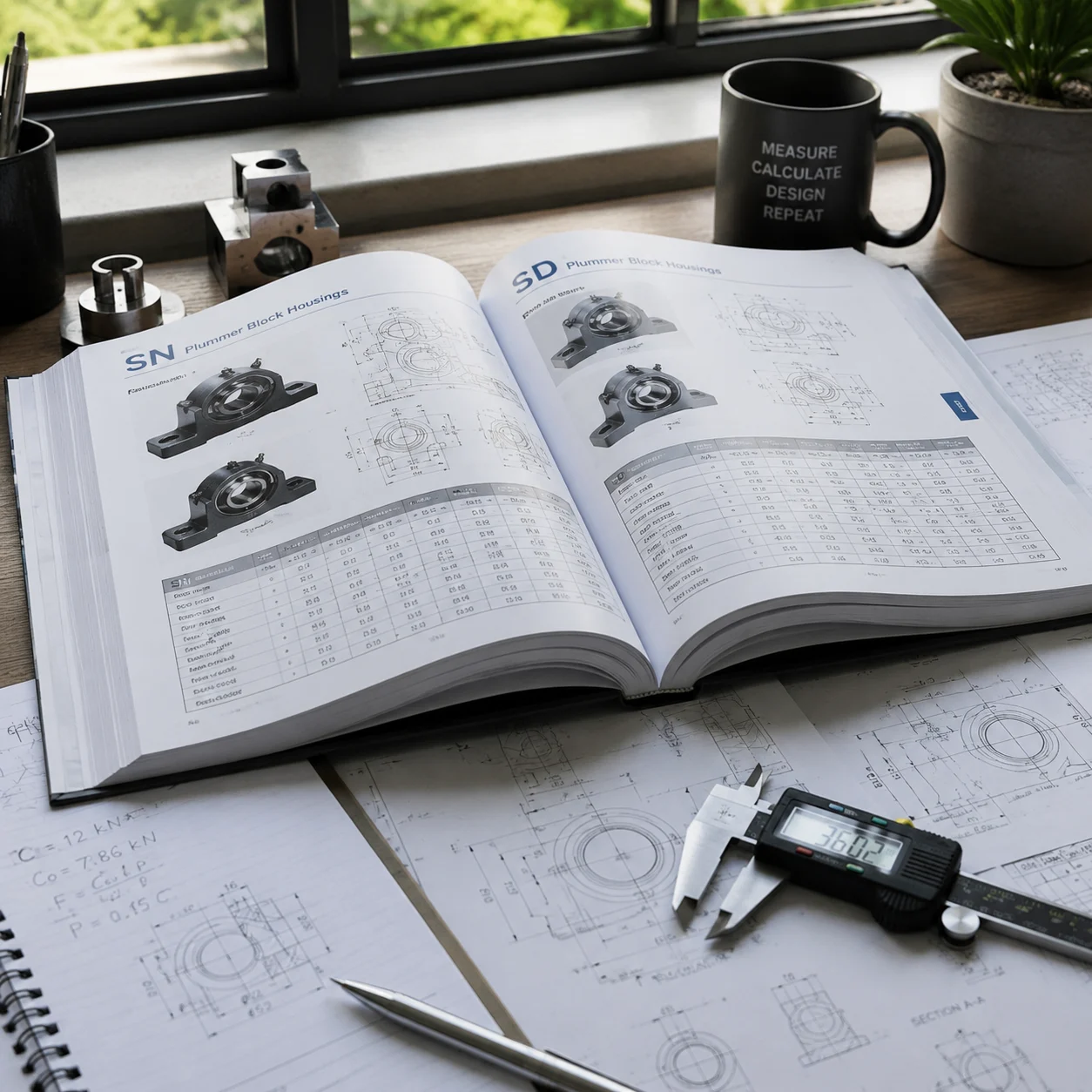
Understanding Series Differences: The 51100 series is favored for its compact profile in space-constrained designs. The 51200 series strikes a balance, providing higher load capacities with a moderate height increase. The heavy-duty 51300 series is engineered specifically to absorb immense pure axial loads in heavy equipment like crane hooks, large pumps, and extrusion presses.
Need a Custom Bearing Solution?
JN Bearings specializes in OEM and ODM manufacturing. If your project demands non-standard dimensions, custom bore tolerances, or specialized cage materials, we deliver precision engineering with competitive pricing and reliable lead times.
Download the Comprehensive Thrust Bearing Catalog
Get immediate access to full dimensional charts, dynamic load ratings, speed limits, and engineering data for the complete 51100, 51200, 51300, and 52000 series.
Precision Thrust Bearings in Demanding Industrial Environments
From high-speed automotive assemblies to heavy-duty crane hooks, precision thrust bearings are critical for managing pure axial forces without compromising rotational efficiency. Explore how JN Bearings engineers customized solutions to meet the specific speed, load, and durability requirements of global industrial machinery.
Clutch Release & Steering Mechanisms
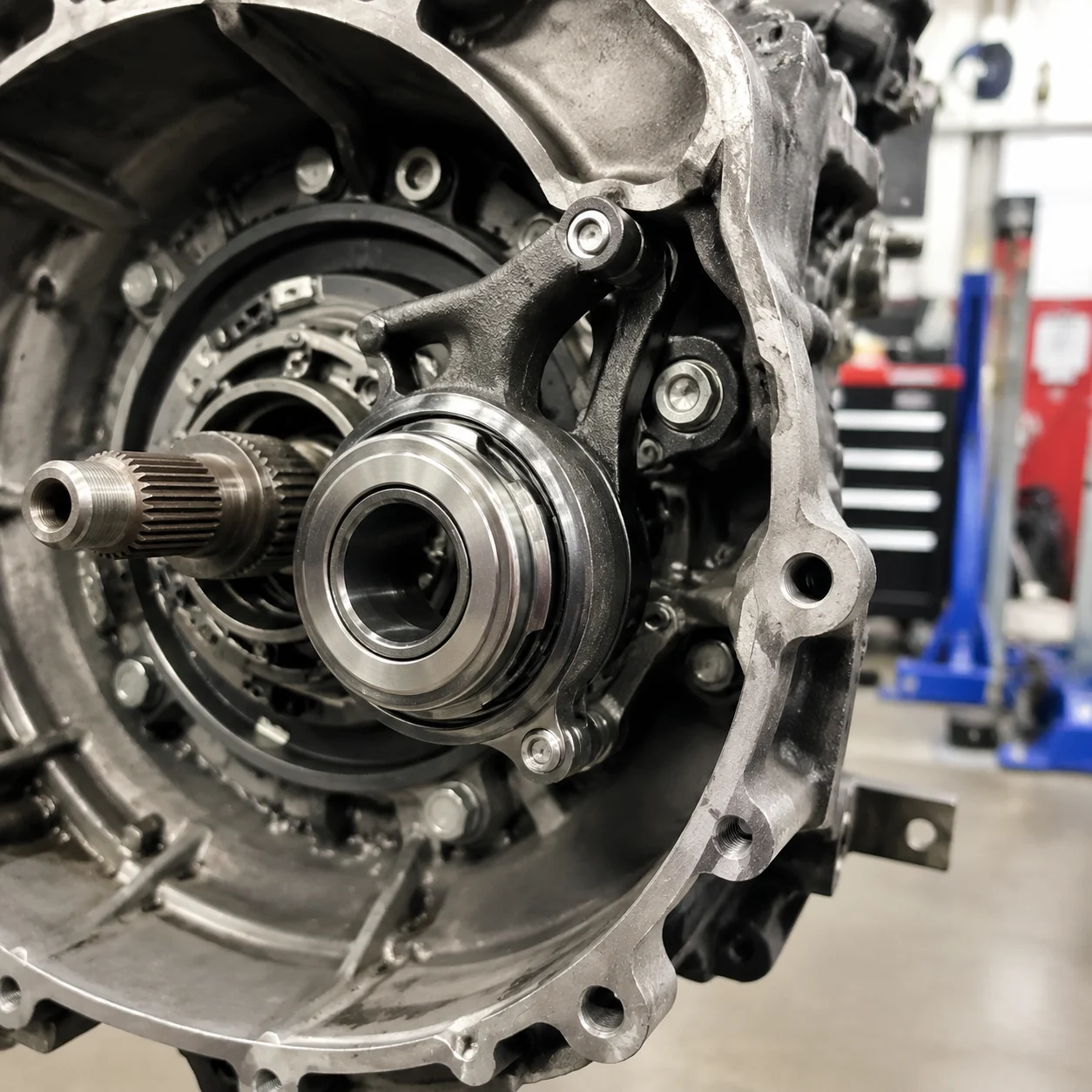
Automotive axial load bearings are exposed to frequent engagement cycles, shock loads, and varying temperature extremes. In clutch release assemblies, single direction thrust ball bearings must absorb the full axial push force the moment the driver depresses the pedal, ensuring a smooth transition without excessive friction.
Similarly, steering columns and rack-and-pinion gearboxes utilize automotive thrust bearings to maintain exact axial positioning of the steering shaft. This precise alignment guarantees consistent driver feedback and prevents steering play. In these safety-critical systems, low friction coefficients and long-term dimensional stability are absolutely vital.
- Exceptional shock load resistance to handle repeated clutch engagements safely.
- Compact, low-profile designs tailored for restricted automotive packaging spaces.
- High-purity Gcr15 bearing steel maximizing fatigue life over hundreds of thousands of miles.
Spindles, Rotary Tables & CNC Axes
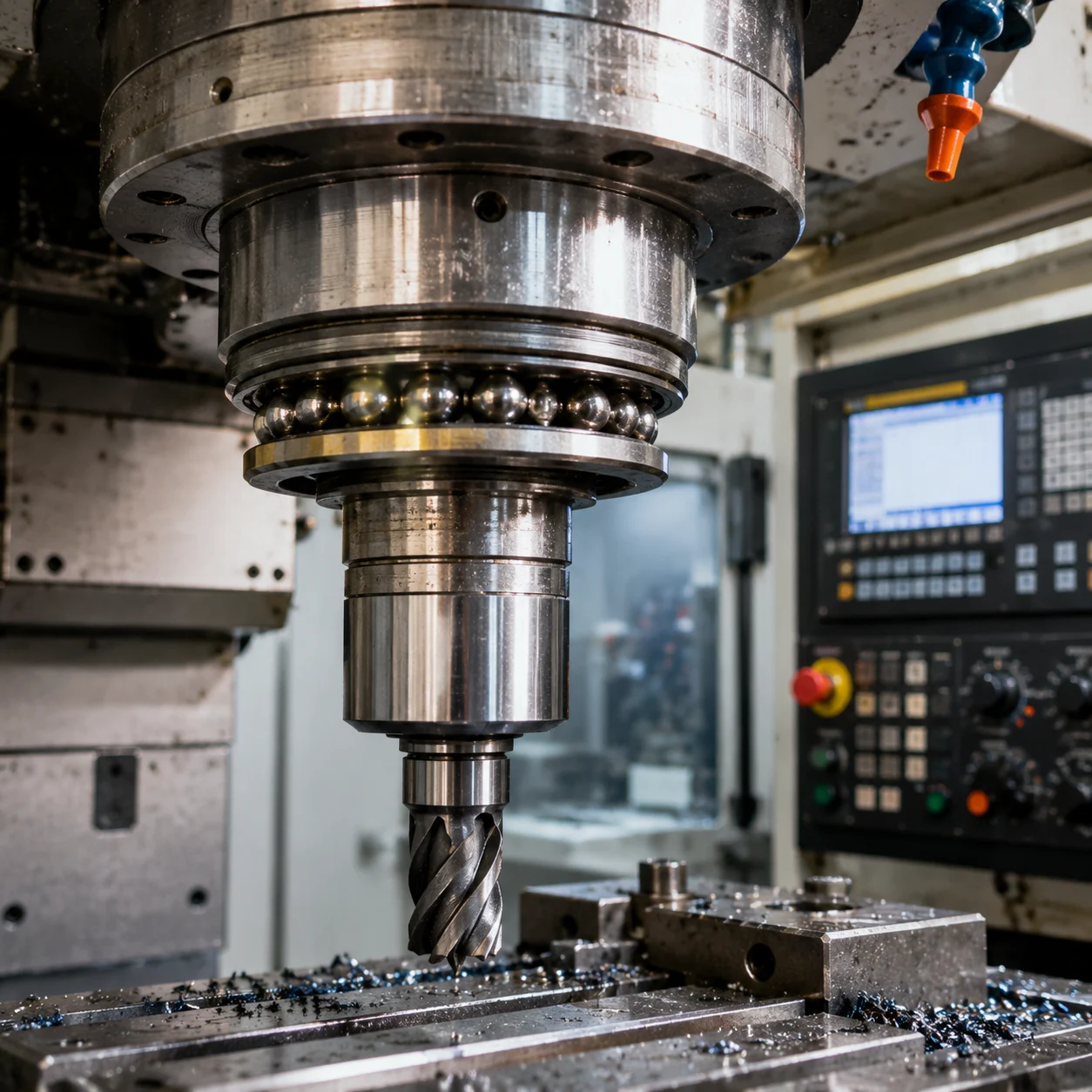
In metalworking and manufacturing, machine tool applications require absolute axial rigidity and positioning precision. Thrust ball bearings supporting CNC spindles and rotary indexing tables must sustain sub-micron runout tolerances even when subjected to intense, continuous cutting forces.
Thrust bearings for machine tools produced by JN Bearings are built to stringent P5 and P6 precision standards. This superior accuracy delivers the consistent axial stiffness necessary for achieving flawless surface finishes and exact dimensional geometries on machined parts, regardless of fluctuating feed rates.
Additionally, vertical machining centers depend on robust industrial thrust ball bearings to anchor ball screws, absorbing dynamic operational thrusts and maintaining essential preloads. Specifying the correct tolerance class, preload setting, and high-speed brass cage ensures extended spindle longevity and reduces machine downtime.
- P5 and P6 precision classes engineered for minimal runout and strict tolerance control.
- Machined brass cages designed for optimal oil flow and high RPM spindle stability.
- Calculated preload capability to prevent centrifugal ball skidding at high rotational speeds.
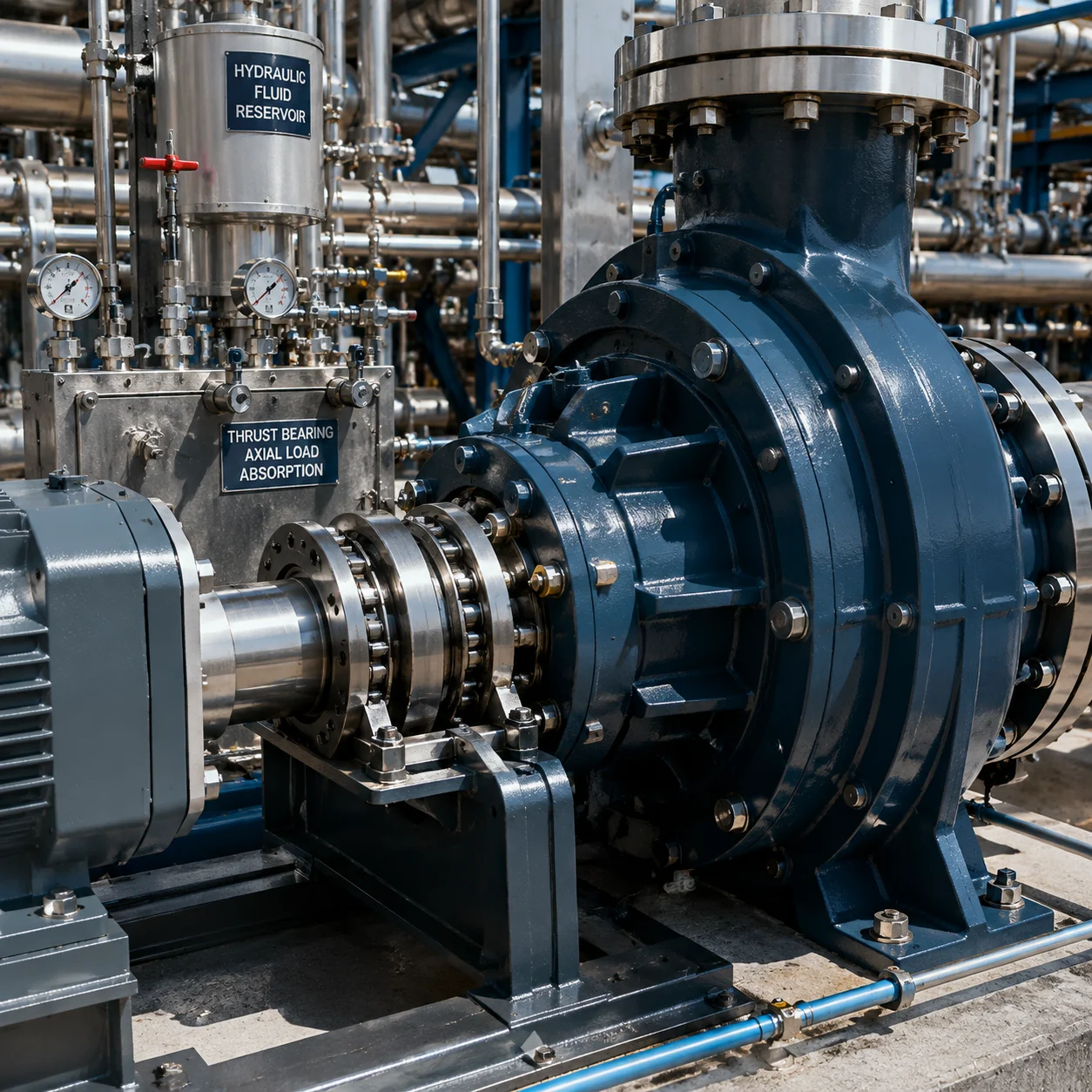
Axial Thrust Absorption in Fluid Machinery
Fluid handling equipment, including centrifugal pumps, multistage compressors, and high-capacity blowers, inherently produce significant axial thrust forces against rotating shafts. Inadequate axial load support in these machines quickly leads to shaft deflection, mechanical seal rupture, and potentially disastrous rotor failure.
To neutralize hydraulic thrust, single direction thrust ball bearings are systematically integrated into the discharge side of pump shafts. For more complex equipment like multistage compressors, double direction thrust bearings are utilized to accommodate the reversing axial loads generated by fluctuating pressure differentials across various stages.
JN Bearings provides robust thrust bearings for pumps and compressors featuring advanced raceway geometry and superior lubricant retention. These characteristics guarantee reliable performance whether operating in mineral oil, synthetic fluids, or specialized grease-packed environments.
Key Design Consideration for Fluid Machinery:
Applying the correct minimum axial load is essential to prevent the rolling elements from skidding during low-pressure startups and coast-downs, thereby avoiding raceway smearing and extending pump service intervals.
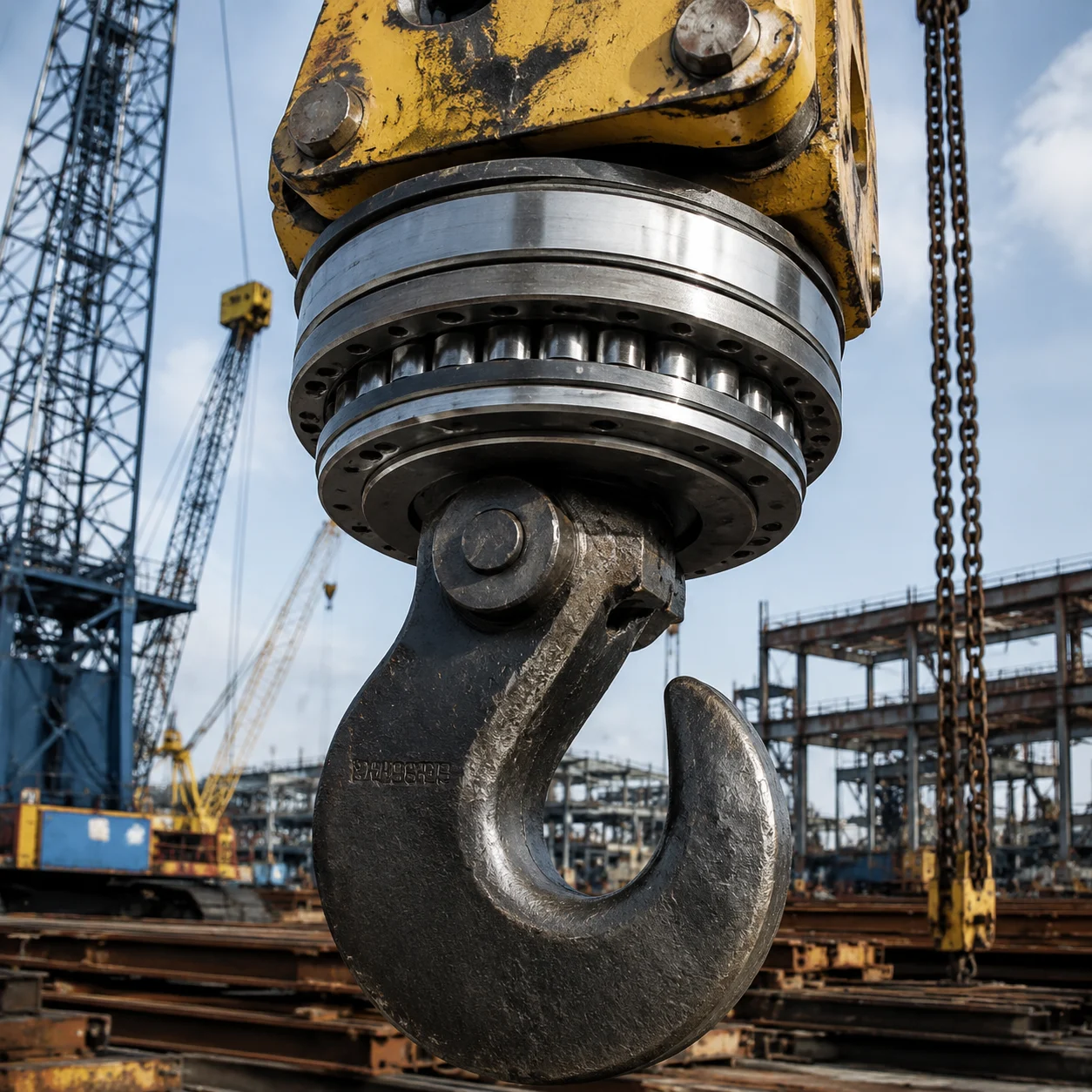
Pure Axial Support Under Extreme Static Loads
Material handling equipment like overhead crane hooks, robust swivel lift points, and heavy-duty hydraulic jacks represent some of the most grueling applications for bearings. These components operate under immense static loads with very minimal rotational movement, requiring high load capacity thrust bearings with maximized static load ratings (C0) to prevent raceway deformation.
Crane hook bearings are tasked with supporting tons of suspended weight while permitting smooth, unhindered rotation. This free movement is crucial for aligning loads and preventing the dangerous twisting of lifting cables. These bearings must be resilient against contamination and capable of absorbing sudden vertical shock impacts safely.
For industrial screw jacks and lifting columns, the thrust ball bearing carries the full vertical tonnage while the screw mechanism actuates. JN Bearings ensures absolute safety by providing components where the basic static load rating significantly exceeds the maximum operational axial load, delivering peace of mind in high-risk lifting scenarios.
- Superior static C0 ratings engineered to withstand massive shock loads without permanent brinelling.
- Spherical seat washer options actively compensate for dynamic misalignment in suspended crane assemblies.
- Separable component design facilitating easier field maintenance without fully dismantling crane structures.
Industrial Application Quick Reference Guide
| Industry Sector | Typical Application | Recommended Bearing Type | Critical Design Requirement | Operating Speed |
|---|---|---|---|---|
| Automotive | Clutch release, steering columns | Single direction, flat seat washer | High shock resistance, low rotational friction | Low to Medium |
| Machine Tools | CNC spindles, ball screw supports | High-precision (P5/P6) with brass cage | Exceptional axial rigidity, zero runout | Medium to High |
| Pumps & Compressors | Rotor positioning, thrust absorption | Single or double direction thrust bearings | Minimum load compliance to prevent skidding | Medium |
| Cranes & Lifting Jacks | Crane hooks, screw jack lifting columns | Spherical seat, maximum C0 rating | Extreme static load capacity, misalignment tolerance | Very Low |
Engineered for Every Axial Load Challenge
From precision machine tools to heavy-duty crane hooks, JN Bearings delivers tailored thrust ball bearing solutions that keep global industrial machinery running smoothly. Let our engineering team match the exact sizing, precision grade, and material specifications to your demanding operational environment.
Direct China Bearing Factory.
Uncompromised Axial Performance.
By concentrating solely on ball bearings, JN Bearings provides unparalleled expertise, competitive factory-direct pricing, and reliable global shipping for your thrust ball bearing manufacturer needs.
Dedicated thrust ball bearing manufacturer with integrated production.
ISO 9001 certified precision and rigorous out-of-factory testing.
Comprehensive inventory of standard single and double direction sizes.
A trusted bulk bearing supplier delivering global supply chain efficiency.
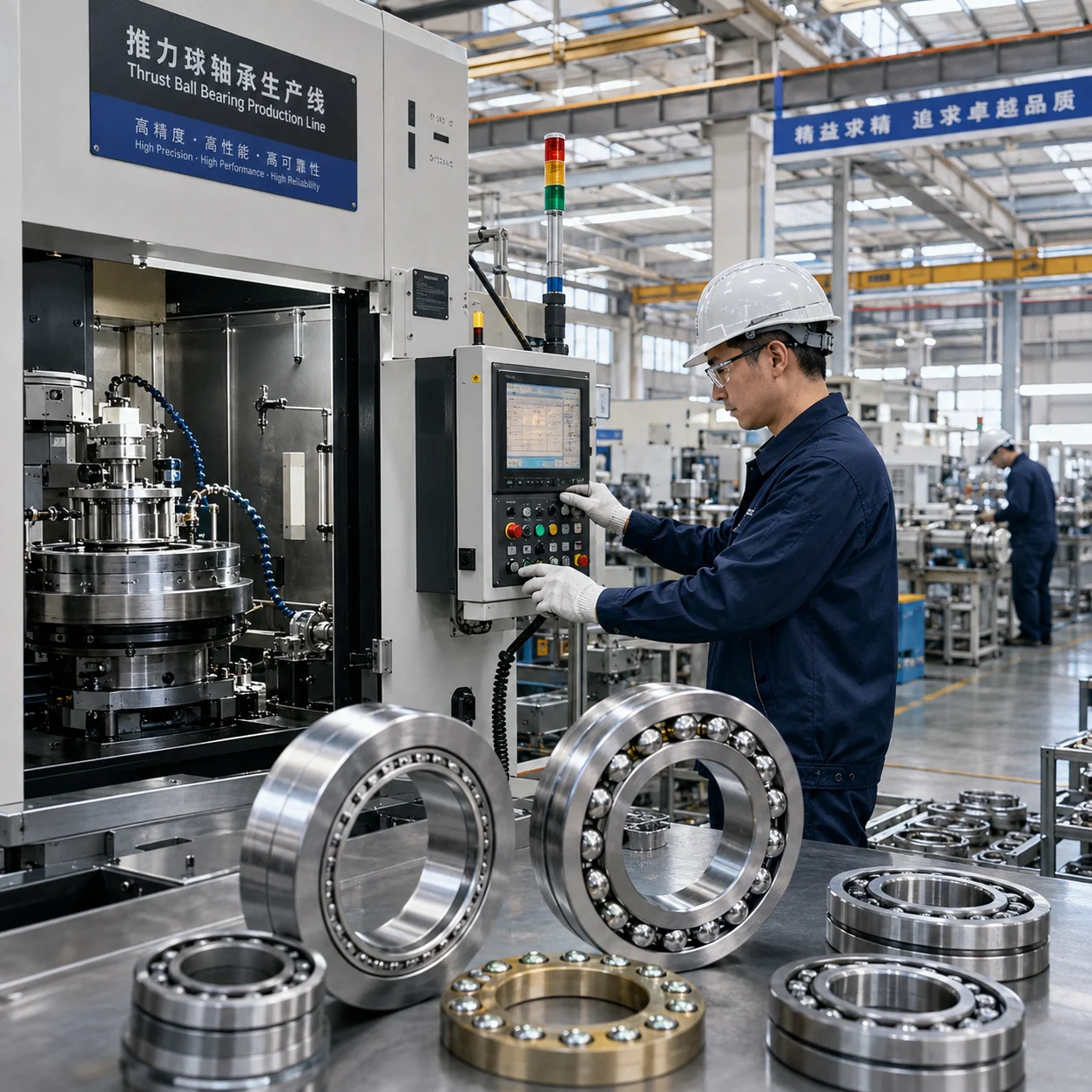
Why Source Thrust Ball Bearings from JN Bearings?
Factory Direct Bearings
Our physical manufacturing base in Jinan, Shandong cuts out middlemen. Get competitive OEM pricing directly from a premier bearings factory in China.
Exclusive Ball Bearing Focus
We specialize exclusively in ball bearings. This relentless focus yields superior raceway precision, refined manufacturing processes, and better performance under heavy axial loads.
Global Supply Chain
Efficient export logistics and robust inventory management ensure fast responses to global bulk orders, keeping your assembly lines moving.
Certified Quality Assurance
Backed by an ISO quality management system. Every thrust bearing undergoes strict full inspection for dimensions, clearance, and material integrity before shipping.
Frequently Asked Questions About Precision Thrust Ball Bearings
Find detailed technical answers regarding axial load capacities, minimum loads, installation best practices, and custom manufacturing solutions from the experts at JN Bearings. For more general FAQ support, visit our about page to learn more about the team behind our engineering guidance.
No. Thrust ball bearings are engineered exclusively to handle pure axial loads. They cannot support any radial loads (forces acting perpendicular to the shaft).
Because they consist of flat shaft and housing washers, any radial force will cause the rolling elements to misalign, leading to severe wear, increased friction, and rapid bearing failure. They must be used in conjunction with radial bearings to properly locate the shaft.
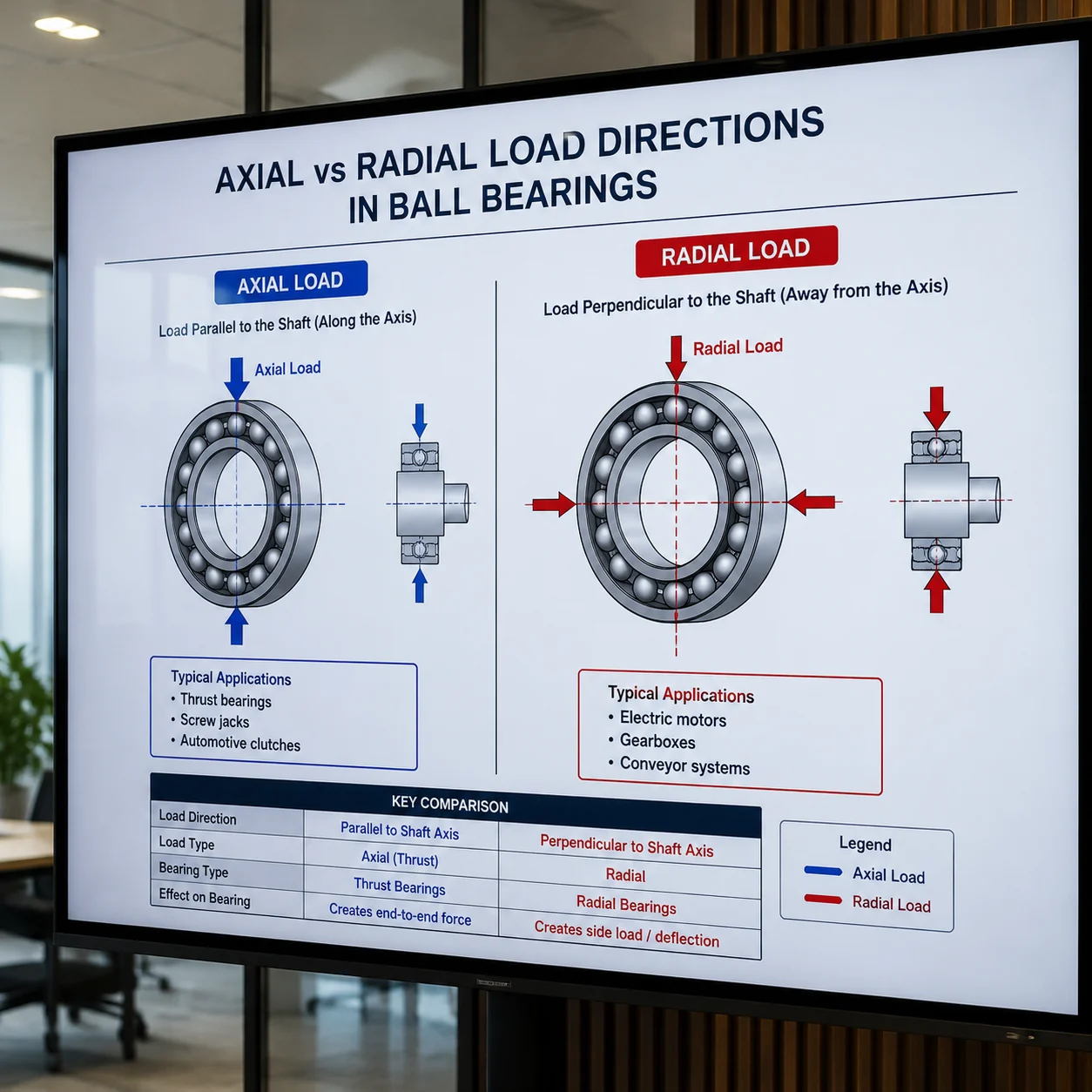
If your application requires handling both axial and radial forces, consider these alternatives:
- Angular Contact Ball Bearings: Ideal for simultaneous radial and axial loads in high-speed applications.
- Combined Bearing Configurations: Using a deep groove ball bearing or cylindrical roller bearing for radial support alongside a precision thrust bearing for axial loads.
Our engineering team at JN Bearings is always ready to answer your technical questions and help you select the optimal bearing configuration for combined load scenarios.
The primary difference lies in their structural components and their capacity to manage axial loads from one or both directions.
| Specification | Single Direction Thrust Bearings | Double Direction Thrust Bearings |
|---|---|---|
| Axial Load Capacity | Accommodates axial loads in one direction | Accommodates axial loads in both directions |
| Components | One shaft washer, one housing washer, one cage/ball assembly | One central shaft washer, two housing washers, two cage/ball assemblies |
| Shaft Positioning | Locates the shaft axially in one direction | Locates the shaft axially in both directions |
| Common Series | 51100, 51200, 51300 series | 52200, 52300, 52400 series |
| Applications | Jacks, crane hooks, fluid pumps | Machine tools, heavy-duty gearboxes |
Crucial Installation Guide
- Washer Identification: The shaft washer has a slightly smaller bore diameter than the housing washer to ensure a tight interference fit on the shaft.
- Double Direction Assembly: The central washer must be securely clamped against a shaft shoulder or sleeve to prevent rotation during bidirectional load changes.
- Reversing Washers: Incorrectly placing the housing washer on the shaft will cause immediate friction and shaft galling.
To guarantee optimal performance, thrust ball bearings must be subjected to a continuous minimum axial load. This prevents sliding friction and ensures reliable rotation.
The Mechanics of Minimum Load
During high-speed operation, centrifugal forces and gyroscopic moments act on the steel balls. If the axial load is too low, the balls can skid across the flat raceways instead of rolling. This sliding motion breaks down the lubrication film, causing smearing, excessive heat, and premature wear.
Standard Calculation
Generally, the applied minimum load must be greater than or equal to 0.02 x C₀ (where C₀ is the basic static load rating). Applications involving rapid acceleration or high speeds may require even higher minimum loads to maintain proper ball-to-raceway traction.
Solutions for Low-Load Applications
- Spring Preloading: Applying an artificial axial load using wave springs, Belleville washers, or coil springs ensures constant minimum pressure.
- Proper Sizing: Avoid over-specifying bearing size. A smaller bearing with a lower C₀ rating can operate safely at lower axial loads.
- Speed Management: Reducing rotational speeds minimizes centrifugal forces, thereby lowering the required minimum load threshold.
Yes. JN Bearings is an established manufacturer providing comprehensive OEM and ODM solutions. When standard ISO dimension catalogs do not meet your specific machinery requirements, we design and produce custom thrust ball bearings tailored to your exact specifications.
Customization Capabilities
Dimensional Modifications
Custom inner diameters (d), outer diameters (D), and height profiles (T).
Cage Materials
Options include standard stamped steel, machined brass cages, or high-performance polymers.
Material & Coatings
High-quality Gcr15 bearing steel with optional anti-corrosion surface treatments.
Tolerance Grades
Upgraded precision tolerances (P6, P5) for applications demanding minimal runout.
Special Lubrication
Pre-packed with extreme-temperature or food-grade greases based on environmental needs.
Private Labeling
Custom laser engraving and OEM-branded packaging for wholesale distributors.
OEM Order Information
We offer flexible MOQs for factory-direct customization:
- Minor Modifications: Lower MOQs are available for non-standard precision grades or specific greasing requests.
- Fully Custom Designs: New tooling and prototype samples can be arranged efficiently, with volume-based MOQs ensuring competitive unit pricing.
Share your technical drawings and operating parameters with JN Bearings. Our dedicated engineers will provide comprehensive sizing guidance and rapid prototyping options.
JN Bearings produces precision thrust ball bearings that conform to rigorous ISO dimensional and running tolerance standards, ensuring smooth operation across various industrial applications.
| Tolerance Class | Characteristics | Ideal Application |
|---|---|---|
| P0 (Normal Class) | Standard manufacturing tolerances for general use | Conveyors, standard gearboxes, heavy lifting jacks |
| P6 | Tighter tolerances for improved running accuracy | Automotive clutches, mid-speed industrial motors |
| P5 | High precision, minimal axial runout | Precision machine tools, rotary indexing tables |
| P4 | Ultra-precision for demanding environments | High-speed CNC spindles, advanced robotics |
For most wholesale ball bearing orders intended for standard industrial machinery, the P0 grade offers excellent reliability and cost-effectiveness. When upgrading to P6 or P5 precision thrust bearings, clients benefit from significantly reduced vibration and superior positioning accuracy.
When specifying your order, our engineers will help you match the appropriate tolerance class with proper housing fits to maximize the operational lifespan of the bearing assembly.
Proper lubrication prevents metal-to-metal contact between the steel balls and the flat raceways, drastically extending the life of thrust ball bearings under heavy axial loads. Because centrifugal forces tend to push lubricant outward, regular maintenance is essential.
Grease vs. Oil Lubrication
- Grease Lubrication: Suitable for low to moderate speed limits. We recommend filling approximately 30% to 50% of the free space inside the bearing with a high-quality lithium-based grease to prevent overheating from churning.
- Oil Lubrication: Mandatory for high-speed operation or extreme load conditions. Oil bath, circulating oil, or oil mist systems are highly effective at dissipating frictional heat and maintaining a constant hydrodynamic film.
- Contamination Control: The open design of standard thrust ball bearings makes them susceptible to dust and moisture. Ensure appropriate housing seals (such as labyrinth or contact seals) are used in dirty environments.
When sourcing bulk bearing supplies from JN Bearings, request our detailed technical data sheets for precise speed limits and lubrication recommendations tailored to your specific Gcr15 bearing steel products.
Ready to Upgrade Your Axial Load Solutions?
Contact the JN Bearings technical sales team to request wholesale pricing, customized CAD drawings, or expert assistance with thrust bearing dimensions and load ratings.
Ready to Upgrade Your Axial Load Solutions?
Contact JN Bearings to request bulk wholesale discounts, custom engineering drawings, or OEM samples. Our technical sales team will provide a comprehensive quote within 24 hours.
Request a Direct Factory Quote
Your privacy is important to us. We will only use your details to process this inquiry.
Connect with Our Bearing Experts
WhatsApp / Phone
+86 13954091520
Available for immediate assistance
Email
sales@jnbearings.com
Detailed technical responses within 24h
Manufacturing Facility
JN Bearings Co., Ltd.
Jinan, Shandong Province, China
100%
Quality Inspection
20+
Years Manufacturing
P0-P5
Precision Tolerance
ISO
9001 Certified Factory